
Drug Pricing Reforms Urged to Tackle Affordability Crisis
Experts Propose Distribution Simplification and Stricter Enforcement
Authorities are being urged to implement stricter controls on drug pricing and simplify distribution channels to make essential medicines more affordable for the public.
Examining the Pharmaceutical Supply Chain
The cost of identical medications can vary significantly between pharmacies, a phenomenon attributed to a complex distribution network, according to Windhu of Airlangga University. Some pharmacies may offer lower prices by sourcing directly from manufacturers, while others face higher costs due to multiple intermediaries.
“A pharmacy will just inflate the price because they are the only ones in town and the nearest competitors are kilometres away,” Windhu noted.
Government Role in Price Control
While the government sets annual price caps for specific generic drugs, experts claim these regulations are seldom enforced. Implementing a ceiling on drug costs could compel the industry to streamline its supply chain and curb monopolistic or unethical practices, Windhu stated.
“It is no secret that pharmaceutical companies like to provide junkets, lavish events, gifts and even kickbacks to get doctors to prescribe their products, and these costs are ultimately borne by the consumers,” he added. “It’s time the government gets serious about putting a ceiling on how much drugs should be sold, so companies will think twice about these types of practices.”
Military Logistics as a Solution
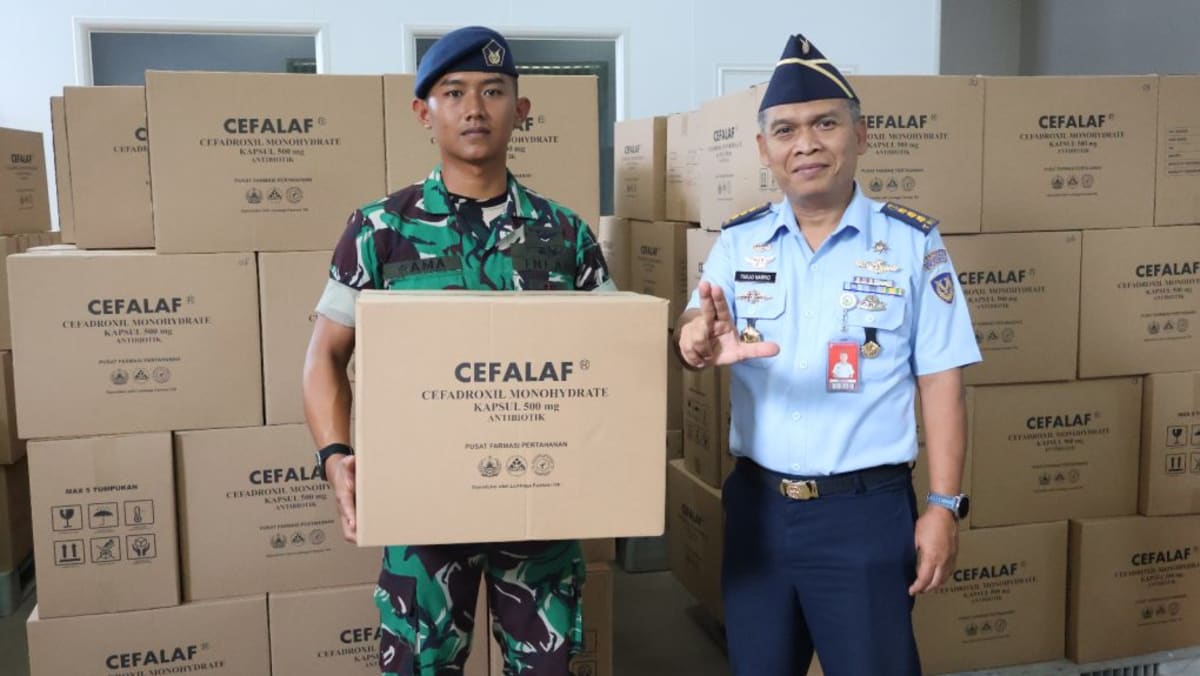
Despite calls for reform, the military’s logistical capabilities are recognized as a potential asset for bolstering Indonesia’s pharmaceutical sector. The Indonesian Armed Forces, with their extensive network, disciplined personnel, and reach into remote areas, could address the persistent challenge of medicine distribution.
“The military is well equipped to handle distribution to all areas, even the most remote ones. That’s different from the private sector which just doesn’t have that kind of infrastructure,” Windhu explained.
In 2022, the World Health Organization reported that out-of-pocket healthcare spending in Indonesia remained a significant burden, highlighting the need for systemic improvements in medicine accessibility and affordability (WHO).
