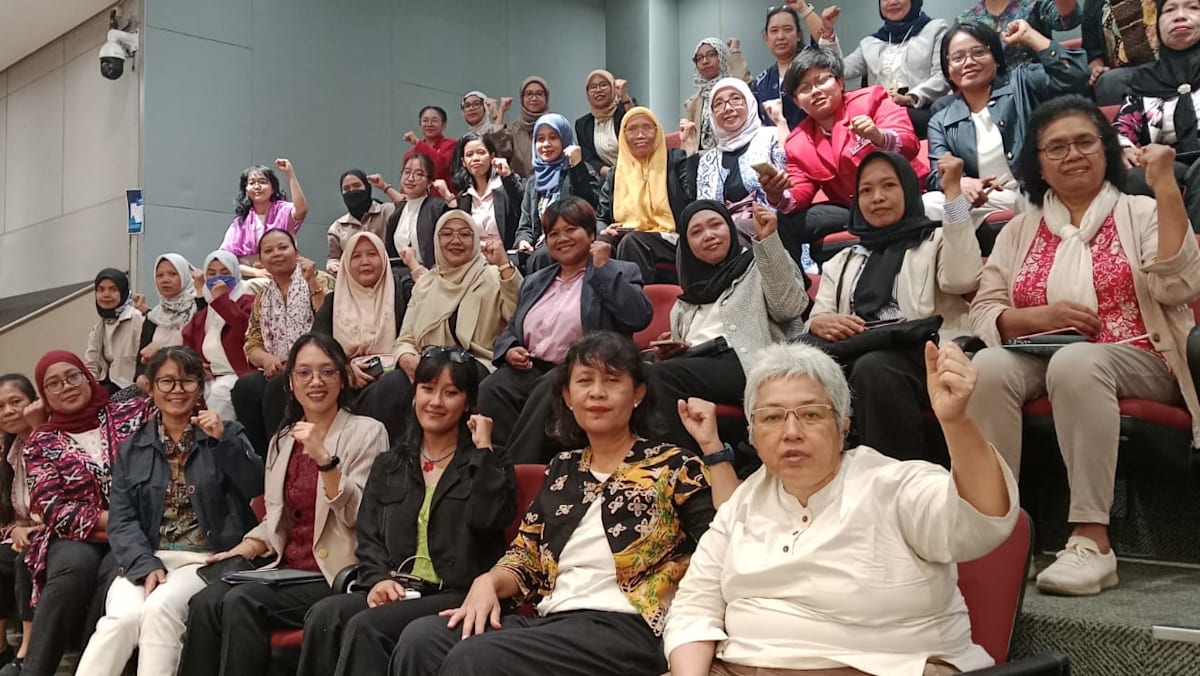
Indonesia’s Historic Domestic Worker Protection Law: Hope and Lingering Concerns
Indonesia’s 280 million people have long relied on an invisible workforce: over 6 million domestic workers—mostly women—who clean homes, care for children, and cook meals while earning poverty-level wages. On May 18, 2026, President Prabowo Subianto signed into law a landmark Domestic Worker Protection Act, granting these workers minimum wage guarantees, mandatory contracts, and legal recourse against abuse. Yet even as activists call it a “dream come true,” implementation gaps, employer resistance, and regional disparities threaten to undermine its promise. The law’s success hinges on whether Indonesia’s sprawling archipelago—from Jakarta’s high-rise apartments to rural villages—can enforce its protections before exploitation becomes entrenched again.
Why This Law Matters: A Decades-Long Fight for Basic Rights
Domestic work in Indonesia has long operated in a legal gray zone. Before 2026, workers—many of them migrant women from Papua or East Nusa Tenggara—had no labor contracts, no overtime pay, and no protection from physical or sexual abuse. The new law, drafted after years of advocacy by groups like Indonesian Domestic Worker Union (IKAP), aims to change that. But the devil is in the details: enforcement will require coordination across 38 provinces, each with its own labor bureau and cultural norms.
“This law is a victory, but the real battle starts now. Without local labor inspectors, without community education, and without employer buy-in, these protections will remain paper promises.”
The Problem: A Patchwork of Challenges
The law’s passage is historic, but its effectiveness depends on three critical factors:

- Regional Enforcement Gaps: In Jakarta, where 1 in 5 households employs domestic workers, municipal labor offices are already overwhelmed. Smaller cities like Surabaya or Medan lack the infrastructure to monitor compliance.
- Employer Pushback: Wealthy families and corporate households—who employ over 40% of domestic workers—have historically resisted labor regulations. Some are already lobbying for exemptions.
- Migrant Worker Vulnerabilities: Over 1 million domestic workers are internal migrants, often exploited by recruitment agencies that charge fees equivalent to months of wages. The law bans such fees, but enforcement in remote provinces is nonexistent.
Where the Law Fails: Data Shows a Fragile Foundation
| Metric | 2023 (Pre-Law) | 2026 (Projected Post-Law) | Key Challenge |
|---|---|---|---|
| Workers with written contracts | <10% | Target: 60% | Employer resistance in urban centers like Bandung and Yogyakarta |
| Reported abuse cases (annual) | ~12,000 | Target: 30,000+ (with new reporting mechanisms) | Underreporting in rural areas due to stigma |
| Minimum wage compliance | ~20% of workers paid below legal minimum | Target: 90% compliance | Regional wage disparities (e.g., Bali’s IDR 4.5M/month vs. Papua’s IDR 2.8M) |
Who’s Left Behind? The Plight of Internal Migrants
While Jakarta’s middle class celebrates the law, workers in Papua and East Nusa Tenggara face a different reality. Many are lured to cities with false promises of jobs, only to end up in debt bondage. The law’s Article 12 bans recruitment fees, but in Manado and Makassar, agencies continue charging up to 3 months’ wages—a violation that local police rarely investigate.
“We signed contracts in my village, but when we arrived in Jakarta, they took our passports and said we owed them money. The law says this is illegal, but who will believe us?”
The Solution: Who’s Stepping Up?
With enforcement a Herculean task, three types of organizations are critical to making the law work:
- Labor Inspection Agencies: Indonesia’s Ministry of Manpower will need to triple its inspector workforce. Municipalities like Surabaya are already partnering with specialized labor law firms to train inspectors in contract enforcement.
- Community-Based Legal Aid: Groups like Legal Aid Foundation (LSM) are setting up hotlines in regional languages. Workers in Bali can now call a 24/7 helpline staffed by Javanese and Sasak speakers.
- Employer Accountability Networks: The corporate social responsibility (CSR) sector is under pressure. Companies like Unilever Indonesia are now auditing their supplier chains to ensure domestic workers in their contracted homes receive fair treatment.
A Warning from History: When Laws Fail
Indonesia’s 2013 Domestic Worker Regulation was hailed as groundbreaking—until it was gutted by regional exemptions. In 2020, only 15% of workers reported having contracts, and abuse cases surged during the pandemic as employers blamed workers for COVID-19 outbreaks. The 2026 law includes stronger penalties, but without political will, history will repeat itself.
President Prabowo’s administration has pledged IDR 1.2 trillion ($80 million) to fund enforcement, but critics warn the money will disappear into bureaucratic black holes unless local governments act. In Aceh, where Sharia law complicates labor rights, activists are already preparing legal challenges.
The Road Ahead: What’s Next?
By 2027, Indonesia’s labor ministry will release its first enforcement report. The questions looming are:
- Will Jakarta’s high-profile cases deter abuses in rural Java?
- Can the government shut down corrupt recruitment agencies before the next wave of migrants arrives?
- Will employers accept that fair wages mean higher costs—or will they push for exemptions?
The 2026 law is a beacon, but beacons don’t light the way alone. Workers need grassroots advocacy groups to hold employers accountable, labor attorneys to navigate legal loopholes, and local labor offices with the resources to act. The dream of protection is here—but the work of making it real has only just begun.
In a country where 87% of the population is Muslim and family structures are deeply traditional, changing attitudes toward domestic workers won’t happen overnight. But as Dr. Wijaya warns, “The law is a tool. Whether it becomes a weapon against exploitation or a relic of good intentions depends on who wields it—and how hard they push.”