Indonesia’s Free Meal Scandal: Corruption, Policy Failures & the Fight for Nutritional Justice
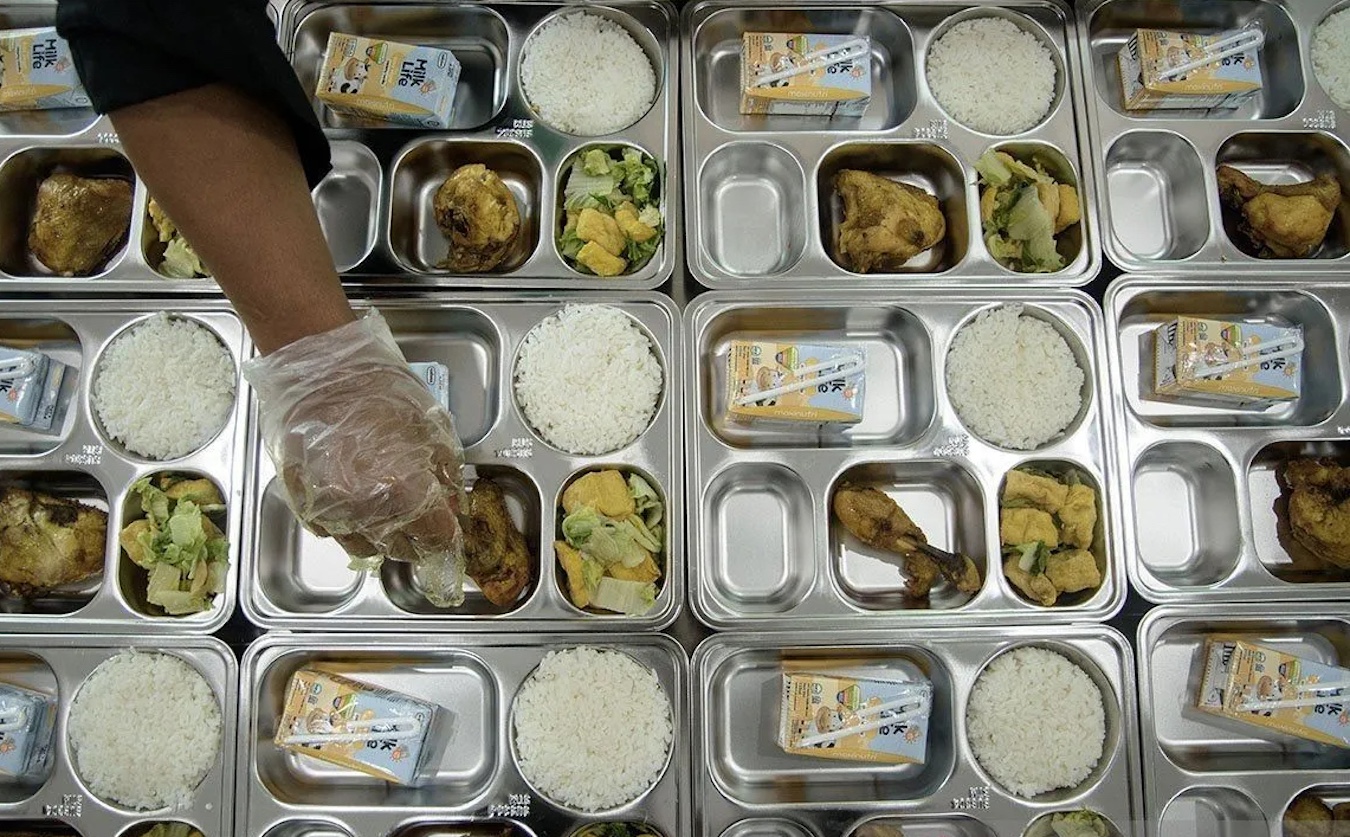
The Indonesian government’s flagship free nutritious meal program is undergoing a significant administrative restructuring following reports of mismanagement and internal criticism regarding the project’s procurement processes. President Prabowo Subianto’s administration, which prioritized the meal initiative as a cornerstone of his campaign, has shifted management responsibilities after questions emerged about the program’s oversight mechanisms and the potential for financial irregularities.
Administrative Realignment of the National Nutrition Agency
The responsibility for overseeing the free meal program has been centralized under the National Nutrition Agency (BGN), a body established to ensure the delivery of meals to school children and pregnant women. According to reports from The Jakarta Post, the government initiated a leadership reshuffle within the agency to address inefficiencies that hampered the early implementation phases of the program.

Health Minister Budi Gunadi Sadikin confirmed that the government is currently overhauling the program’s operational framework. As reported by ANTARA News, the Ministry of Health is working to integrate tighter health and safety standards into the supply chain, moving away from decentralized procurement models that previously left the program vulnerable to inconsistent quality and lack of fiscal transparency.
Allegations of Financial Irregularities
Investigative reporting by Magz TEMPO identified significant discrepancies in how the program’s funds were allocated during its pilot stages. The report, citing internal documents and field observations, described instances of "plundering" within the supply chain, where vendors allegedly inflated costs for food commodities. These findings have prompted calls for an independent audit of the agency’s expenditures to prevent further misuse of state budget allocations.
The program, often referred to as the "Servants of God" food tray project in local media, faced criticism for failing to establish clear competitive bidding processes. Magz TEMPO noted that in several regions, contracts were awarded to entities without the requisite logistical capacity, leading to delays and substandard meal quality.
Diplomatic and Supply Chain Stakes
The program’s reliance on large-scale food procurement has attracted international attention, particularly concerning the sourcing of necessary commodities. Asia Times reported that the administration’s efforts to scale the program rapidly have created pressure to secure stable, low-cost food supplies, potentially involving international partners.
Analysts cited by Asia Times suggest that the government’s urgency to meet meal targets risks creating "dirty hands," or associations with opaque procurement networks that could undermine the program’s credibility. While the administration seeks to maintain the program’s momentum, the government has yet to announce a specific timeline for the full rollout of the revised procurement guidelines. The National Nutrition Agency remains under pressure to reconcile its aggressive distribution targets with the need for transparent financial auditing.