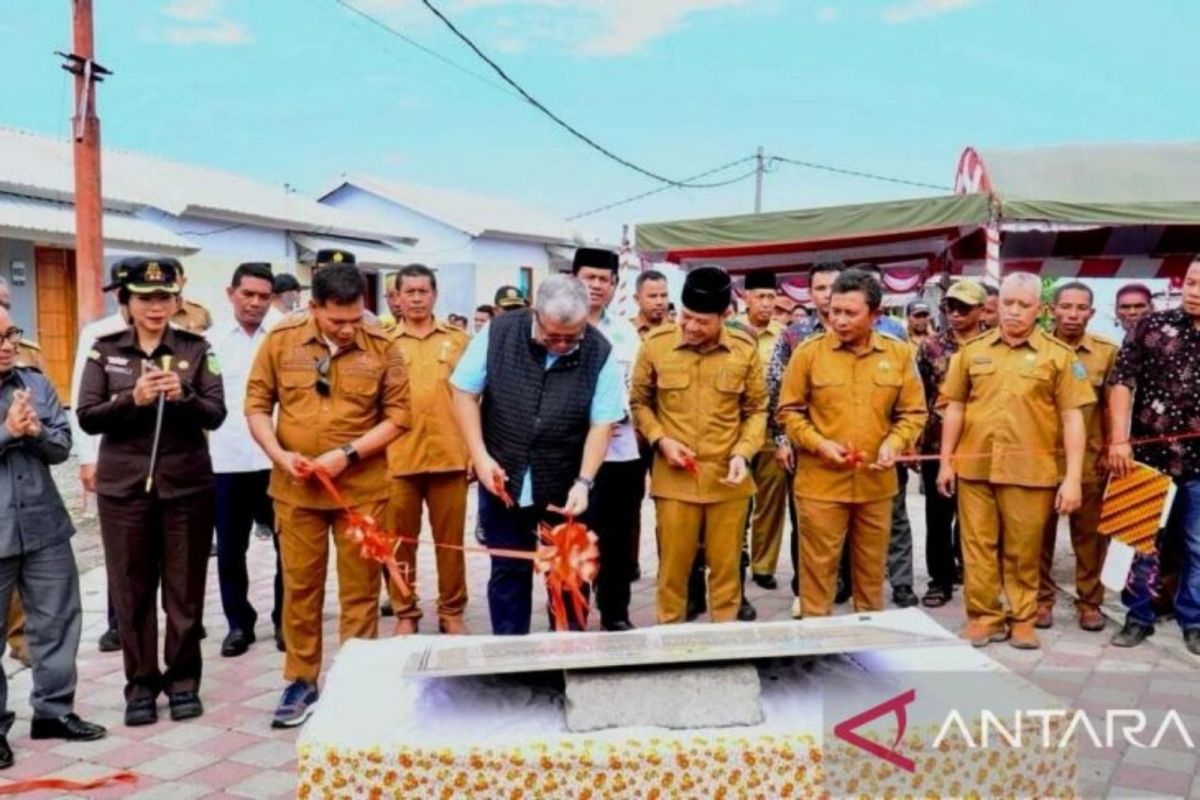
Indonesia Seeks Sustainable Development through Coastal Slum Upgrades
Indonesia’s coastal slum upgrades aim to reshape sustainable development—but critics question whether the $1.5 billion plan can deliver on promises
Indonesia’s government has launched a $1.5 billion program to upgrade coastal slums, targeting 10,000 informal settlements across Java, Sumatra, and Sulawesi by 2027, according to a statement from the Ministry of Public Works and Housing. The initiative, announced last week, marks the largest urban poverty alleviation effort in Southeast Asia since the 2016 Jakarta flood recovery program, which cost $800 million and reached just 3,200 households. Yet while officials frame the project as a “transformative leap” for climate-resilient housing, local activists and urban planners warn the timeline is overly optimistic and lacks clear funding mechanisms for long-term maintenance.
Why the project matters

The coastal slum upgrade program is part of Indonesia’s broader push to meet United Nations Sustainable Development Goal 11, which targets adequate housing and reduced inequality by 2030. With nearly 20% of Indonesia’s urban population living in informal settlements—many of which are vulnerable to rising sea levels—the government’s move comes amid growing international pressure. The World Bank, which contributed $300 million to the 2016 flood recovery effort, has not yet confirmed funding for this initiative, though a spokesperson told world-today-news.com that “dialogues are ongoing” with Jakarta.
Unlike past programs, this initiative explicitly ties housing upgrades to climate adaptation, including elevated foundations and flood-resistant materials. “We’re not just building homes; we’re building resilience,” said Dedy Dwi Priyanto, head of the Ministry of Public Works’ Urban Development Division, in a press briefing. Yet experts caution that past projects have struggled with corruption and delayed disbursements. A 2022 report by Transparency International found that 40% of Indonesia’s urban infrastructure funds were lost to mismanagement in the previous five years.

How the program compares to past efforts
The scale of this initiative dwarfs previous attempts. The 2016 Jakarta flood recovery program, often cited as a model, relocated 3,200 households at a cost of $800 million—an average of $250,000 per settlement. If the current $1.5 billion budget is evenly distributed, each of the 10,000 targeted slums would receive just $150,000, raising concerns about quality and durability. “The numbers don’t add up,” said Riri Fitri Sari, a housing rights advocate at the Jakarta-based Institute for Policy Research and Advocacy. “Even with the best intentions, $150,000 won’t build a resilient home—it’ll build a slum with a new paint job.”
Critics also point to the lack of community consultation in the planning phase. In 2019, a similar program in Surabaya was halted after residents protested the demolition of their homes without notice. This time, the government claims to have engaged local leaders, but no public hearings have been scheduled, and no detailed project maps have been released. “Transparency is the first casualty in these projects,” said Sari. “If they don’t show us where the money is going, how can we trust the outcomes?”
What happens next: Key deadlines and unresolved questions
The Ministry of Public Works has set an initial deadline of December 2024 for the first phase of upgrades, focusing on 2,500 households in high-risk zones along the northern coast of Java. However, no provincial governors have yet signed off on the allocation of funds, and construction permits remain pending in several districts. In Central Java, where 3,000 slums are targeted, local officials have expressed skepticism, citing delays in land acquisition—a process that took 18 months in the 2016 program.

Adding to the uncertainty, Indonesia’s fiscal constraints loom large. The government’s 2024 budget already allocates 20% of infrastructure spending to debt servicing, leaving little room for unplanned expenditures. “This program is ambitious, but without a clear funding pipeline, it risks becoming another broken promise,” said Arief Wismoyo, an economist at the University of Indonesia. Meanwhile, the Ministry of Finance has not yet approved the full budget request, and no international donors have publicly committed additional funds.
The next critical step will be the release of a detailed project blueprint by mid-October, which officials say will outline funding sources, construction timelines, and community engagement plans. Until then, activists and residents in targeted areas remain skeptical—particularly in light of past failures. “We’ve heard this story before,” said a resident of Cilincing, a Jakarta slum slated for upgrades. “Last time, they promised us new homes. We’re still waiting.”