Indonesia Earthquake: Thousands on Flores Island Await Aid After Deadly 7.7 Magnitude Quake
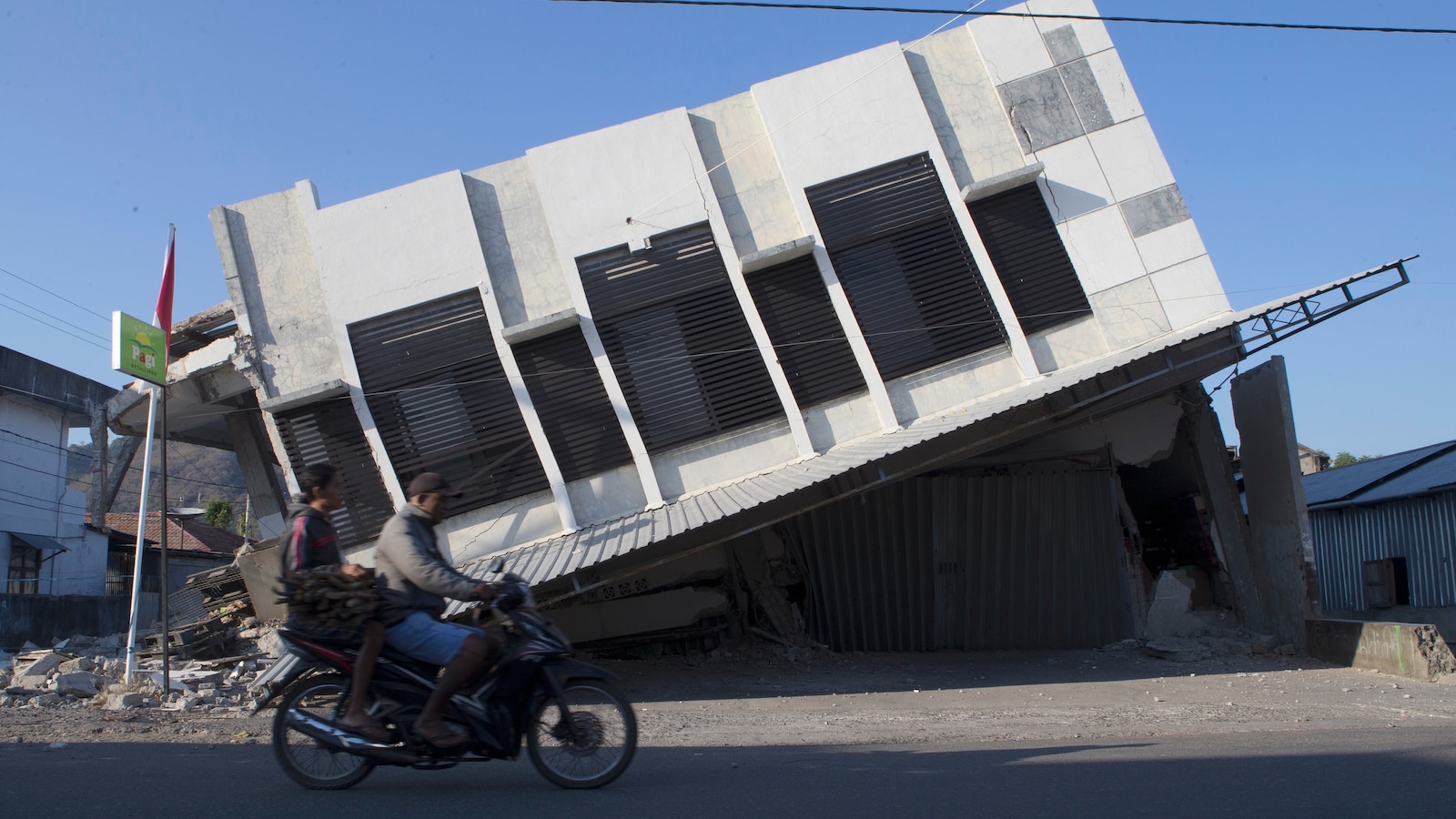
A magnitude 7.7 earthquake struck Flores Island, Indonesia, on August 15, 2026, killing at least 53 people and displacing over 12,800 residents. The disaster, which caused extensive damage to more than 1,300 homes and critical public infrastructure, occurred as the nation prepared for Independence Day celebrations on August 17.
The timing of the quake has created a stark contrast between the national festivities in Jakarta and the desperation on the ground in eastern Indonesia. While the capital celebrated with pomp and ceremony, survivors in towns like Mbay and Sikka reported a critical lag in the arrival of basic necessities. For many, the trauma is compounded by historical memory; residents cited the 1992 earthquake of the same magnitude, which triggered a tsunami and killed approximately 2,500 people, as a primary reason for their refusal to return to damaged homes.
Infrastructure Collapse and Displacement in Sikka and Maumere
The earthquake’s shallow epicenter off the north coast of Flores devastated local housing and public facilities. Berton Suar Pelita Panjaitan, spokesperson for the National Agency for Disaster Countermeasure (BNPB), confirmed that at least 914 houses were severely damaged, with hundreds more sustaining lesser cracks. The damage extended to government offices, health facilities, and schools.
In the Sikka region, more than 3,300 people self-evacuated to sports arenas or makeshift tents. Abdul Mutas, a 63-year-old resident, told Reuters that his family slept on a tarp among trees after fleeing rising tides. This pattern of displacement is widespread; by Monday morning, August 17, the number of people unable to return home reached 12,800 across several towns on the island, according to the BNPB.
The regional economy has faced immediate paralysis. State energy firm Pertamina reported that 20 petrol stations were knocked offline due to power outages. Furthermore, landslides blocked key access roads into Maumere, hindering early rescue efforts. With municipal buildings and power grids compromised, the East Nusa Tenggara government is considering declaring a formal state of emergency to unlock dedicated funding and resources, as reported by the BNPB.
Rebuilding this level of devastation requires more than just immediate aid.
The Logistics Gap: Airlifts vs. Ground Reality
Survivors have expressed significant frustration over the speed of government intervention. Junaidin, a resident of Mbay currently sheltering in a tent with 30 other people, told Euronews that there had been no tents, medicine, food, or drinking water provided to his community. “Please open your eyes, government,” Junaidin said. “We are your people.”

The Indonesian government has responded with a military-led logistics operation. The Indonesian Air Force deployed two Hercules transport planes and one Boeing aircraft to deliver 13 tonnes of emergency aid, including medical equipment, clean water, and food, according to the Antara state news agency. Helicopters are being used to reach isolated communities where roads remain blocked by landslides.
Despite these efforts, the scale of the need remains high. The following table outlines the reported impact as of August 17, 2026:
| Metric | Reported Figure | Source |
|---|---|---|
| Fatalities | 53 | BNPB / Euronews |
| Injuries | 100+ | The Hindu |
| Displaced Persons | 12,800 | BNPB |
| Damaged Homes | 1,300+ | BNPB |
| Aftershocks | 341 (initial hours) | BNPB |
The NGO Save the Children reported that over 8,000 children are currently facing safety risks and significant disruptions to their education. Many are sleeping in overcrowded schools or police stations, while others remain in the open air.

The psychological toll is equally severe. Nurhidayati, a 55-year-old survivor, told AFP that she remained terrified to go home due to the memory of the 1992 disaster.
Search and rescue official Fathur Rahman told AFP that while there are no official reports of missing persons, land and air operations continue to scour the area to ensure no victims remain trapped under rubble.
The ongoing instability of the region, marked by hundreds of aftershocks, suggests that the recovery phase will be protracted. For a province already struggling with infrastructure gaps, the cost of rebuilding to seismic-resistant standards will be immense. This transition from emergency relief to urban reconstruction will require expertise to ensure that the new Sikka and Maumere are not built on the same vulnerabilities that led to this week’s tragedy.
As Indonesia celebrates its independence, the residents of Flores remain in a state of dependency, waiting for the promises of government aid to materialize into tangible relief. The gap between the ceremony in Jakarta and the tarp-covered hills of Flores serves as a stark reminder of the logistical challenges inherent in managing a disaster across an archipelago of thousands of islands.