
Indonesian Minister Accuses Bottled Water Industry of Unsustainable Groundwater Use, Warns of Long-Term Environmental Damage
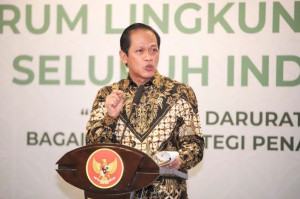
Jakarta, Indonesia – October 30, 2025 - Indonesia’s Minister of Environment, Hanif Faisol Nurofiq, delivered a sharp rebuke to the bottled water industry today, accusing companies of dangerously overexploiting the nation’s groundwater resources. The Minister warned that current practices pose a severe adn lasting threat to the environment, despite marketing claims to the contrary.
Speaking on Wednesday, October 29th, Minister Nurofiq challenged the widespread perception that bottled water originates from pristine mountain springs. “Despite many brands claiming their products come from ‘mountain springs,’ nearly all bottled water in Indonesia still relies on groundwater extraction,” he stated. He urged consumers to be skeptical of packaging and advertising that suggests a natural surface water source.
“There isn’t a single bottled water company in Indonesia that truly uses surface water sustainably,” Nurofiq asserted, extending his criticism to international brands operating within the country.”Name any international bottled water company operating here – they all still use groundwater.”
The core of the Minister’s concern lies in the slow rate of groundwater replenishment. He explained that depleted aquifers can take decades, even centuries, to recover, making large-scale extraction inherently unsustainable. He expressed disappointment with current corporate conservation efforts, characterizing them as largely symbolic.
“Groundwater doesn’t come back,” nurofiq emphasized,painting a stark picture of the potential consequences. “Even if we died 50 times over, the groundwater wouldn’t reach Jakarta again.”
Minister Nurofiq concluded by calling on bottled water companies to prioritize sustainable water management and conservation, integrating these practices into their core business strategies. He stressed the obligation of companies reliant on natural resources to ensure their long-term viability and minimize environmental impact.
