Indonesia and Russia Strengthen Cooperation in Energy and Trade
Russian energy corporations are scheduled to resume operations at Indonesia’s Tuna Block in June 2026. This strategic move, coordinated by the Indonesian Ministry of Energy and Mineral Resources, aims to accelerate domestic gas production and marks a significant expansion of bilateral energy and technology cooperation between Jakarta and Moscow.
The decision to restart work on the Tuna Block represents more than a simple resumption of industrial activity; It’s a cornerstone of Indonesia’s broader strategy to secure energy sovereignty. As the nation seeks to stabilize its domestic energy supply and manage the transition toward more complex energy architectures, the involvement of Russian firms provides a critical pathway for both immediate extraction and long-term technological advancement. This development comes at a pivotal moment when Indonesia is actively diversifying its international trade partnerships to include not only traditional commodities but also high-tech energy solutions.
The Tuna Block Resumption: A Catalyst for Energy Security
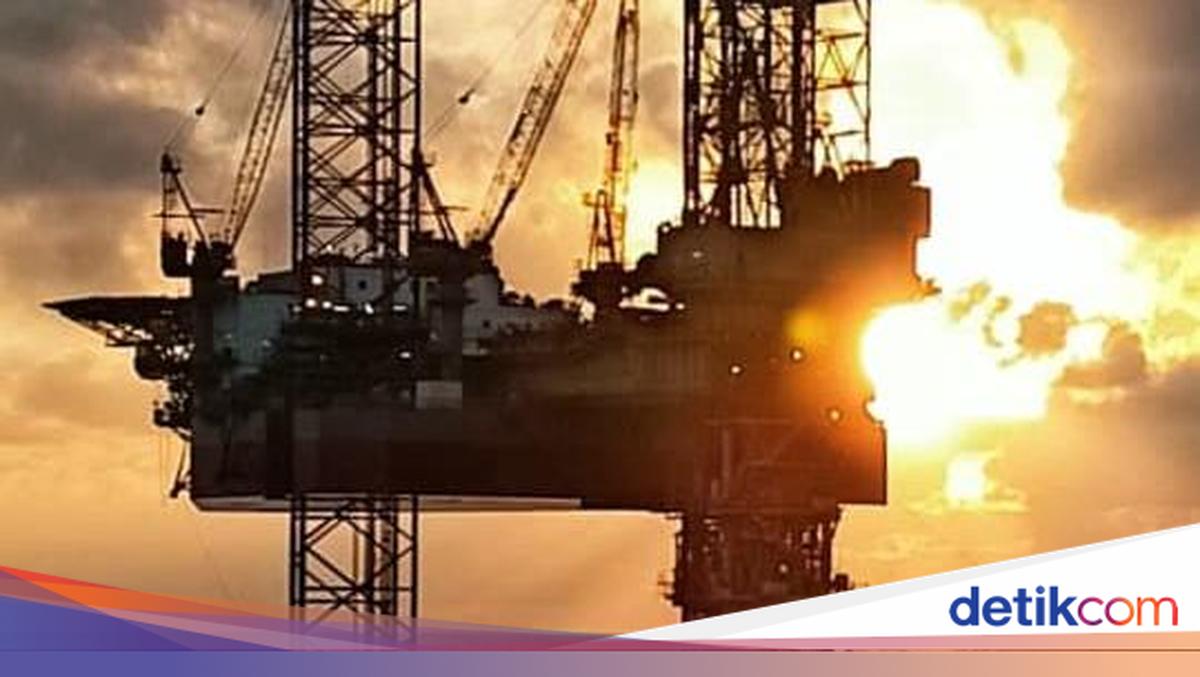
Following recent deliberations within the Indonesian Ministry of Energy and Mineral Resources, it has been confirmed that Russian entities will officially continue their development of the Tuna Block starting next month. The project, situated in critical offshore waters, is expected to play a vital role in the national gas supply chain. The resumption of these works is intended to mitigate long-term supply volatility and provide the necessary feedstock for domestic industrial growth.

This energy push is not an isolated event but part of a multi-sectoral approach to strengthening the Indonesia-Russia relationship. The scope of this cooperation has expanded rapidly, moving from simple trade into deep-tech industrial integration. To understand the scale of this shift, one must look at the diverse sectors currently being negotiated under the umbrella of bilateral cooperation.

| Sector of Cooperation | Primary Objective | Key Development Area |
|---|---|---|
| Oil & Gas | Resource Extraction | Resumption of Tuna Block operations (June 2026) |
| Nuclear Energy | Long-term Power Stability | Development of Small Modular Reactors (SMRs) |
| Commodity Trade | Market Diversification | Expansion of coffee and fertilizer exports |
The technical complexities inherent in offshore gas extraction, particularly in the Tuna Block, require a sophisticated ecosystem of support. As these projects scale, the demand for specialized offshore drilling and subsea engineering consultants will likely intensify to ensure operational safety and environmental compliance in Indonesian waters.
Beyond Fossil Fuels: The Shift Toward Small Modular Reactors
Perhaps the most transformative aspect of the current Indonesia-Russia energy dialogue is the move toward nuclear technology. Recent high-level meetings have moved beyond the immediate needs of oil and gas to discuss the implementation of Small Modular Reactors (SMRs). Unlike traditional, massive nuclear power plants, SMRs offer a more flexible and scalable solution for Indonesia’s unique archipelagic geography, where centralized power grids are often difficult to maintain.
The integration of modular nuclear technology could fundamentally alter the energy landscape of the region, providing a consistent, low-carbon baseline of power that complements intermittent renewable sources. This transition requires not only technical expertise but also a robust legal framework to manage the complexities of nuclear proliferation, safety standards, and international maritime law.
“The move toward modular nuclear technology suggests that Indonesia is no longer just looking for immediate fuel; we are looking for a permanent architecture for energy independence that can scale with our growing industrial needs.”
For legal entities and government agencies, navigating the regulatory hurdles of nuclear adoption is a massive undertaking. Organizations involved in these transitions are increasingly seeking the counsel of international maritime and energy law specialists to manage the intricate treaties and safety protocols required by international oversight bodies.
Economic Diversification and the Commodity Bridge
While energy remains the primary driver, the relationship is being bolstered by a strategic “commodity bridge.” Recent diplomatic efforts have seen Indonesian officials traveling to Russia to aggressively promote the export of Indonesian coffee and fertilizers. This holistic approach ensures that the economic relationship is not one-dimensional, creating a balanced trade profile that protects both nations from sector-specific market shocks.

Data indicates that trade between the two nations has already seen a significant upward trajectory. This momentum is being leveraged to ensure that as energy projects like the Tuna Block come online, the broader economic ecosystem—including agriculture and manufacturing—benefits from increased bilateral liquidity and streamlined customs processes.
The logistical demands of moving massive quantities of fertilizer and coffee, alongside the specialized equipment required for the Tuna Block, necessitate highly efficient supply chains. Businesses operating in this corridor are increasingly relying on global energy and commodity logistics providers to manage the heightened complexity of these cross-border movements.
As the June deadline for the Tuna Block approaches, the eyes of the international energy market remain fixed on Indonesia. The success of this project will serve as a litmus test for how archipelagic nations can successfully integrate foreign technical expertise with national strategic interests to build a resilient, multi-faceted energy future.
The intersection of offshore gas, modular nuclear technology, and commodity trade marks a new era of industrial diplomacy. For professionals and stakeholders navigating this shifting landscape, the ability to anticipate these multi-sectoral shifts is the difference between being a spectator and a leader in the new global energy economy. To stay ahead of these developments, ensure you are connected with the verified experts and service providers listed in our Global Professional Directory.