
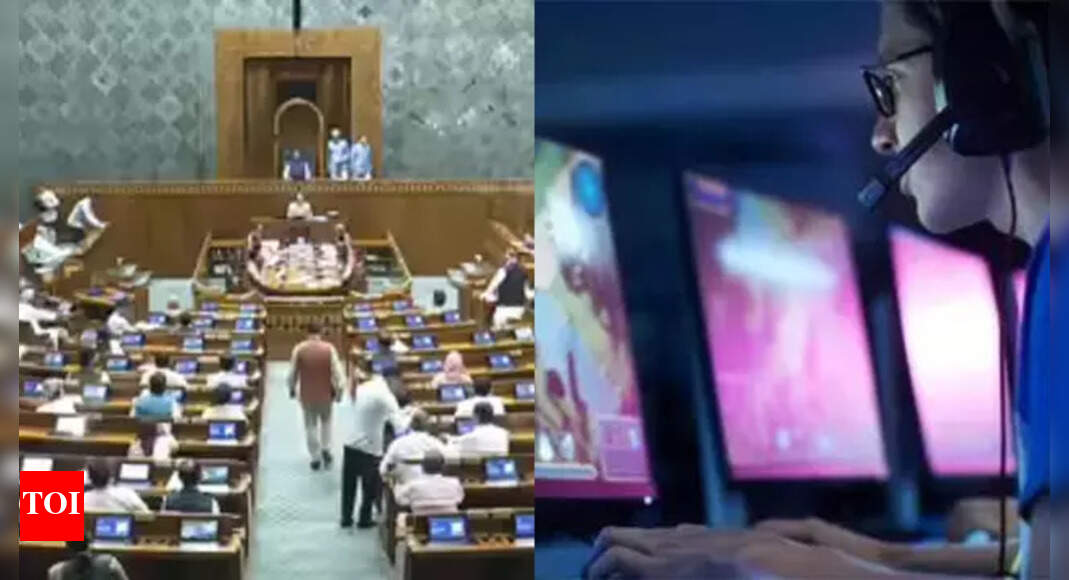
India Passes Landmark Online Gaming Bill, Regulating Real Money Games and Boosting Esports
Table of Contents
New Delhi - In a notable move poised to reshape India’s rapidly expanding gaming landscape, the Lok Sabha passed the Promotion and Regulation of Online Gaming Bill, 2025, on Wednesday. The legislation, met with both celebration and concern, aims to establish a regulatory framework for the online gaming sector, differentiating between esports, educational games, social gaming, and real money gaming.
A Divided Response to New Regulations
The bill’s passage followed a day of protests from opposition members, yet it marks a pivotal moment for one of India’s fastest-growing industries.While the esports community largely welcomes the move, the real money gaming market anticipates substantial disruption. The legislation proposes the creation of a central regulatory body to oversee all four gaming segments.
Key Provisions of the Bill
The core of the bill centers around prohibitions related to real money gaming. Specifically, the legislation states that no individual or entity shall offer, aid, or induce participation in online money games or services. Furthermore, financial institutions are prohibited from processing transactions related to these platforms. The proliferation of online money games…offering monetary returns against user deposits has led to serious social, financial, psychological and public health harms, especially among young individuals and economically disadvantaged groups,
the government stated in its defense of the bill.
Violators face severe penalties, including imprisonment of up to three years and fines reaching Rs 1 crore for service providers. Advertising such platforms could result in a two-year jail term or fines of Rs 50 lakh. This stringent approach reflects growing concerns about the potential harms associated with real money gaming.
Did You Know? The indian online gaming industry is estimated to be worth over $2.8 billion, with projections indicating substantial growth in the coming years.
Impact on Indian Sport and Sponsorships
The bill is expected to significantly impact the sports sector, particularly cricket, which has benefited from substantial sponsorships from real money gaming companies. Dream11, the Indian national cricket team’s sponsor, currently contributes approximately Rs 358 crore, while My11Circle holds the IPL fantasy rights for Rs 625 crore over five years. Numerous cricketers also have personal endorsement deals with these companies.
Sports lawyer Vidushpat Singhania noted that while sponsorship for Indian cricket itself is unlikely to diminish, the market for individual endorsements may shrink. He also suggested that fantasy sports apps might transition to subscription-based models, potentially leading to reduced revenues.
Financial Implications: A Snapshot
| Sponsorship | Value (INR Crore) |
|---|---|
| Dream11 (Team India Sponsor) | 358 |
| My11Circle (IPL Fantasy Rights) | 625 (over 5 years) |
A Boost for the Esports Industry
In contrast to the concerns surrounding real money gaming, the esports community views the bill as a positive development. Akshat Rathee, Co-founder and MD of NODWIN Gaming, stated that the government’s intention to recognize and promote esports is an encouraging step towards building a structured and globally competitive ecosystem.
with esports set to debut at the 2027 Olympics, the bill could provide the sector with much-needed legitimacy.
Pro Tip: Understanding the nuances of this bill is crucial for anyone involved in the Indian gaming industry, from developers to investors.
What are your thoughts on the new regulations? Do you believe thay will foster a healthier gaming habitat, or will they stifle innovation and growth?
The Evolving Landscape of Online Gaming Regulation
The regulation of online gaming is a global trend, with countries worldwide grappling with the challenges of balancing innovation, consumer protection, and revenue generation. India’s approach,while stringent in its treatment of real money gaming,aligns with a growing international consensus on the need for greater oversight. the long-term impact of this bill will depend on the effectiveness of the regulatory body and its ability to adapt to the rapidly evolving gaming landscape.
Frequently Asked Questions About the Online Gaming Bill
- What is the primary goal of the Online Gaming Bill, 2025? The bill aims to promote and regulate the online gaming sector, with a particular focus on addressing the harms associated with real money gaming.
- How will the bill affect real money gaming platforms? The bill prohibits offering, aiding, or inducing participation in online money games and bans financial institutions from processing transactions for these platforms.
- What are the penalties for violating the bill’s provisions? Service providers could face up to three years’ imprisonment or fines of up to Rs 1 crore, while advertising such platforms could result in a two-year jail term or fines of Rs 50 lakh.
- How will the bill impact the esports industry? The esports industry is expected to benefit from the bill’s recognition and promotion of the sector.
- What is the role of the central regulatory body? The body will oversee four key segments: esports, educational games, social gaming, and real money gaming.
- Will this bill affect cricket sponsorships? While team sponsorships may remain stable, individual endorsements from real money gaming companies could decrease.
We encourage you to share this article with your network and join the conversation in the comments below. Don’t forget to subscribe to our newsletter for the latest updates on this developing story and other crucial news.
