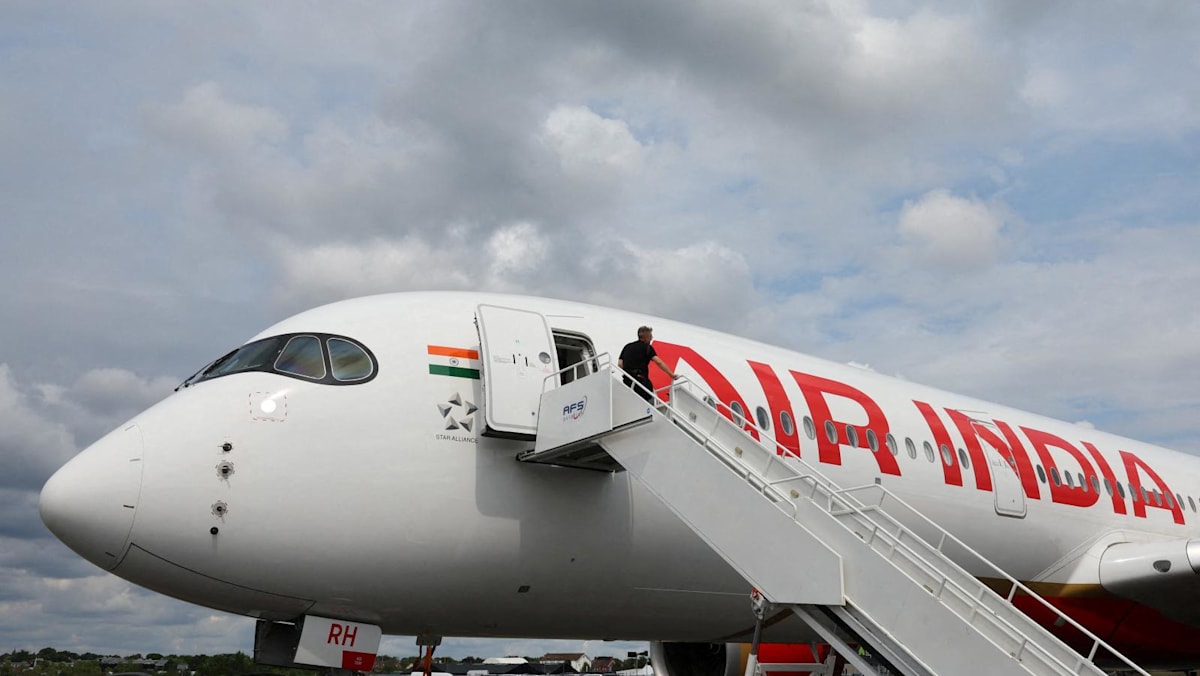
Indian Carriers Face Sharp Squeeze Amid Global Peer Challenges
Indian aviation faces a systemic crisis as rising fuel costs, a volatile Rupee and airspace restrictions squeeze margins beyond Air India’s recent losses. Carriers like IndiGo and SpiceJet are battling a perfect storm of macroeconomic pressures, threatening domestic connectivity and regional economic stability across major Indian hubs.
The crisis is no longer contained to a single flagship carrier. While public attention often fixates on the restructuring of Air India, a much deeper, structural rot is threatening the broader Indian aviation ecosystem. From the bustling terminals of Chhatrapati Shivaji Maharaj International in Mumbai to the massive transit corridors of Indira Gandhi International in Delhi, the math of flight is no longer adding up.
We are witnessing a collision of three distinct economic forces: skyrocketing Aviation Turbine Fuel (ATF) prices, a punishingly weak Indian Rupee, and a geopolitical landscape that has turned once-efficient flight paths into expensive, winding detours. For Indian airlines, these aren’t just line items on a balance sheet; they are existential threats.
The Currency Trap: A Structural Imbalance
The most insidious problem facing Indian carriers is the fundamental mismatch between their revenue and their expenses. While the majority of ticket sales are collected in Indian Rupees (INR), the most significant costs—aircraft leases, engine maintenance, and fuel—are almost exclusively denominated in U.S. Dollars (USD).

As the Rupee continues to face downward pressure against the Dollar, the cost of staying in the air rises automatically, even if flight frequency remains constant. This creates a “silent tax” on every seat sold. Unlike larger Western carriers that often have more robust hedging mechanisms, many Indian budget airlines operate on razor-thin margins that leave little room for currency fluctuations.

The economic fallout extends far beyond the airlines. As carriers pass these costs to consumers, the rising price of air travel begins to stifle the mobility of the growing middle class and complicates the logistics for businesses that rely on rapid domestic transport. In response to these mounting financial complexities, many enterprises are now seeking out corporate risk management consultants to navigate the volatility of international currency markets.
| Cost Driver | Impact Severity | Primary Economic Trigger |
|---|---|---|
| Aviation Turbine Fuel (ATF) | Critical | Global crude oil volatility and geopolitical conflict |
| Currency Exchange (USD/INR) | High | Macroeconomic instability and interest rate differentials |
| Aircraft Leasing | Moderate | Dollar-denominated long-term contracts |
| Operational Overheads | Moderate | Airspace congestion and rerouting fuel burn |
The data is clear. The cost structure of Indian aviation is inherently skewed toward external, uncontrollable variables.
The Fuel and Airspace Squeeze
Fuel is the lifeblood of any airline, typically accounting for nearly 40% of total operating costs. However, for Indian carriers, the fuel problem is compounded by two factors: inadequate hedging and airspace disruption. Hedging—the practice of locking in fuel prices to protect against spikes—requires significant capital reserves. Many Indian players, still recovering from the post-pandemic era, simply do not have the liquidity to play this defensive game.
the geopolitical situation in the Middle East and parts of Europe has fundamentally altered the geometry of Indian flight paths. To avoid restricted or high-risk airspace, aircraft are being forced into longer, less efficient routes. This isn’t just a matter of extra minutes in the air; it is a massive increase in fuel burn per flight. Every additional mile flown is more fuel consumed, more carbon emitted, and more margin lost.
“Indian carriers are essentially flying on a razor’s edge. They are paying for the world’s problems—fuel hikes and currency swings—using a local currency that is losing its purchasing power by the hour. Without a massive shift in how they hedge both fuel and currency, the domestic sky will become much more expensive for everyone.”
— Vikram Sethi, Senior Analyst at the Global Aviation Oversight Group.
The International Air Transport Association (IATA) has frequently highlighted the vulnerability of emerging markets to these specific pressures. In India, where the Ministry of Civil Aviation is pushing for massive capacity expansion, the financial instability of the carriers themselves presents a major roadblock to national infrastructure goals.
The Ripple Effect on Regional Economies
When an airline struggles, the impact is felt long before the flight is canceled. It starts with reduced frequency to Tier-2 and Tier-3 cities. As carriers prioritize high-yield international routes to shore up their USD-denominated debts, the connectivity that drives regional economic growth in cities like Ahmedabad, Pune, and Kochi begins to wither.
This creates a logistical vacuum. Small and medium-sized enterprises (SMEs) that rely on the “just-in-time” movement of high-value goods or the rapid movement of personnel find themselves stranded. For these businesses, the solution often involves pivoting to more resilient supply chains or consulting with supply chain logistics experts to mitigate the disruption of air-freight instability.
The regulatory environment is also under pressure. As airlines face financial distress, the legal complexities surrounding passenger rights, contract defaults, and lease terminations increase exponentially. We are seeing a growing need for specialized aviation regulatory attorneys to manage the fallout of these commercial tensions.
The volatility is not a temporary glitch; it is the new operating environment. According to recent updates from the Associated Press, global energy markets remain highly sensitive to shifts in Middle Eastern diplomacy, meaning the “fuel squeeze” could persist well into the next fiscal year.
The Indian aviation sector stands at a crossroads. It can either evolve through sophisticated financial engineering and aggressive hedging, or it can continue to be a victim of global macroeconomic tides. The skies over India are widening with new routes and new planes, but for the people operating them, the ground is becoming increasingly unstable.
As we monitor these developments, one thing is certain: the era of cheap, unhedged growth in Indian aviation is over. For travelers and businesses alike, the ability to find verified professionals through the World Today News Directory—whether in finance, law, or logistics—will be the difference between navigating these storms or being grounded by them.