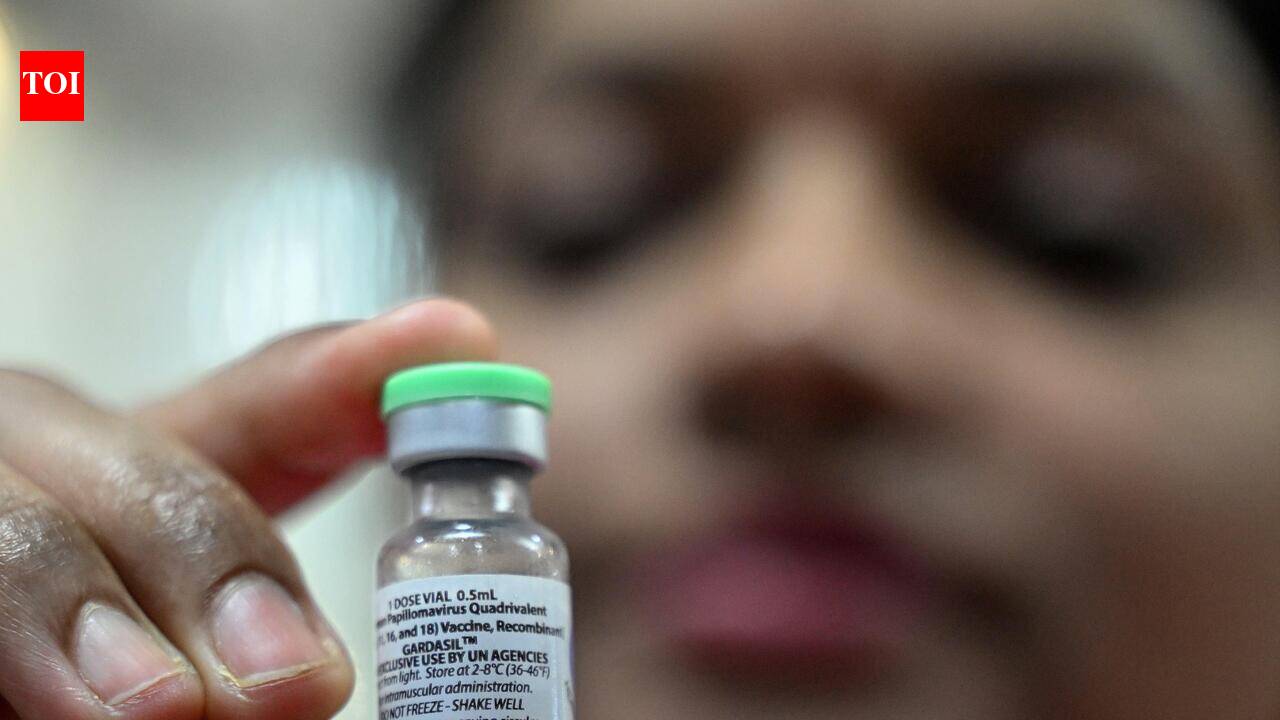
India Accelerates HPV Vaccination Drives to Combat Cervical Cancer
India has administered over 500,000 doses of the HPV vaccine in just three months, with Karnataka’s Mandya district becoming the latest regional hub for a national campaign to curb cervical cancer—a disease responsible for 13% of all female cancer deaths globally, according to the World Health Organization (WHO). The accelerated drive, spearheaded by state health officials and aligned with the Union Ministry of Health and Family Welfare’s (MoHFW) targets, now includes free vaccinations for adolescent girls in schools and madrasas across multiple states, including Telangana and Assam.
Why is India accelerating HPV vaccination now?
Cervical cancer remains the second most common cancer among women in India, with an estimated 123,909 new cases and 77,348 deaths annually, per the International Journal of Cancer. The push follows WHO’s 2020 call to eliminate cervical cancer as a public health problem by 2030—a goal requiring 90% HPV vaccine coverage in girls by age 15. India’s latest figures, released by MoHFW, show 91,289 doses administered in Telangana alone, while Karnataka’s Mandya district reported surpassing its annual target ahead of schedule.
Key Clinical Takeaways:
- Efficacy confirmed: The HPV vaccine (Gardasil 9) demonstrates 98.9% efficacy against cervical cancer precursors in Phase III trials (NEJM, 2019), funded by Merck & Co. and the Bill & Melinda Gates Foundation.
- Coverage gaps persist: Rural districts like Mandya face logistical hurdles, with cold chain infrastructure requiring upgrades to maintain vaccine potency (WHO Vaccine Logistics Guide).
- State-level disparities: Telangana’s 91,289 doses contrast with national averages, highlighting regional funding disparities (Institute for Health Metrics and Evaluation).
How the vaccine works: A biological breakdown
The HPV vaccine targets the human papillomavirus, a double-stranded DNA virus linked to 99.7% of cervical cancers (PubMed). Gardasil 9, the most widely used formulation, uses virus-like particles (VLPs) to trigger a humoral immune response without infecting cells. Clinical trials with 18,000 participants demonstrated sustained antibody titers for at least 10 years post-vaccination, per a 2019 Lancet study, funded by the National Institutes of Health (NIH).
Dr. Priya Mehta, an epidemiologist at the Indian Council of Medical Research (ICMR), notes that “the vaccine’s protective efficacy against high-risk HPV types 16 and 18—responsible for 70% of cervical cancers—is non-negotiable. However, the real challenge lies in sustaining delivery in low-resource settings.”
Funding and infrastructure: The roadblocks
While the central government has allocated ₹1,200 crore ($146 million) for HPV vaccination under the National Health Mission, state-level execution reveals funding inconsistencies. Karnataka’s Mandya district, for instance, relied on partnerships with PATH and the Bill & Melinda Gates Foundation to bridge gaps, while Assam’s Kamrup Metro district achieved 100% coverage by leveraging existing school health programs. A 2023 Lancet Global Health analysis highlighted that 68% of Indian districts lack dedicated cold storage for vaccines, a critical factor in Gardasil 9’s stability.
Dr. Rajiv Kumar, a public health specialist at the All India Institute of Medical Sciences (AIIMS), warns that “without dedicated funding for cold chain expansion, we risk vaccine wastage—a direct contradiction to the elimination goal.”
State-by-state progress: A comparative snapshot
| State | Doses Administered (3-month total) | Coverage Rate (% of target) | Key Funding Partner |
|---|---|---|---|
| Telangana | 91,289 | 87% | MoHFW + Gates Foundation |
| Karnataka (Mandya district) | Data not state-wide; district exceeded annual target | N/A | PATH + State Health Dept. |
| Assam (Kamrup Metro) | 100% of adolescent girls vaccinated | 100% | UNICEF + State Education Dept. |
| West Bengal | Free vaccinations in madrasas (exact numbers pending) | Ongoing | State Health Mission |
What happens next: Scaling up and addressing misinformation
The MoHFW’s target of 500,000 doses in three months signals a shift toward universal coverage, but experts caution against complacency. A 2025 International Journal of Infectious Diseases study found that 42% of Indian parents remain hesitant about HPV vaccination due to misconceptions about safety and necessity. To counter this, Karnataka’s health department has launched a community awareness campaign in collaboration with Rotary International, focusing on debunking myths through local leaders.
For healthcare providers navigating vaccine logistics, [Relevant Clinic: Vaccine Distribution Specialists (VDS)] offers cold chain audits and compliance training for clinics. Meanwhile, [Relevant Service: Healthcare Compliance Attorneys] are advising state health departments on GAVI Alliance funding eligibility for HPV programs.
The future trajectory: Toward elimination
India’s HPV vaccination drive aligns with the WHO’s 90-70-90 strategy: 90% vaccine coverage, 70% screening rates, and 90% treatment for precancerous lesions. While the current momentum is promising, Dr. Mehta emphasizes that “sustained political will and equitable funding are non-negotiable. The next phase must include HPV testing infrastructure—currently available in only 12% of Indian districts—to close the detection gap.”
For patients or providers seeking HPV vaccination services, [Relevant Directory: Global Health Directory’s HPV Vaccination Network] connects users with certified immunization clinics, compliance-verified distributors, and epidemiologists specializing in cervical cancer prevention.
Disclaimer: The information provided in this article is for educational and scientific communication purposes only and does not constitute medical advice. Always consult with a qualified healthcare provider regarding any medical condition, diagnosis, or treatment plan.