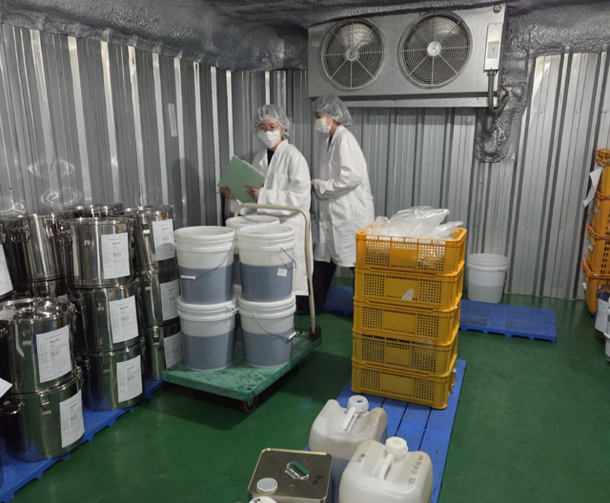
Incheon Inspects 228 Food Businesses Ahead of Chuseok
Beginning August 31, 2026, health authorities in Incheon are launching a five-day comprehensive sanitation inspection targeting 228 manufacturing and retail establishments specializing in Chuseok holiday foods, according to municipal reports. The coordinated enforcement action, directed by Incheon City alongside local district offices, aims to intercept adulterated or unwholesome food products before they reach consumers’ tables during a peak period of traditional holiday consumption.
Targeted Inspections Launch Across Incheon
Focusing on High-Risk Seasonal Producers
The operational scope specifically prioritizes high-risk categories, including previously uninspected facilities, past regulatory offenders, and high-volume producers of traditional items like rice cakes, tofu, dumplings, and holiday confectioneries. To maximize operational efficiency, inspectors are focusing on facilities with historical sanitation violations, uninspected operational profiles, and large-scale output capabilities.
Audits and Laboratory Testing Protocols
Joint inspection teams are executing unannounced audits checking for unregistered commercial operations, expired raw materials, adherence to hygienic food-handling protocols, self-quality testing compliance, and proper cold-chain storage parameters. Field evaluations pair physical facility audits with rigorous laboratory testing of raw seafood and ready-to-eat ceremonial dishes to intercept potential biological and chemical contaminants. Alongside these structural assessments, officials are collecting random physical samples of ceremonial dishes, confectioneries, processed gift packages, and marine products such as croaker to run exhaustive safety panels. Any inventory yielding non-compliant results will face immediate administrative recall, destruction, and distribution blocks to protect public health. Facilities found in violation face official administrative measures alongside mandatory education on safe sanitation practices to prevent recurrence.
Preemptive Hazard Mitigation and Public Safety
Rigorous pre-market screening remains a cornerstone of municipal food safety infrastructure. As highlighted by Lee Ji-young, head of Incheon’s Sanitation Policy Division, the initiative is designed to ensure citizens can purchase holiday offerings with confidence through preemptive hazard mitigation. Public health experts emphasize that systematic regulatory enforcement during high-demand windows is critical for reducing biological contamination risks in commercial food supply chains.
Clinical Takeaways and Regulatory Scope
Key Clinical Takeaways:

- Incheon health authorities are deploying joint inspection teams across 228 targeted food businesses from August 31 to September 4, 2026.
- The operational scope specifically prioritizes high-risk categories, including previously uninspected facilities, past regulatory offenders, and high-volume producers of traditional items like rice cakes, tofu, dumplings, and holiday confectioneries.
- Field evaluations pair physical facility audits with rigorous laboratory testing of raw seafood and ready-to-eat ceremonial dishes to intercept potential biological and chemical contaminants.
*Disclaimer: The information provided in this article is for educational and scientific communication purposes only and does not constitute medical advice. Always consult with a qualified healthcare provider regarding any medical condition, diagnosis, or treatment plan.*