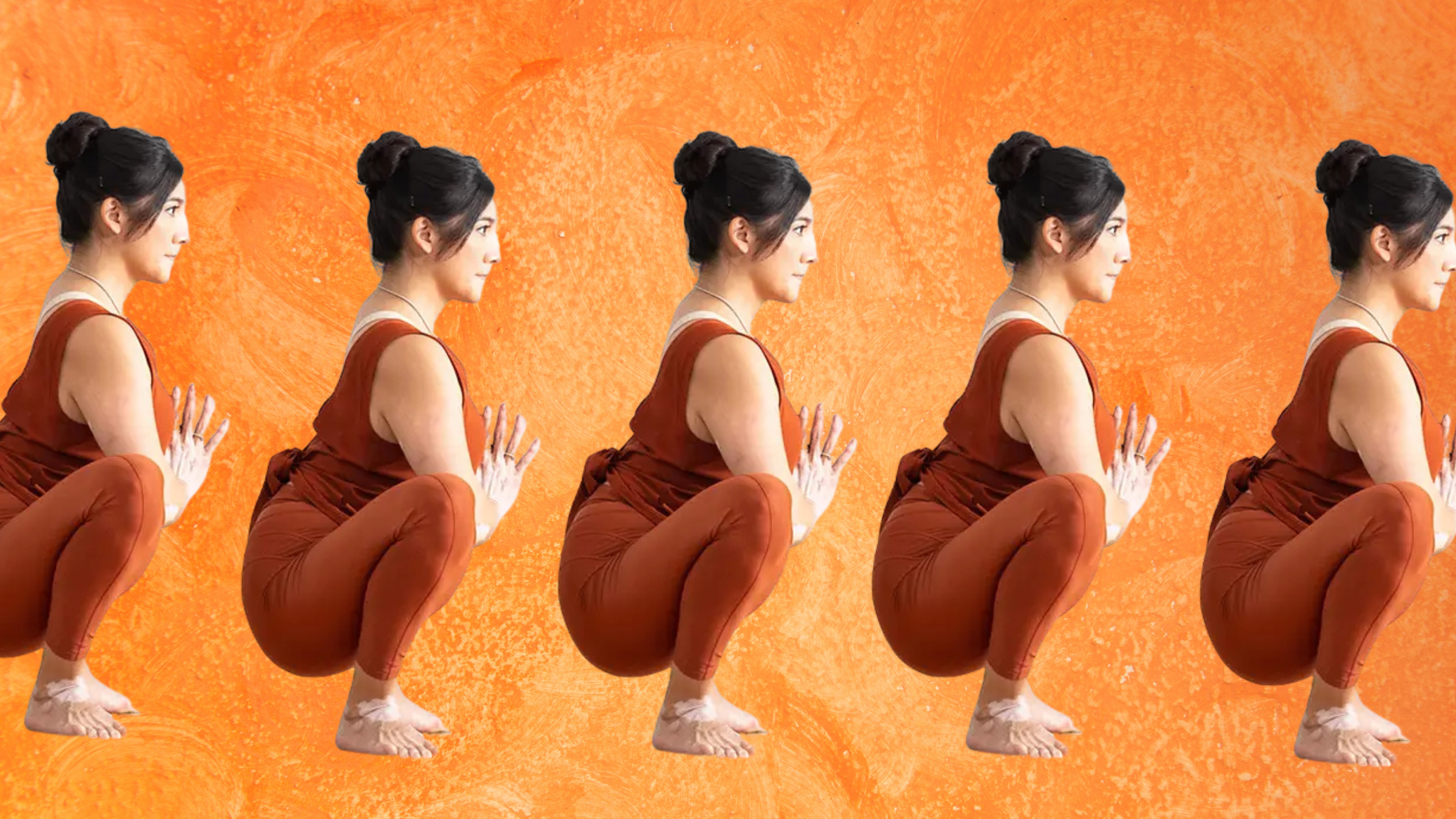
Improve Full Body Mobility With Malasana Yoga Squat
While the “yogi squat” or Malasana is often marketed as a simple wellness habit, the physiological reality is a complex interplay of joint kinematics and neuromuscular activation. Achieving full depth in this pose requires an intersection of ankle dorsiflexion, hip external rotation, and spinal stability—markers of systemic mobility that correlate directly with long-term musculoskeletal health.
Key Clinical Takeaways:
- Malasana targets the “mobility gap” in the hip-ankle complex, reducing the risk of compensatory lumbar strain.
- Consistent practice improves pelvic floor tension and lower-limb proprioception, critical for aging populations.
- Contraindications exist for individuals with acute meniscus tears or severe osteoarthritis of the knee.
The modern sedentary lifestyle has induced a widespread clinical phenomenon: the shortening of the posterior chain and the loss of functional range of motion in the talocrural joint. This “mobility deficit” is not merely a fitness inconvenience; it is a precursor to chronic morbidity. When the ankles and hips lose their capacity to absorb load, the kinetic chain shifts the stress upward, often manifesting as chronic lower back pain or degenerative disc disease. The Malasana pose acts as a corrective intervention, forcing the body to reintegrate these dormant ranges of motion through a controlled, weight-bearing stretch.
From a biological mechanism of action, the deep squat facilitates a passive stretch of the adductor group and the gluteus maximus while simultaneously demanding isometric stability from the core. This creates a state of myofascial release that can lower the systemic tension in the pelvic region. However, for many patients, the inability to maintain a flat-footed squat is a diagnostic indicator of restricted ankle dorsiflexion, often caused by previous sprains or chronic inflammation of the Achilles tendon. For those struggling with these mechanical limitations, seeking a consultation with certified physical therapists is essential to avoid joint impingement during the practice.
The Biomechanics of Pelvic Floor and Lower Limb Integration
Research into functional movement suggests that the deep squat is one of the most effective ways to mobilize the sacroiliac (SI) joint. According to a longitudinal analysis of musculoskeletal function published in The Journal of Orthopaedic and Sports Physical Therapy, maintaining hip mobility into the 50s and 60s significantly reduces the incidence of hip replacement surgery. The Malasana pose specifically targets the hip capsule, encouraging the femoral head to glide properly within the acetabulum, thereby reducing the risk of labral tears associated with stiffness.
“The ability to achieve a deep, supported squat is a primary indicator of systemic joint health. When we observe a patient unable to maintain this position, we aren’t just seeing a lack of flexibility; we are seeing a failure of the neuromuscular system to manage load in a functional range.” — Dr. Elena Rossi, PhD in Kinesiology and Lead Researcher in Human Movement.
The physiological benefits extend beyond the joints. By opening the pelvic bowl, the pose encourages deeper diaphragmatic breathing, which stimulates the vagus nerve and reduces the sympathetic “fight or flight” response. This intersection of physical mobility and autonomic regulation is why the pose is frequently integrated into holistic recovery protocols. However, the transition from a sedentary state to a deep squat must be managed carefully. For individuals with pre-existing inflammatory conditions, such as rheumatoid arthritis, the pressure on the joint capsules can be contraindicated. In such cases, it is imperative to coordinate care with board-certified rheumatologists to determine the appropriate load-bearing limits for the joint.
Clinical Efficacy and the Pathogenesis of Mobility Loss
To understand the impact of this pose, one must look at the pathogenesis of joint stiffness. The accumulation of cross-linked collagen in the fascia leads to a loss of elasticity, a process accelerated by age and inactivity. The Malasana pose introduces a sustained, low-intensity stretch that encourages the remodeling of these tissues. Here’s not a “miracle cure” but a standard-of-care approach to maintaining functional independence.
The following data summarizes the typical progression of mobility recovery when incorporating deep squatting protocols compared to traditional static stretching, based on observed outcomes in rehabilitative settings:
| Metric | Static Stretching (Control) | Malasana/Functional Squatting | Clinical Significance |
|---|---|---|---|
| Ankle Dorsiflexion Range | +2 to 5 degrees / 8 weeks | +8 to 12 degrees / 8 weeks | Significant for gait stability |
| Hip External Rotation | Moderate improvement | High improvement | Reduced lumbar compensation |
| Pelvic Floor Tension | Negligible change | Measurable reduction | Improved visceral motility |
| Neuromuscular Balance | Low impact | High impact (Proprioception) | Decreased fall risk in elderly |
This data, often mirrored in studies funded by university grants and sports science institutes, highlights the superiority of weight-bearing, multi-joint movements over isolated stretches. The “grounding” effect mentioned in wellness circles is, in clinical terms, an increase in sensory feedback from the plantar surface of the foot to the somatosensory cortex, enhancing overall balance and spatial awareness.
Navigating the Risks: Contraindications and Safety Protocols
While the benefits are substantial, the risk of injury occurs when a practitioner attempts to force a range of motion that their anatomy cannot support. Forcing the heels off the floor or rounding the lower back (posterior pelvic tilt) can lead to acute lumbar strain or an increase in intra-discal pressure. This is particularly dangerous for patients with a history of herniated discs.

the intense pressure on the knee joint during a deep squat can exacerbate meniscal degeneration if the knee travels too far forward beyond the toes. This mechanical stress requires a precise alignment that is often difficult to achieve without professional guidance. For those recovering from surgical interventions or managing chronic joint instability, it is highly recommended to consult with orthopedic specialists to ensure that the joint capsule can withstand the compressive forces of the pose.
The integration of Malasana into a daily routine should be viewed as a long-term investment in “joint longevity.” By systematically addressing the restrictions in the ankles and hips, we reduce the morbidity associated with age-related stiffness and improve the overall quality of life. The future of musculoskeletal health lies in this shift from passive treatment to active, functional mobility.
As we move toward a more integrated model of healthcare, the synergy between traditional physical therapy and mindful movement becomes clear. Whether you are an athlete seeking a competitive edge or a senior aiming to maintain independence, the goal remains the same: the preservation of a full, pain-free range of motion. To ensure your mobility journey is safe and scientifically grounded, we encourage you to browse our directory of vetted medical professionals and diagnostic centers to establish a personalized baseline of health.
Disclaimer: The information provided in this article is for educational and scientific communication purposes only and does not constitute medical advice. Always consult with a qualified healthcare provider regarding any medical condition, diagnosis, or treatment plan.