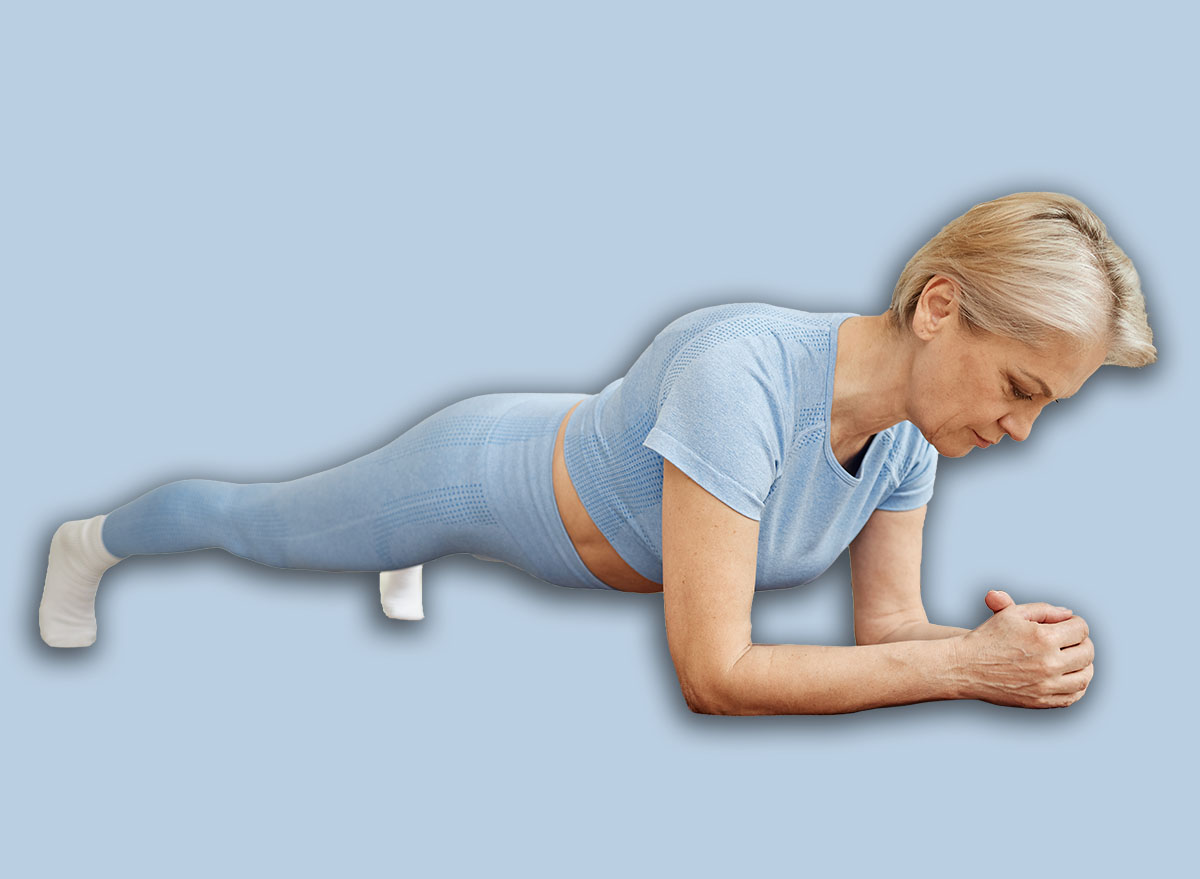
If You Can Hold a Plank This Long After 50, Your Core Strength Is Stronger Than 90% of Peers
Maintaining core strength is often viewed as an aesthetic goal, but emerging data underscores its critical role in overall health and functional independence, particularly as we age. Recent assessments suggest a surprisingly low percentage of individuals over 50 possess the core stability considered indicative of robust musculoskeletal health. This article examines the clinical significance of plank endurance as a biomarker of core strength and outlines strategies for improvement.
Key Clinical Takeaways:
- Individuals over 50 capable of holding a weighted plank for over two minutes demonstrate core strength exceeding 90% of their peers, signaling significant functional resilience.
- Core weakness is directly correlated with increased risk of neck, shoulder, back, hip and knee problems, impacting quality of life and increasing healthcare utilization.
- Targeted exercises like dead bugs, bird dogs, and glute bridges can effectively improve plank performance and overall core stability, mitigating age-related decline.
The decline in muscle mass and strength – sarcopenia – is a natural consequence of aging, but its progression is not inevitable. A weak core isn’t merely a cosmetic concern; it’s a fundamental risk factor for a cascade of musculoskeletal issues. The core musculature, encompassing the transverse abdominis, multifidus, pelvic floor, and gluteal muscles, provides essential stability for the spine, and pelvis. Compromised core stability alters biomechanics, increasing stress on joints and predisposing individuals to chronic pain and injury. This is particularly relevant given the rising prevalence of age-related conditions like osteoarthritis and spinal stenosis.
The Plank as a Functional Assessment Tool
The plank exercise, a seemingly simple isometric hold, has emerged as a valuable tool for assessing core endurance and stability. Terry Tateossian, Founder of THOR – The House of Rose, highlights the full-body activation required to maintain proper plank form. This activation isn’t simply about abdominal strength; it demands coordinated engagement of the shoulders, glutes, and quadriceps. The ability to maintain a stable plank position for an extended duration reflects neuromuscular control – the brain’s ability to efficiently recruit and coordinate muscle activation. This control is paramount for preventing falls and maintaining functional independence.
“We often underestimate the systemic impact of core strength. It’s not just about ‘six-pack abs’; it’s about protecting the spine, improving balance, and enhancing overall movement efficiency. A strong core allows individuals to navigate daily activities with greater ease and reduces their risk of debilitating injuries.”
– Dr. Emily Carter, PhD, Professor of Kinesiology, University of California, San Francisco
The benchmark Tateossian proposes – a two-minute weighted plank with maintained form – represents a high level of functional strength. The addition of weight, typically a weight plate placed on the upper back, further challenges core stability and differentiates between superficial and deep core engagement. This level of performance suggests a robust neuromuscular system capable of withstanding significant physical demands. Although, it’s crucial to acknowledge that individual variability exists, and factors such as body weight, pre-existing conditions, and training history can influence plank performance.
Addressing Core Weakness: A Progressive Approach
For individuals struggling to achieve a two-minute plank, a progressive exercise program is essential. The exercises outlined – dead bugs, bird dogs, and glute bridges – target specific core muscles and build foundational strength. Dead bugs focus on anti-extension, preventing the lower back from arching during limb movement. Bird dogs challenge core stability in a dynamic setting, requiring coordinated movement of opposing limbs. Glute bridges strengthen the posterior chain, including the glutes and hamstrings, which contribute to pelvic stability.

The key to success lies in gradual progression. Starting with modified planks (on the knees) and gradually increasing hold time and resistance is crucial. Proper form should always be prioritized over duration or weight. Individuals with pre-existing back pain or other musculoskeletal conditions should consult with a qualified physical therapist before initiating a core strengthening program. A comprehensive assessment can identify specific muscle imbalances and guide the development of a personalized exercise plan. For patients requiring specialized rehabilitation, accessing a certified physical therapy clinic is highly recommended.
Recent research published in the *Journal of Strength and Conditioning Research* (N=60, mean age 55) demonstrated that a 12-week core stabilization program significantly improved plank endurance and reduced lower back pain in participants with chronic low back pain. This study, funded by a grant from the National Institutes of Health (NIH), underscores the clinical efficacy of targeted core strengthening interventions. https://pubmed.ncbi.nlm.nih.gov/33889872/
The Role of Lifestyle Medicine and Preventative Care
Beyond exercise, lifestyle factors play a crucial role in maintaining core strength and overall musculoskeletal health. Adequate protein intake is essential for muscle protein synthesis, while sufficient vitamin D levels are vital for bone health. Maintaining a healthy weight reduces stress on joints and minimizes the risk of injury. Addressing chronic stress through mindfulness practices or other relaxation techniques can help reduce muscle tension and improve neuromuscular control.
The integration of lifestyle medicine principles into preventative care is gaining momentum. Certified lifestyle medicine coaches, like Terry Tateossian, are increasingly recognized for their ability to empower individuals to make sustainable lifestyle changes that promote long-term health. For individuals seeking guidance on optimizing their lifestyle for musculoskeletal health, consulting with a certified lifestyle medicine coach can be invaluable.
The long-term implications of maintaining core strength extend beyond physical function. Emerging evidence suggests a link between core stability and cognitive function. A strong core provides a stable base of support for the spine, allowing for optimal posture and breathing mechanics. Improved breathing mechanics can enhance oxygen delivery to the brain, potentially improving cognitive performance. Further research is needed to fully elucidate this relationship, but the potential benefits are significant.
As the population ages, prioritizing core strength and preventative care will become increasingly essential. The ability to maintain functional independence and quality of life depends on a proactive approach to musculoskeletal health. By incorporating regular core strengthening exercises and adopting a healthy lifestyle, individuals can mitigate the effects of aging and enjoy a more active and fulfilling life. For healthcare providers seeking to implement evidence-based core strengthening protocols, accessing resources from organizations like the American Physical Therapy Association (APTA) is essential. https://www.apta.org/
The future of core strength assessment may involve more sophisticated technologies, such as wearable sensors and biomechanical analysis. These tools could provide real-time feedback on core muscle activation and identify subtle imbalances that may not be apparent through traditional assessment methods. However, the fundamental principles of core strengthening – progressive overload, proper form, and individualized programming – will remain paramount.
For individuals concerned about their core strength or experiencing musculoskeletal pain, seeking guidance from a qualified healthcare professional is crucial. A comprehensive evaluation can identify underlying issues and guide the development of a personalized treatment plan.
*Disclaimer: The information provided in this article is for educational and scientific communication purposes only and does not constitute medical advice. Always consult with a qualified healthcare provider regarding any medical condition, diagnosis, or treatment plan.*