
ICE Under Fire: Shooting Sparks Congressional Debate Over Funding and Reform
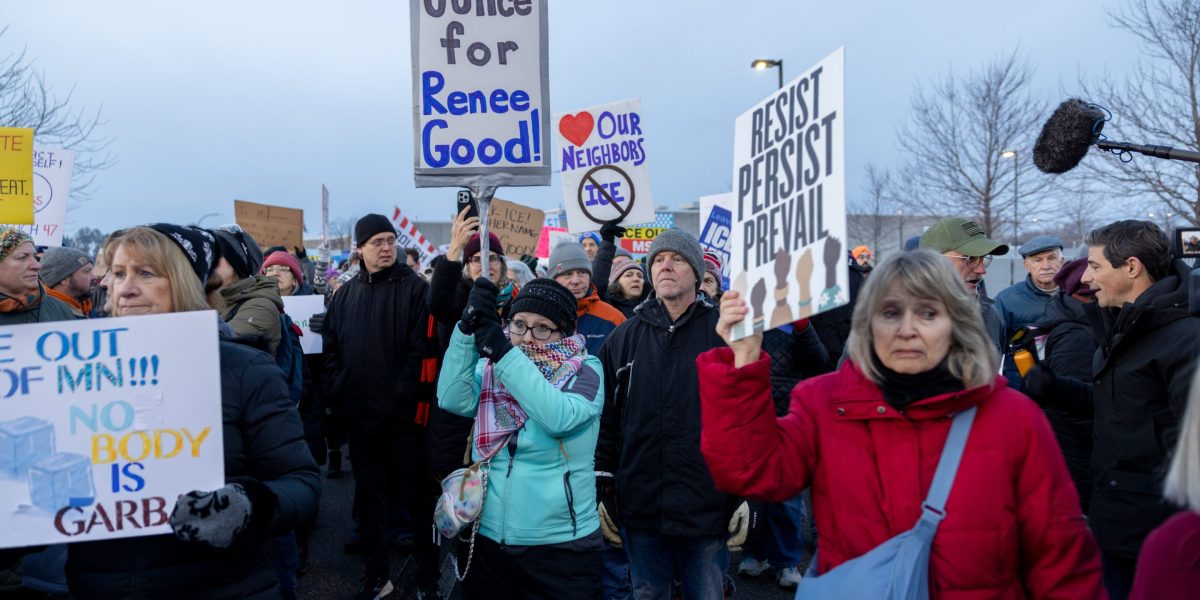
The recent killing of Renee Good by an Immigration and Customs Enforcement (ICE) agent in Minnesota has ignited a fierce debate in Congress, perhaps jeopardizing the passage of a Department of Homeland Security (DHS) funding bill. With a government shutdown looming on January 30th, Democrats are leveraging the tragedy to demand significant reforms to ICE operations, while Republicans are pushing back, emphasizing the agency’s critical role in border security.This situation presents a complex challenge, balancing the need for accountability with concerns about national security and the potential for economic disruption.
Democrats Push for Restraints on ICE
Following the shooting, democratic lawmakers are actively seeking ways to restrict ICE’s power and increase oversight. Senator Chris Murphy, ranking member of the subcommittee overseeing the DHS budget, is spearheading the effort. He plans to introduce legislation that woudl impose several key limitations on ICE and Border Patrol:
- Warrant Requirement: Mandating warrants for arrests, ensuring due process is followed.
- Ban on Masking: Prohibiting agents from wearing masks during enforcement operations, promoting transparency and accountability.
- Restricted Use of Force: Limiting the use of firearms by ICE agents during civil immigration enforcement actions.
- Border Patrol Limitations: Restricting Border patrol operations to the immediate border area.
Senator Murphy has stated unequivocally that Democrats will not support a DHS budget without these “guardrails” in place. “Democrats cannot vote for a DHS budget that doesn’t restrain the growing lawlessness of this agency,” he declared on X (formerly Twitter). This stance signals a willingness to risk a government shutdown to achieve meaningful reform.
Bipartisan Concerns and Calls for Inquiry
The call for change isn’t solely a democratic effort. Republican Senator Lisa Murkowski of Alaska has also expressed deep concern over the shooting, calling it “devastating” and demanding a “thorough and objective investigation.” This bipartisan concern suggests a potential opening for negotiation,though the scope of acceptable reforms remains a key point of contention.
Calls for Dismantling ICE
Some Democrats are advocating for more drastic measures. Representative Adriano espaillat, a member of the house Appropriations Committee, has called for the complete dismantling of ICE, arguing that the agency’s “unaccounted for violence is part of it’s culture.” He proposes rebuilding a new immigration enforcement agency from the ground up, one focused on accountability and respect for human rights.
Republican Resistance and National security Concerns
Republicans, however, are staunchly defending ICE and its role in securing the border. House Speaker Mike Johnson has warned that limiting funding for DHS would be “dangerous,” notably given current national security concerns. He emphasized that immigration enforcement is a “critically critically important function of the government” and a “top concern for Americans,” citing the recent election results as evidence. This highlights the political complexities of the situation, with both parties digging in their heels.
Historical Context: Funding Trends and the Trump Administration
The current debate over ICE funding is not new. During the Trump administration, ICE received significant funding increases, enabling a dramatic expansion of its operations and a more aggressive approach to immigration enforcement. according to data from the DHS, ICE’s budget increased by over 30% between 2017 and 2021, reaching approximately $8.3 billion.This funding fueled increased deportations, expanded detention facilities, and a broader crackdown on undocumented immigrants.
ICE Budget Growth (2017-2021):
| Year | ICE Budget (USD Billions) |
|---|---|
| 2017 | $6.3 |
| 2018 | $7.0 |
| 2019 | $7.9 |
| 2020 | $8.1 |
| 2021 | $8.3 |
This period also saw a rise in controversies surrounding ICE’s tactics, including allegations of abuse, family separations, and inadequate medical care in detention centers. The current debate is, in many ways, a direct response to these concerns and the legacy of the Trump administration’s immigration policies.
The Looming Shutdown and Potential Outcomes
As the January 30th deadline approaches, the stakes are high. A government shutdown would have significant consequences, disrupting essential services and impacting the economy. While top Democrats like Senate Minority Leader Chuck Schumer have expressed a desire to avoid a shutdown, the pressure to address ICE’s accountability is mounting. Several potential outcomes are possible:
- Compromise: A bipartisan agreement could be reached, incorporating some, but not all, of the Democratic proposals for ICE reform.
- Short-Term Extension: Congress could pass a short-term continuing resolution to keep the government funded while negotiations continue.
- Shutdown: If no agreement is reached, a partial government shutdown could occur, impacting DHS and other federal agencies.
The outcome will likely depend on the willingness of both parties to compromise and the extent to which public pressure influences the negotiations. the shooting of Renee Good has undoubtedly added a new layer of urgency and complexity to an already contentious issue.
Key Takeaways
- The killing of Renee Good by an ICE agent has sparked a renewed debate over the agency’s accountability and funding.
- Democrats are pushing for significant restrictions on ICE’s powers, including warrant requirements and limitations on the use of force.
- Republicans are defending ICE and its role in border security,warning against measures that could hinder enforcement efforts.
- The debate is unfolding against the backdrop of a looming government shutdown deadline, adding to the pressure on lawmakers.
- The current situation reflects a broader historical trend of increasing ICE funding and growing concerns about its practices.
