
Laptop Overheating? It Might Not Be Malware-Here’s What experts Say
Table of Contents
Millions of laptop users experiencing unexpected overheating might potentially be overlooking a surprisingly common cause: outdated software and drivers. A recent surge in reports of overheating devices initially led many too suspect malicious software, but diagnostics increasingly point to performance inefficiencies stemming from aging system components. Ignoring these updates isn’t just an inconvenience; it can lead to reduced performance, increased vulnerability to security threats, and perhaps long-term hardware damage.
The issue affects anyone using a computer, but is especially prevalent among those who postpone routine system maintenance. Keeping software and drivers current ensures optimal functionality and security, and addressing this often-overlooked factor can quickly resolve overheating issues-saving users the time and expense of more complex troubleshooting. Here’s what you need to know to keep your laptop cool and running smoothly.
Older software and applications frequently become resource-intensive and incompatible wiht modern operating systems. If your laptop is generating excessive heat while running seemingly lightweight programs, the software itself may be the problem. Regularly updating your frequently used applications guarantees access to the latest performance enhancements and bug fixes.Beyond performance,outdated applications represent a notable security risk,making your device more susceptible to malware infections.
Drivers, which facilitate communication between your hardware and operating system, are equally critical. Neglecting driver updates can severely impact hardware efficiency. A quick check for available updates-a process that typically takes around 20 minutes-can significantly improve your laptop’s thermal performance.
How to Update Your System
Windows users can easily access update options by searching for “Updates” in the taskbar and selecting “Check for updates.” Within the “Advanced options” menu, a dedicated “Optional updates” tab allows you to identify and install any available driver updates. Prioritizing these updates is a simple yet effective step toward maintaining a healthy and efficient laptop.
Beyond Updates: Ruling Out malware & Simple Solutions
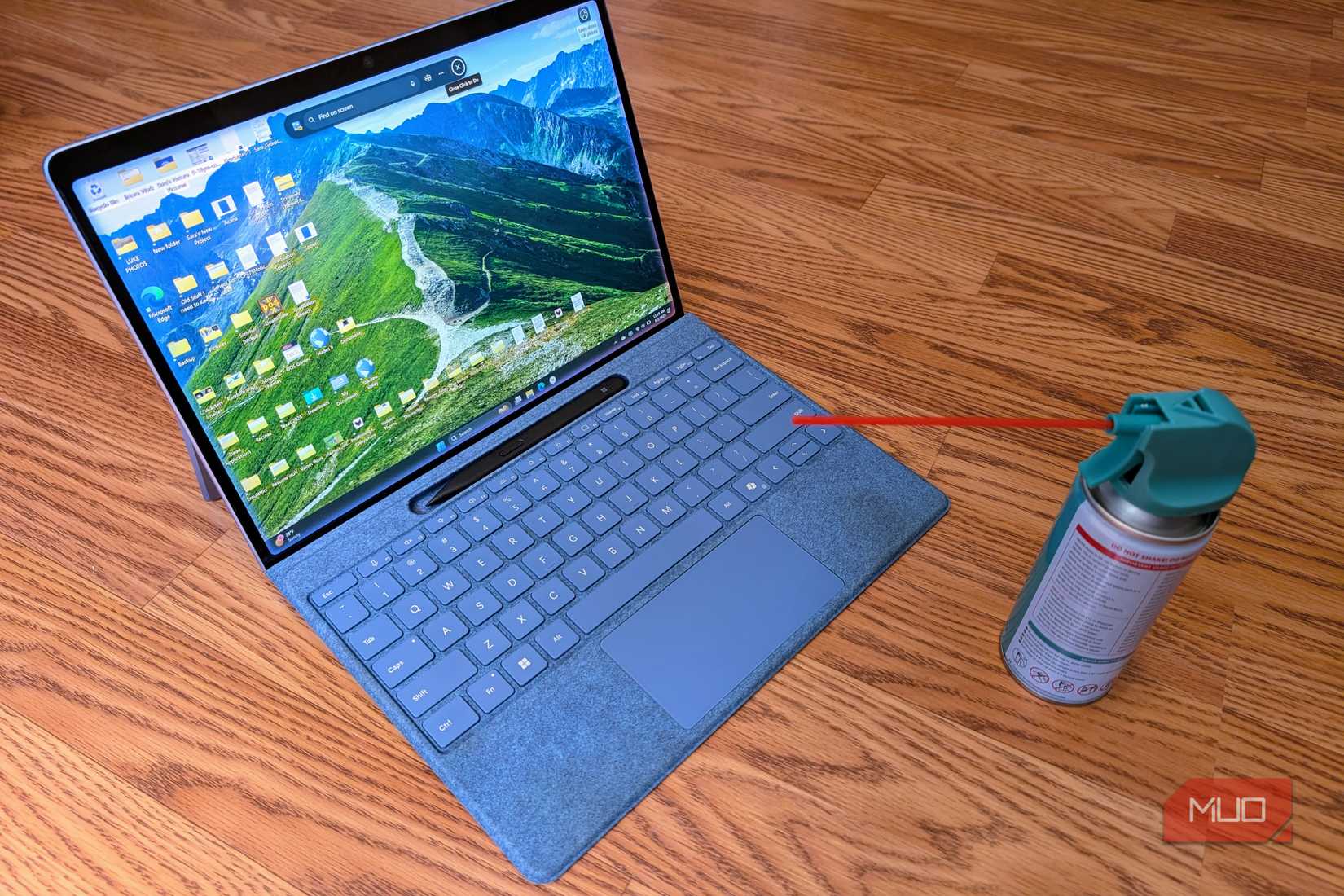
While outdated software is often the cause, it’s prudent to rule out malware as a potential contributor. Running a device scan can quickly identify and eliminate any malicious software that might be straining your system. however, in many cases, the solution to an overheating laptop is straightforward: ensuring proper ventilation, regularly cleaning dust buildup, or adjusting system settings. Addressing these simple factors can often restore your laptop to optimal operating temperatures.
