
More Women Seek Hormone therapy as Awareness of Menopause Symptoms Grows, Doctors report
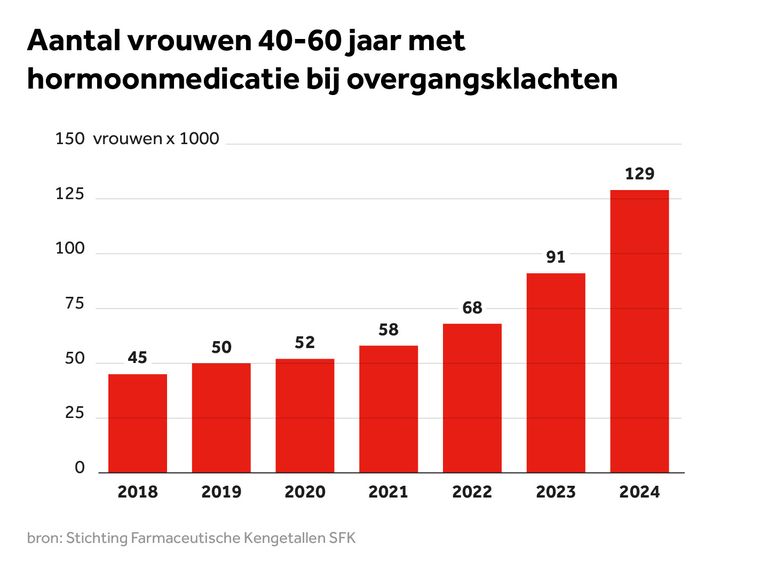
AMSTERDAM – A growing number of women are initiating conversations with their doctors about perimenopause and menopause, spurred by increased awareness and a recent easing of restrictions on hormone therapy prescriptions. Many are reporting symptoms initially mistaken for other conditions, with some fearing early-onset dementia.
“I thought I was getting demented,” reflects a sentiment echoed by increasing numbers of patients, according to gynecologists and general practitioners.
The shift comes after a change to GP directives in 2022, addressing a “deep-rooted fear against hormone therapy” that previously caused “a lot of damage,” according to experts.The adjustment allows general practitioners to better assist women experiencing transition-related complaints, alleviating pressure on overbooked menopause clinics and gynecologists. “Not everyone needs to go to the hospital. It’s a shame if you have to wait unnecessarily very long,” one gynecologist stated.
The typical transition period begins between ages 40 and 60, with the average age of last menstrual periods being 51. Approximately 80 percent of women experience some form of symptom, with a third reporting “serious complaints.” Common symptoms include hot flashes, night sweats, fatigue, forgetfulness, concentration difficulties, sleep disturbances, mood swings, and musculoskeletal pain.
Doctors overwhelmingly prescribe bio-identical hormone therapy – hormones molecularly identical to those naturally produced by the body, ensuring optimal absorption. While “bio-identical” doesn’t equate to “natural” (a chemical process is still required for production), they are favored for their efficacy.
Studies indicate that using hormone medication for up to five years does not increase cancer risk, though it is not suitable for all women, such as those with a history of breast cancer. Non-hormonal alternatives exist but are not currently covered by basic health insurance.
General practitioners like Margrita Slagter, who provides in-service training to colleagues, acknowledge a need for continued education. “A catch-up is still needed,” she noted. Femke Hohmann, another general practitioner, emphasizes the importance of doctors taking complaints seriously and considering menopause as a potential cause. “It is vital that GPs do not wave away complaints. That they think: this may be the transition.”
Both Hohmann and Slagter report a trend of patients arriving better informed and proactively questioning whether their symptoms are related to the transition. “They are better informed to the doctor,” Hohmann said, adding that recognizing the possibility of menopause is the crucial first step, with decisions about hormone therapy following.
