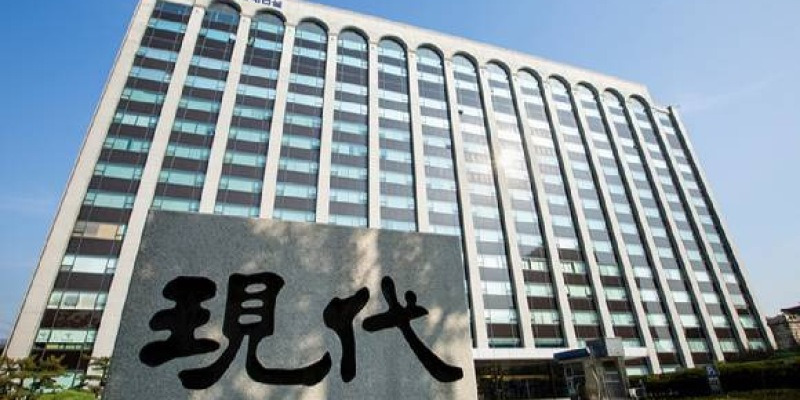
Hyundai E&C operating profit climbs as cash reserves fall below debt
Hyundai Engineering & Construction reduced its total corporate debt and reported that its cash reserves fell below borrowings, according to a report on October 30. The widening gap between liquid assets and debt highlights a distinct liquidity squeeze amid shifting margins in the builder’s latest financial disclosure.
Hyundai E&C Operating Profit Climbs Despite Revenue Drop
For the first nine months of 2026, Hyundai E&C posted a cumulative consolidated revenue of 19조3642억원 and an operating profit of 6645억원. Revenue dropped 15.8 percent compared to the same period last year. Operating profit climbed 24.4 percent over the same timeframe. The revenue contraction accompanied a drop in the cost of sales ratio from 94.0 percent down to 92.0 percent, preserving bottom-line gains despite a smaller top-line figure.
The balance sheet showed a shrinking total debt footprint alongside a simultaneous build-up in borrowings. Consolidated liabilities at the end of September hit 16조3484억원, marking a 1조3112억원 reduction from the close of the previous year. Total equity grew from 10조3990억원 to 10조9330억원. These shifts brought the consolidated debt-to-equity ratio down by 20.3 percentage points to 149.5 percent.

| Financial Metric (Consolidated) | Year-End 2025 | September 30, 2026 | Change |
|---|---|---|---|
| Borrowings | 3조8510억원 | 4조5162억원 | +6652억원 |
| Cash and Deposits | 5조1768억원 | 3조4850억원 | -1조6918억원 |
Borrowings Rise as Cash Reserves Fall
Borrowings moved in the opposite direction of overall debt, rising by 665.2 billion won to reach 4조5162억원. Total borrowings accounted for 27.6 percent of total liabilities at the end of September, up from 21.8 percent at the close of 2025. Total cash and deposits—comprising cash, cash equivalents, and short-term financial instruments—fell by 32.7 percent over the same nine months, dropping from 5조1768억원 down to 3조4850억원.
The reversal began early in the year. By the end of March 2026, borrowings stood at 4조1527억원 while cash assets totaled 3조8516억원, leaving borrowings 301 billion won higher. That deficit widened sharply as the year progressed. The gap between borrowings and cash expanded to 5619억원 at the end of June before surging past 1조312억원 by the end of September. A similar reversal occurred briefly during the third quarter of 2025 before year-end cash accumulation temporarily restored a cash surplus.
Corporate cash holdings on a separate, non-consolidated basis contracted even faster. Cash and deposits fell 45 percent from 2조9653억원 at the end of 2025 to 1조6309억원 at the end of September 2026. Separate borrowings rose slightly from 2조3607억원 to 2조4877억원. Accounts receivable under the separate standard increased by 309.8 billion won to reach 4조2375억원, pointing to collection timelines as an influential factor for upcoming liquidity management.
New Orders Reach 86.5 Percent of Annual Target
Cumulative consolidated new orders through the third quarter reached 28조8746억원, fulfilling 86.5 percent of the company’s annual target. Total order backlog stood at 99조5310억원. Turning that pipeline into realized revenue requires sustained funding for active job sites and ongoing project capital expenditures, making working capital management a central priority as the firm expands into energy, data center, and complex development projects.
Company representatives pointed to selective project acquisition and strict cost discipline as drivers of the ongoing operating profit improvements. Management intends to use its global execution capabilities and technical edge to secure competitive advantages in the energy and infrastructure sectors while expanding future growth operations, according to corporate statements reported by Daum.