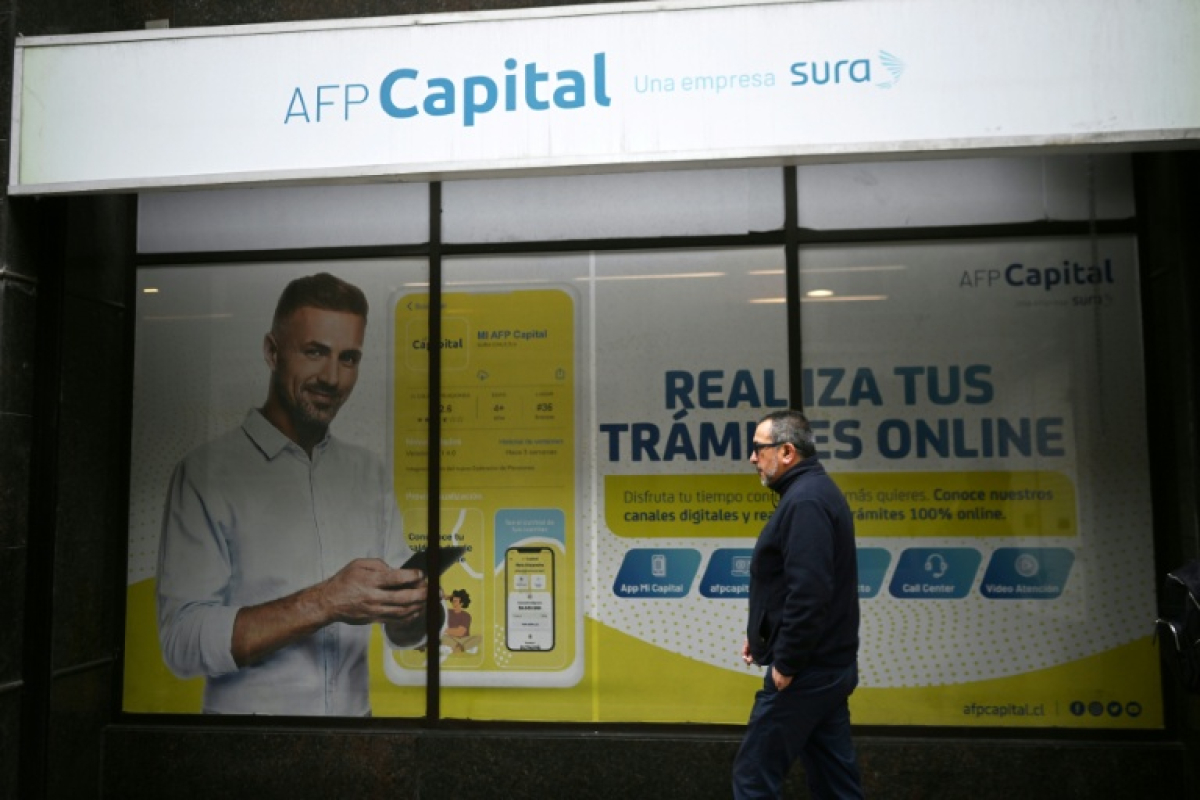
Chilean Category E pension funds drop 10.4 percent, Boursorama says
Chile’s supposedly safest pension fund has recorded multi-million-dollar losses, reducing retirement incomes for hundreds of thousands of workers due to failed financial bets on US interest rates, Boursorama reported.
Magaly Valencia, a 70-year-old resident of Santiago, discovered that her pension shrank significantly after placing her savings in the Category E fund, which is marketed as the least risky among the five available options. According to Boursorama, 761,000 Chileans have invested in the E fund, including 69,000 individuals over the age of 60 who are already retired or nearing retirement. The fund dropped by an average of 10.4 percent between January and September. Pension fund administrators, known locally as AFPs, allocated portions of these portfolios into financial contracts designed to profit if US interest rates decreased. Instead, US interest rates rose, triggering severe devaluation.
Valencia’s situation illustrates the compounding financial pressure facing retirees. After working for 40 years, her monthly income dropped from a salary of roughly $2,000 to a retirement income of $750, a figure that includes her AFP payout and a guaranteed universal pension introduced by the government in 2022. She told Boursorama that her total funds have decreased by nearly $10,000 since the beginning of the year. High medical costs exacerbated her financial strain, including $7,000 spent on urgent surgery following a breast cancer diagnosis and an expected $10,000 expense for upcoming arthritis treatment. Before, I liked small cakes or going out to eat somewhere, even if it costs money. All that is finished,
she said.

Government Inquiries and Legal Actions Against AFPs
The downturn has prompted swift regulatory and legislative intervention across the political spectrum. CH Zonebourse reported that the sector’s regulator announced an investigation into the seven private AFP managers to determine whether they breached their legal duty of prudence in ensuring adequate profitability and safety. Gonzalo Arenas, a spokesperson for the government, denounced the losses, stating that it is extremely grave that such a large quantity of resources was wasted, according to CH Zonebourse. The Direction générale des pensions estimated that these specific contracts posted a cumulative loss of $10 billion by September. Government data indicates that only 7.5 percent of Chilean retirees receive a pension higher than the minimum wage of $550.
Individual retirees have begun taking legal action against the fund managers. Mario Rebolledo, a 64-year-old former bank employee, filed a lawsuit against his AFP after losing approximately $5,550 between April and October across the E and D funds. The Category D fund registered the second-largest decline, falling 6.4 percent between January and September. Rebolledo receives a pension of roughly $505 and pays $400 in monthly rent. It was a bomb for me, I felt scammed, I felt stolen,
he told Boursorama, adding that he now sells vintage clothing on weekends to survive.
Origins of the Private Pension Model
Chile’s private pension system traces back to 1981, established during the military dictatorship of General Augusto Pinochet, which lasted from 1973 to 1990. Individual private accounts replaced a legacy public pay-as-you-go system where active workers directly funded retiree benefits. Today, the private pension administrators hold more than 12.2 million affiliates. Workers are mandated to contribute one-tenth of their monthly earnings into personal accounts managed by AFPs, which invest the capital on financial markets.
Guillermo Larrain, an economist and former director of the pensions administration, told Boursorama that an eventual recovery remains possible if the AFPs maintain their current positions and if US interest rates eventually decline. Meanwhile, affected affiliates continue seeking legal recourse and demanding accountability from fund managers as inquiries into the investment strategy proceed.