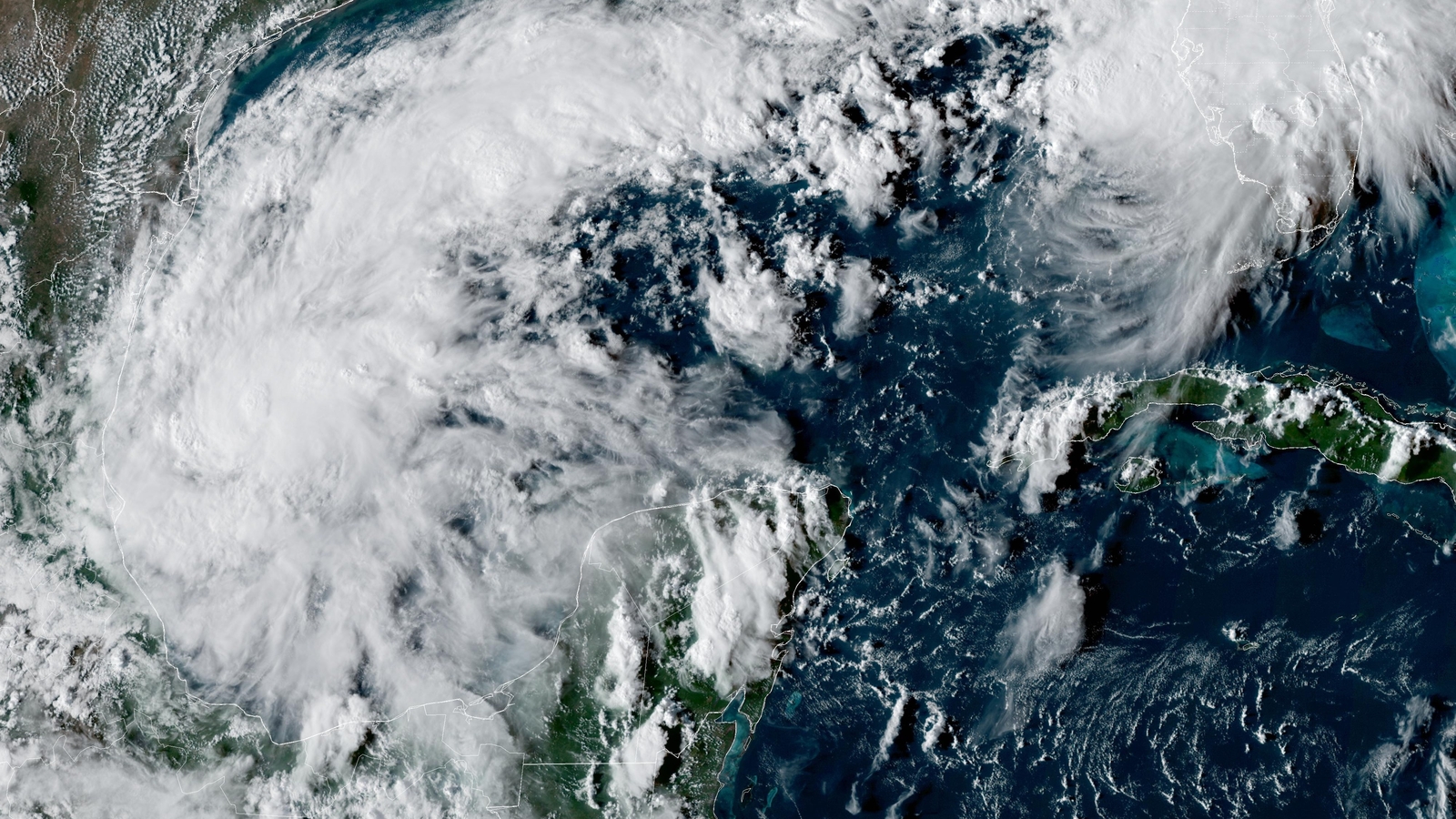
Hurricane Isaias strengthened into first Atlantic hurricane
Isaías strengthened into the first hurricane of the 2026 Atlantic season on October 8, 2026, threatening the U.S. Gulf Coast with destructive winds, heavy rainfall, and potential storm surges. According to the National Hurricane Center, the storm reached hurricane strength late Wednesday as it moved across the waters, prompting emergency declarations and preemptive evacuations across multiple states. Isaias has been fueled by rapid intensification, which occurs when sustained storm winds increase by at least 56 km/h in 24 hours or less—a phenomenon increasingly achieved as the Earth and its oceans warm due to fossil fuel pollution.
The system formed more than four months after the official start of the Atlantic hurricane season, nearly tying a 121-year record set in 1905 when the first hurricane of that year formed on the same date. Forecasters noted that this year’s unusually quiet season has been influenced by a strong El Niño phenomenon, which typically suppresses storm formation over the Atlantic.
Florida and Alabama Prepare for Storm Isaías Landfall
Meteorologists tracking the storm’s path warn that Isaías could make landfall between the Mississippi coast and the northwest Florida strip late Friday or early Saturday. Ahead of the anticipated impact, the governors of Florida and Alabama declared states of emergency covering dozens of counties. In Florida, Governor Ron DeSantis declared a state of emergency for 25 counties across the Panhandle and Big Bend regions, and state emergency teams deployed generators, fuel, food, water, and flood barriers to Tallahassee and Santa Rosa. Evacuations were ordered in parts of Florida, including mandatory coastal evacuations in Okaloosa County and RV evacuations in Gulf County, while school districts cancelled classes and communities from Ocean Springs, Mississippi, to the Florida coast braced for long-duration power outages.
The impending threat also disrupted local events and commerce. In Gulf Shores, Alabama, organizers cancelled the upcoming National Shrimp Festival, and local officials encouraged voluntary evacuations in low-lying areas. Dauphin Island, on the Gulf coast of Alabama, issued a voluntary evacuation order starting Thursday afternoon for between 350 and 400 homes, according to Troy Gorlott, the town’s public safety supervisor. Offshore, energy companies acted quickly to secure operations in the Gulf of Mexico.
Impact on Offshore Oil Production
Energy producers shut down a significant portion of offshore production in the region, which accounts for nearly 15% of the crude oil pumped annually in the United States. Data from the Minerals Marine Administration showed that roughly 25% of regional oil production was temporarily halted, removing about 511,000 barrels per day from the market as eight of the 371 manned platforms were evacuated.
Jim Burkhard of S&P Global Energy characterized the market risk as moderate but rising, stating, Yo caracterizaría el riesgo para el mercado petrolero como moderado, pero en aumento
(ABC7).
Uncertainty Ahead of Landfall
As communities along the Gulf Coast ready themselves for the impact, exact details regarding the storm’s ultimate strength upon arrival remain undetermined.