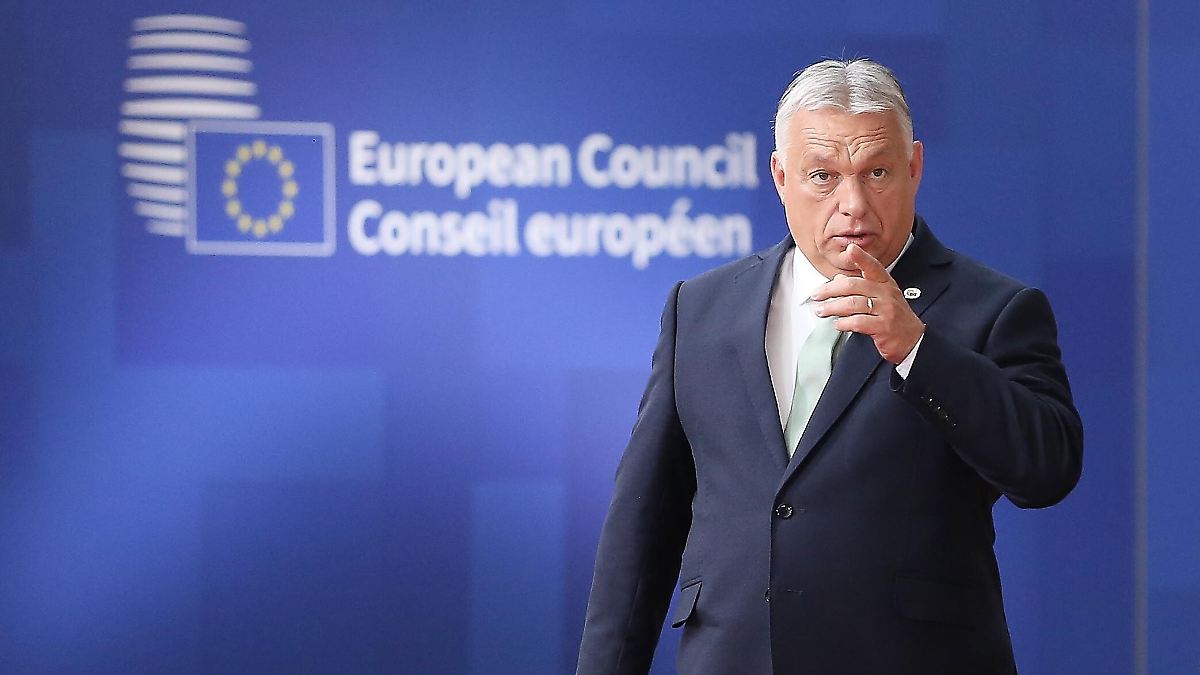
Hungary’s Political Shift: Péter Magyar’s Victory and the Release of Ukraine Aid
Péter Magyar’s election victory in Hungary triggers a geopolitical pivot. By releasing blocked Ukraine credits and investigating the destruction of state records under Viktor Orbán’s administration, Magyar is dismantling a legacy of EU obstructionism to realign Budapest with Brussels and Kyiv in a high-stakes regional shift.
For years, Budapest functioned as the European Union’s primary internal disruptor. The “Orbán Blockade” was not merely a diplomatic nuisance. it was a strategic bottleneck that weaponized the EU’s consensus-based decision-making process to stall critical military and financial aid to Ukraine. The removal of Viktor Orbán from power removes what has been described as Ukraine’s “biggest nemesis in Europe.”
This is more than a change in leadership. It is a systemic reset of Central European security architecture.
The €90 Billion Financial Unblocking
The immediate priority for the Magyar administration is the release of the €90 billion loan for Ukraine, a funding package that Viktor Orbán had stubbornly refused to approve. This blockade left Kyiv in a precarious financial position and forced EU leaders to accuse the Hungarian government of betrayal. With Berlin now expecting the immediate release of these funds, the liquidity crisis facing Ukraine’s defense and reconstruction efforts is poised to ease.
The sudden influx of capital into the region creates a massive logistical and administrative vacuum. As these funds move from Brussels through Budapest to Kyiv, the complexity of oversight and compliance will skyrocket. Multinational firms and NGOs tasked with the actual deployment of this capital are already seeking vetted financial advisors to manage the cross-border volatility and ensure that the funds reach their intended targets without being siphoned by the remnants of the old regime.
The financial stakes are staggering.
This realignment is being closely watched by global markets. According to analysis often mirrored by Bloomberg, the shift toward a pro-EU Hungary could trigger a surge in Foreign Direct Investment (FDI) as the “illiberal” risk premium associated with the Orbán era evaporates.
Institutional Chaos and the “Paper Trail” Purge
While the diplomatic mood is celebratory in Brussels, the internal situation in Budapest is turning litigious. Péter Magyar has leveled serious accusations against former Orbán ministers, alleging the systematic destruction of official state files. This attempt to erase the administrative record is a classic move to shield officials from future prosecution and hide the mechanics of state capture.
For international corporations operating within Hungary, this “document purge” is a nightmare. Legal certainty is the bedrock of investment; when state archives vanish, contracts, permits, and regulatory agreements become vulnerable. The resulting legal instability is forcing enterprises to engage international trade lawyers to audit their existing agreements and secure their legal standing before the new administration begins its purge of the previous bureaucracy.
“The defeat of Orban removes Ukraine’s biggest nemesis in Europe,” marking a definitive end to the era of strategic obstruction within the EU’s borders.
The New Geopolitical Chessboard: From Moscow to Mar-a-Lago
The ripple effects of Magyar’s victory extend far beyond the EU’s borders. The Kremlin has expressed a cautious hope that it can maintain “good relations” with Hungary, despite the regime change. Moscow viewed Budapest as its primary Trojan horse within NATO and the EU. The loss of this leverage significantly diminishes Russia’s ability to fracture Western unity from the inside.

Though, the transition is not without friction. The tension is evident in the rhetoric coming from the United States, where JD Vance has slammed comments made by President Zelenskyy regarding Orban ahead of the Hungarian elections. This suggests that while the EU is celebrating, some factions within the U.S. Political landscape still view the Orbán era as a necessary counterweight to current Ukrainian leadership.
The shift in sentiment is most visible in the immediate actions of Kyiv. Ukraine has already lifted its travel warning for Hungary, signaling a rapid normalization of bilateral relations. This move facilitates a renewed flow of diplomatic and commercial traffic between the two nations, which had been frozen under the previous administration’s hostility.
But stability is an illusion in a transition this volatile.
The intersection of Russian interests, U.S. Political division, and EU integration means that Hungary remains a high-risk zone for geopolitical volatility. Global firms are now onboarding elite risk consultants to map out the new power dynamics in Budapest and assess how the “Magyar Pivot” will affect supply chains and security protocols in the Danube region.
As analyzed in publications like Foreign Affairs, the ability of the EU to maintain a unified front depends on whether new member governments can resist the gravitational pull of external disruptors. Hungary is the litmus test for this resilience.
The fall of the Orbán administration is not just a victory for Hungarian democracy; it is a strategic windfall for the Atlantic alliance. By removing the primary roadblock to Ukrainian aid and signaling a return to the European fold, Budapest has shifted the center of gravity in Central Europe. However, the destruction of state records and the lingering influence of pro-Russian sentiment imply the transition will be messy, litigious, and unpredictable.
Navigating this new era requires more than just diplomatic hope—it requires precise legal and financial navigation. Whether you are managing assets in a transitioning economy or restructuring supply lines in a post-blockade Europe, the World Today News Directory remains the definitive resource for finding the international legal, financial, and consulting partners needed to survive the shift in the global chessboard.
Worth a look
- Protests and looting break out across European cities
- Ilaria Salis calls for cooperation during visit to Beijing
- Starlink or Starshield? The Label Decides Who Can Lift Ukraine's Cap (daybreakwire.com)
- Elon Musk Attributes Starlink Restrictions in Ukraine to Terms of Service Violations (newsdirectory3.com)