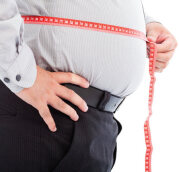
How to Lose Holiday Weight Fast: Return to Normal Diet and Activity
Following the holiday, many individuals are observing a temporary increase in weight attributed to the high-calorie consumption characteristic of traditional festive meals. Clinical data suggests that this rapid fluctuation is often driven by physiological responses to sodium and carbohydrate intake rather than immediate adipose tissue accumulation.
- Rapid post-holiday weight gain is frequently caused by water retention due to high sodium and carbohydrate intake, not necessarily an immediate increase in body fat.
- Extreme fasting or aggressive dietary restriction is clinically discouraged; returning to a balanced, pre-holiday nutritional and activity baseline is the recommended standard of care.
- Sustainable weight management, as supported by the Centers for Disease Control and Prevention (CDC), relies on consistent physical activity and gradual caloric adjustment rather than short-term, intensive interventions.
Physiological Mechanisms of Post-Holiday Weight Gain
The caloric density of traditional holiday foods presents a significant challenge to weight maintenance. According to data from the Food Safety Korea, a single serving of six pieces of sesame songpyeon contains 336 kcal, exceeding the 300 kcal found in a standard bowl of rice. Other common items such as japchae (204 kcal per 150g), pumpkin pancakes (208 kcal per 150g), and braised short ribs (495 kcal per 250g) contribute to a substantial daily caloric surplus when consumed in the grazing patterns common during the holiday.
However, the rapid increase observed on a scale shortly after the holiday does not represent an equivalent gain in fat mass. The study observed no statistically significant change in body fat percentage, and participants returned to their baseline weight within approximately five days of resuming normal dietary habits.
Risks of Aggressive Weight Loss Interventions
The practice of “rapid weight loss” following a period of overindulgence—often involving starvation or the severe restriction of macronutrients—can be counterproductive to metabolic health. Medical professionals advise against these methods, noting that the most effective strategy is the immediate stabilization of eating patterns. By shifting focus back to nutrient-dense whole foods and reducing the consumption of processed items, soups, and high-fat pancakes, individuals can naturally facilitate the excretion of excess sodium and the normalization of fluid balance.
Standardized Approaches to Physical Activity
Restoring physical activity levels is as critical as nutritional stabilization. The CDC recommends that adults engage in at least 150 minutes of moderate-intensity aerobic activity per week, supplemented by at least two days of muscle-strengthening exercises. Rather than attempting high-intensity, short-term exercise regimens, individuals are encouraged to reintegrate daily movement, such as brisk walking after meals, to support metabolic homeostasis.
Clinical evidence indicates that gradual weight management remains the most effective path to long-term success. The CDC reports that individuals who achieve a weight loss of 0.45 to 0.9 kg per week through a combination of balanced diet, consistent physical activity, and adequate sleep demonstrate higher rates of weight maintenance compared to those who pursue rapid, aggressive reduction strategies.
Disclaimer: The information provided in this article is for educational and scientific communication purposes only and does not constitute medical advice.