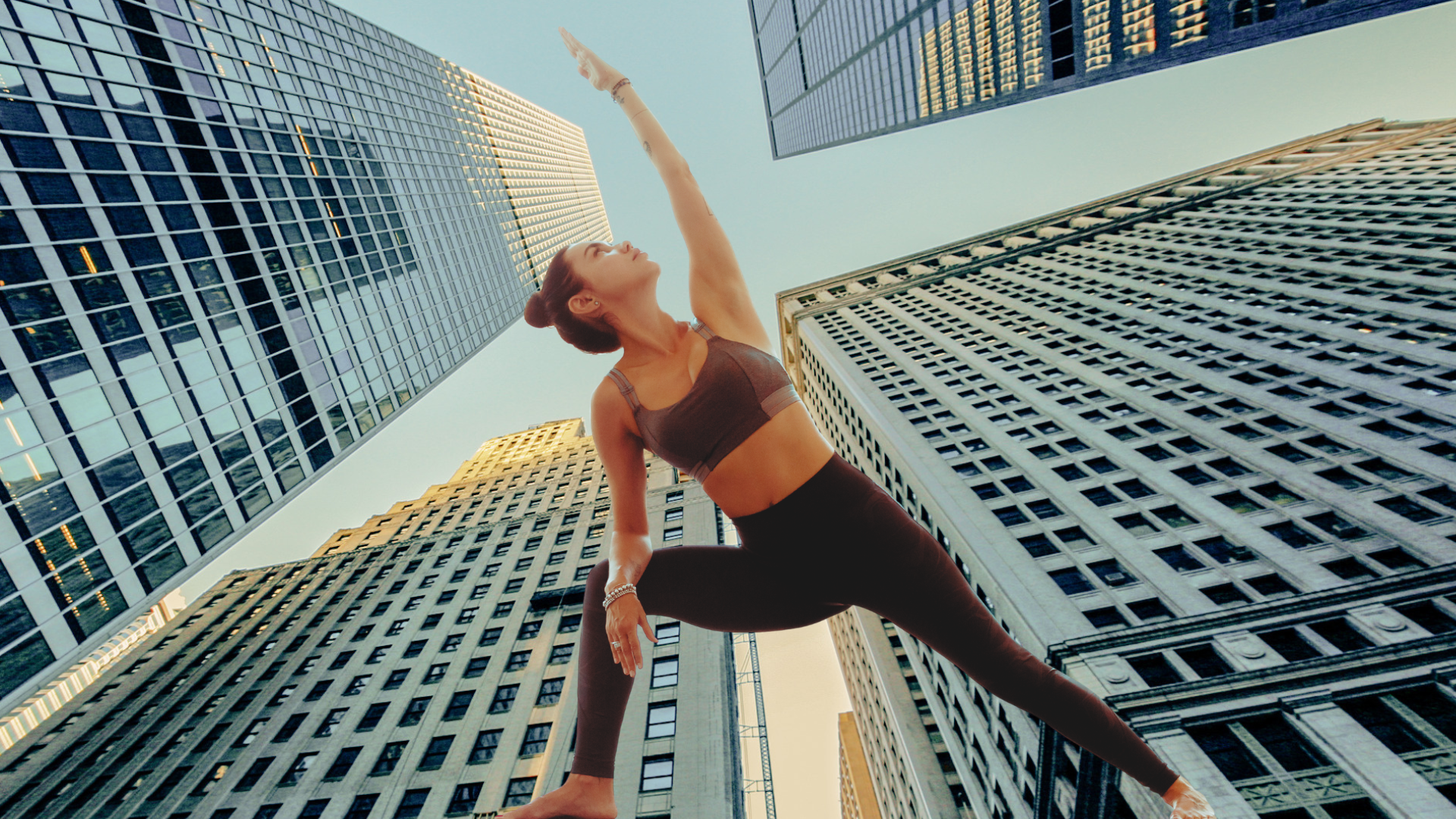
How to Improve Your Balance in Yoga and Life
Achieving stability in physical movement and daily life requires a deliberate mastery of body awareness, muscular engagement, and mental focus, according to instructional guidance from yoga practitioners. Foundational balance training directly impacts postural control, with benefits that extend beyond the mat into daily life. This approach to equilibrium emphasizes body awareness and mental focus, aiming to create a sense of balance within oneself.
Key Takeaways:
- Foundational standing postures establish a stable base of support by distributing weight evenly across the plantar surface of the feet and engaging core musculature.
- Regular integration of breath control and targeted muscular alignment reduces postural sway, translating to enhanced stability during daily activities.
Establishing Grounded Alignment in Mountain Pose
Building a reliable center of gravity starts from the ground up. According to instructional guidance outlined by The Yoga Nomads, stability training begins with foundational standing postures like Mountain Pose. Instructors utilize specific biomechanical cues to optimize postural alignment, instructing practitioners to ground down through all four quadrants of the feet and shift weight systematically to locate a true center. Core engagement is achieved by drawing the navel inward and tucking the pelvis slightly under, which neutralizes the lumbar spine. Quadriceps activation and adductor engagement through the inner thighs lock the lower kinetic chain into position, while the crown of the shoulders and head extend upward along a vertical axis. This initial setup recruits prime movers and deep stabilizers alike, setting the physiological baseline required for more complex single-leg maneuvers.
Enhancing Neuromuscular Control Through Single-Leg Stances
Tree Pose serves as a primary model for testing weight distribution while sparing vulnerable joints, according to The Yoga Nomads. Practitioners shift their weight entirely into a single standing leg while elevating the contralateral limb, placing the sole against the inner calf or thigh rather than pressing directly into the lateral knee joint, which protects the collateral ligaments from undue lateral shear stress. Arm positioning acts as a variable lever; bringing hands into a midline prayer position connects bilateral motor control, whereas reaching overhead with wide fingers alters the center of mass, forcing the ankle stabilizers and intrinsic foot muscles to work harder to prevent postural drift.
Future Trajectory of Proprioceptive Research
Disclaimer: The information provided in this article is for educational and scientific communication purposes only and does not constitute medical advice. Always consult with a qualified healthcare provider regarding any medical condition, diagnosis, or treatment plan.