
UN General Assembly Grapples with competing Crises, Shifting Focus from Conventional Security Concerns
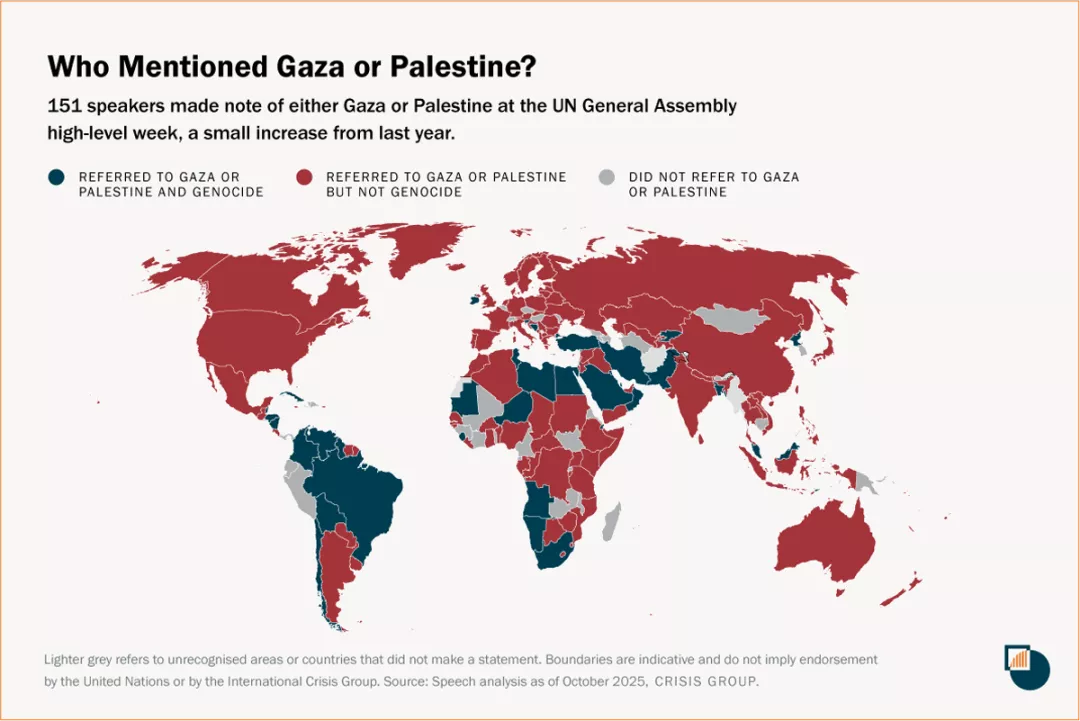
NEW YORK – The 79th session of the United Nations General assembly, concluding in late september 2024 and extending into early 2025, revealed a significant shift in the international spotlight, as escalating conflicts and emerging global challenges increasingly overshadowed traditional peace and security issues.While long-standing concerns like the Israeli-Palestinian conflict and the situation in Lebanon remained present, the Assembly’s agenda was dominated by the war in Ukraine, the humanitarian crisis in Sudan, and the growing impacts of climate change, forcing a re-evaluation of priorities and straining the UN’s capacity for effective response.
This broadening of focus reflects a world grappling with interconnected crises, where traditional notions of national security are increasingly challenged by transnational threats. The competition for attention within the UN system has implications for resource allocation, diplomatic efforts, and ultimately, the ability to prevent and resolve conflicts. As the UN attempts to address a wider range of challenges, concerns are rising about whether it can maintain its effectiveness in addressing any single issue, perhaps leaving vulnerable populations at greater risk.
The situation in Lebanon, specifically along the border with israel, continued to demand attention. UNIFIL, the UN Interim Force in Lebanon, maintained patrols near the border throughout August 2025, operating amidst destroyed buildings in villages like Kfar Kila. despite ongoing efforts, the underlying tensions remained unresolved, illustrating the difficulty of sustaining focus on protracted conflicts when new emergencies arise.
Israeli Prime Minister Benjamin Netanyahu‘s address to the General Assembly on September 27, 2024, underscored the complexities of navigating these competing priorities. Netanyahu vowed to counter what he termed “slanders” at the UN, prompting immediate walkouts from numerous delegates, highlighting the deep divisions surrounding the Israeli-palestinian conflict and the challenges of achieving consensus on sensitive issues.
the surge in global crises is forcing the UN to adapt its approach to peacekeeping and conflict resolution. Experts at the Crisis Group note that the organization must find ways to address multiple conflicts simultaneously, while also investing in preventative diplomacy and addressing the root causes of instability. The coming months will be critical in determining whether the UN can effectively navigate this new landscape and maintain its relevance in a rapidly changing world.
