How the Roosevelt Africa Trail Connects North Dakota and Uganda Economy
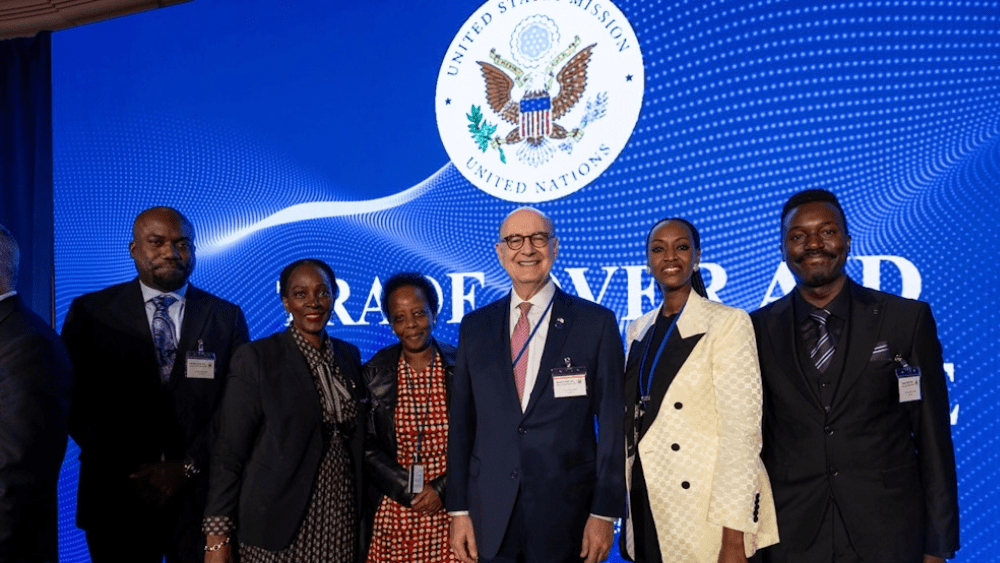
The announcement of a US$1.2 billion Uganda investment pipeline for the Roosevelt Africa Trail under the U.S. Trade Over Aid framework connects North Dakota’s historic ties to Theodore Roosevelt with modern economic opportunities in East Africa, creating prospective export demand for American equipment, technology, and professional services.
Connecting North Dakota to East Africa Through the Roosevelt Heritage
North Dakota serves as a natural American anchor for the Roosevelt Africa Trail. Theodore Roosevelt’s formative years in the North Dakota Badlands shaped his conservation outlook and public life, while his subsequent 1909–1910 expedition through East Africa established a historical bridge to Uganda, Kenya, and South Sudan. Today, Medora and the Theodore Roosevelt Presidential Library provide the physical platform to unite these chapters through commerce and tourism.
As individual projects inside Uganda’s $1.2 billion investment pipeline advance toward feasibility and implementation, they generate tangible demand for U.S. engineering, agricultural technology, infrastructure solutions, digital technology, and specialized equipment. For the broader Midwest, this framework unlocks direct access to an emerging East African market.
Agricultural Innovation and Supply Chain Integration
Agriculture forms a primary commercial bridge between North Dakota and East Africa. North Dakota brings deep expertise in commercial farming, food processing, agricultural machinery, commodity logistics, and ag-tech, while Uganda provides a vast agricultural production base.
The Roosevelt Africa Safari Coffee initiative highlights this collaborative model. Uganda handles primary agricultural production, while American enterprises participate across processing technology, equipment, packaging, logistics, branding, and distribution. This structure allows Uganda to capture greater value from its domestic production while opening new customer bases for American agricultural suppliers and service providers.
Tourism and Two-Way Economic Development
The shared Roosevelt heritage also fosters mutual tourism opportunities across continents. The Trail introduces international travelers to North Dakota, Medora, and the Badlands, while encouraging U.S. visitors to extend their journeys along the African segment of the Trail through Uganda.

International visitors stimulate local spending across hotels, restaurants, retail, and transportation, distributing economic benefits directly to small businesses and local communities in North Dakota. The Theodore Roosevelt Presidential Library in Medora anchors this international narrative, linking the Badlands with Uganda’s Trail sites including Lake Victoria, Entebbe, Kampala, Buganda, Bunyoro-Kitara, Budongo Forest, Murchison Falls, the Albert Nile, Rhino Camp, Ajai Wildlife Reserve, and the West Nile region.
Financing Exports Through the Trade Over Aid Framework
Financing remains a critical component for turning international project pipelines into domestic export orders. The Trade Over Aid framework provides a potential pathway through the Export-Import Bank of the United States (EXIM).
As individual projects along the Trail reach bankable status, EXIM can potentially support eligible exports of U.S.-manufactured equipment, technology, and services into Uganda, subject to standard eligibility and due-diligence evaluations. This mechanism assists regional companies that possess internationally competitive capabilities but require structured export-finance support to enter developing markets.
Ultimately, this corridor initiative translates international infrastructure and agricultural development into practical outcomes: new overseas customers for Midwestern firms, additional export orders, and sustained economic activity supporting American workers as commercial relationships deepen between North Dakota and East Africa.