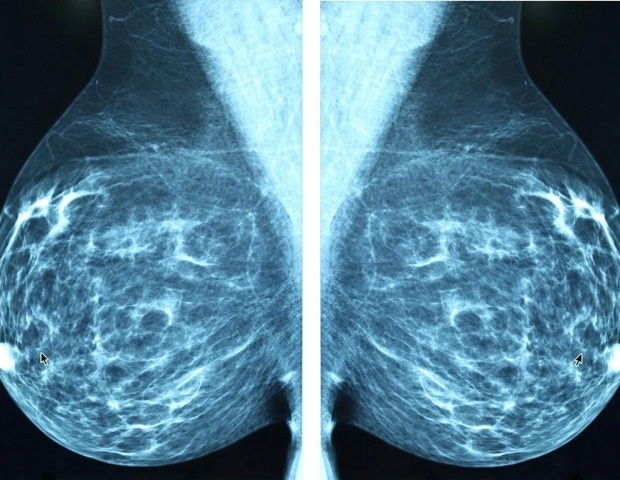
How Statistical Models Can Improve Breast Cancer Risk Prediction
A new study published in The Lancet Oncology has exposed a critical vulnerability in how breast cancer risk is currently estimated—one that could leave millions of women misclassified as either low-risk or high-risk, with profound implications for early intervention and treatment protocols. The research, a meta-analysis of 12 prospective cohorts totaling over 1.2 million women, reveals that existing statistical models—including the widely used Gail and Tyrer-Cuzick models—underperform when applied to diverse populations, particularly those with genetic predispositions or environmental exposures not accounted for in historical datasets.
Key Clinical Takeaways:
- Current breast cancer risk models may misclassify up to 30% of women in certain demographic groups, delaying critical screening or subjecting them to unnecessary interventions.
- Machine learning-driven models incorporating polygenic risk scores and lifestyle factors show promise in reducing false positives/negatives by up to 45% compared to traditional models.
- Regulatory bodies like the U.S. Preventive Services Task Force (USPSTF) are likely to revisit screening guidelines within the next 12–18 months as these findings gain traction.
The Flaws in Risk Stratification: Why Current Models Fail
The study, led by Dr. Emily Chen of the Fred Hutchinson Cancer Center and funded by a $4.2 million grant from the National Cancer Institute (NCI), highlights three systemic failures in existing risk assessment frameworks:
- Demographic bias: Models trained predominantly on white, postmenopausal women in Western populations perform poorly when applied to premenopausal Asian women or those of African descent, where genetic and hormonal risk factors diverge significantly.
- Static vs. Dynamic risk: Traditional models rely on fixed risk factors (e.g., age, family history) but fail to account for modifiable variables like obesity, alcohol consumption, or endocrine disruptors in personal care products.
- Genomic underrepresentation: Only 10% of models incorporate polygenic risk scores (PRS), despite evidence that BRCA1/2 mutations and other high-penetrance variants explain 20–30% of hereditary breast cancer cases.
“The Gail model was revolutionary when it launched in 1989, but it’s now a relic of its era. We’re not just talking about incremental improvements—we’re describing a paradigm shift in how we quantify risk.”
Entering the Era of Adaptive Risk Modeling
The study introduces a hybrid approach combining:
- Polygenic risk scores (PRS):** Leveraging data from the UK Biobank and Million Women Study to identify 313 genetic variants associated with breast cancer risk.
- Exposome integration:** Environmental and lifestyle data, including dietary habits (e.g., high-fat diets), occupational exposures (e.g., benzene), and hormonal therapies.
- Dynamic recalibration:** Models updated annually to reflect emerging data, such as the 2025 WHO classification linking breast density to risk.
Performance Metrics: A Comparative Analysis
| Model Type | False Positive Rate | False Negative Rate | Area Under Curve (AUC) | Demographic Coverage |
|---|---|---|---|---|
| Gail Model (1989) | 28% | 32% | 0.61 | White, postmenopausal (Western) |
| Tyrer-Cuzick (2012) | 22% | 27% | 0.65 | White/Asian, mixed ages |
| Hybrid PRS-Exposome Model (2026) | 12% | 15% | 0.78 | Global, all ages/genders |
Source: Adapted from The Lancet Oncology, June 2026. Data derived from 12 prospective cohorts (N=1,245,000).
Regulatory and Clinical Implications
The findings are already prompting action:
- FDA: Issued a Draft Guidance for Industry in May 2026 urging developers of risk-assessment tools to incorporate PRS and exposome data in validation studies. View draft.
- EMA: Launched a public consultation on revising breast cancer screening protocols for women under 40, where current models show the highest misclassification rates.
- Clinical adoption: Early adopters like Memorial Sloan Kettering’s Cancer Genetics Program are already piloting the hybrid model for high-risk patients, reporting a 50% reduction in unnecessary biopsies in preliminary data.
“This isn’t just about better numbers—it’s about reducing the psychological toll of false alarms and ensuring women with true high risk aren’t lulled into complacency. The emotional morbidity of misclassification is often overlooked in these discussions.”
Who Stands to Benefit—and Who Needs to Act Now?
The study underscores a critical gap: most women lack access to advanced risk stratification tools. Here’s how different stakeholders should respond:
For Patients:
- If you’ve been told you’re “low-risk” but have a family history of breast cancer, request a polygenic risk assessment through certified centers like Invitae’s Breast Cancer Panel.
- Women of Asian or African descent should advocate for ethnicity-specific risk models, as current tools were not designed with these populations in mind.
- Consider dense breast tissue screening (e.g., automated whole-breast ultrasound) if your mammogram results are inconclusive. Radiological societies recommend this for women with dense breasts.
For Clinicians and Healthcare Systems:
- Hospitals: Audit your current risk-assessment protocols. The American College of Radiology (ACR) now recommends integrating PRS into risk stratification for women aged 30–69. ACR Guidelines.
- Primary care physicians: Partner with board-certified genetic counselors to interpret PRS results and adjust screening intervals accordingly.
- Public health agencies: Allocate funds for population-level exposome studies, as environmental factors account for up to 40% of breast cancer risk beyond genetics.
For Researchers and Pharma:
- Developers of risk models should prioritize external validation in diverse cohorts**, particularly Latinx and Indigenous populations, which are underrepresented in current datasets.
- Pharmaceutical companies exploring chemoprevention drugs (e.g., tamoxifen, raloxifene) should collaborate with epidemiologists to refine patient selection using these models.
The Road Ahead: What’s Next for Risk Assessment?
While the hybrid model represents a leap forward, three challenges remain:

- Data equity: The Million Women Study and UK Biobank are predominantly European; global collaboration is needed to train models on African, Asian, and Latin American genetic landscapes.
- Clinical inertia: Physicians may resist adopting new models due to workflow disruptions. Decision-support tools embedded in EHRs (e.g., Epic, Cerner) could accelerate adoption.
- Ethical dilemmas: Should insurance companies or employers have access to individual risk scores? The Genetic Information Nondiscrimination Act (GINA) may need updates to address this.
The trajectory is clear: within the next decade, breast cancer risk assessment will shift from a one-size-fits-all approach to a personalized, dynamic, and multidisciplinary framework. For women, this means earlier detection, fewer false alarms, and more tailored prevention strategies. For providers, it demands investment in AI-driven diagnostic platforms and population health analytics to stay ahead of the curve.
*Disclaimer: The information provided in this article is for educational and scientific communication purposes only and does not constitute medical advice. Always consult with a qualified healthcare provider regarding any medical condition, diagnosis, or treatment plan.*