
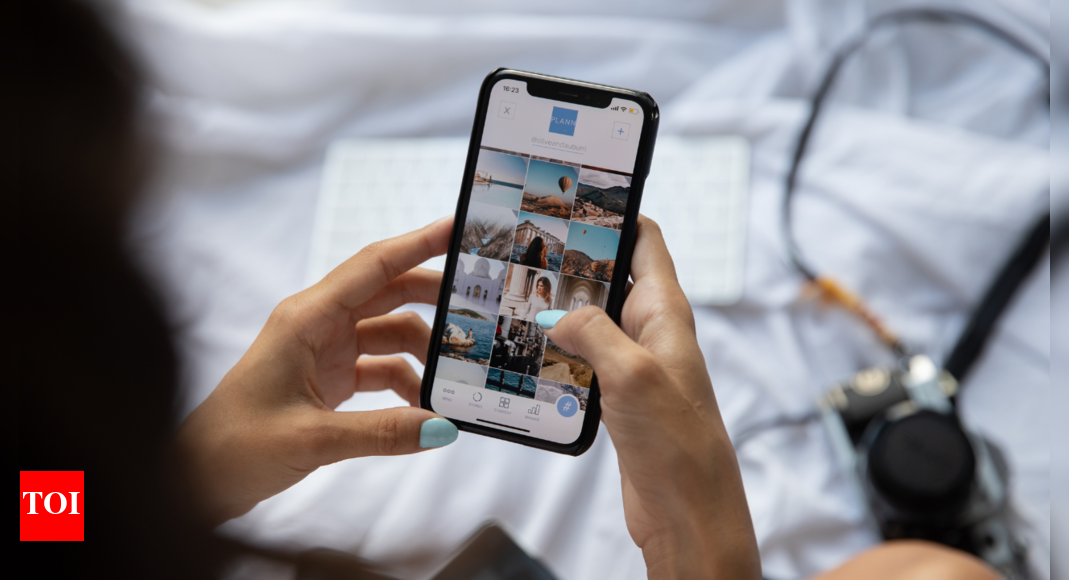
Smartphones Harm Mental Health, Studies Reveal
Constant Connectivity Linked to Increased Anxiety and Poor Sleep
Our reliance on smartphones has become a constant companion, but mounting evidence suggests this digital immersion may be significantly impacting our psychological well-being. Research indicates a strong correlation between extensive smartphone use and detrimental effects on mental health.
New Research Highlights Digital Distress
A recent study published in the *International Journal of Environmental Research and Public Health* by Khan et al. explored the connection between smartphone habits and mental health in 655 adults aged 18 to 59. Participants who reported high to severe levels of smartphone usage also experienced notably higher rates of anxiety, depression, and stress, alongside diminished sleep quality.
The research classified smartphone usage into low, moderate-high, and high-severe categories using scales like the Mobile Phone Problem Use scale (MPPUS), DASS-21, and Pittsburgh Sleep Quality Index (PSQI). Shockingly, 24.4% of participants fell into the high-severe usage bracket, demonstrating a dose-dependent relationship where problematic phone use directly correlated with greater psychological distress.
Early Smartphone Use Fuels Long-Term Decline
Further research, including a study titled “Early smartphone ownership tied to long-term mental health decline,” suggests that even early exposure to smartphones can have lasting consequences. Dr. Tara Thiagarajan, founder and chief scientist of Sapien Labs, stated:
“Our evidence suggests childhood smartphone ownership, an early gateway into AI-powered digital environments, is profoundly diminishing mind health and wellbeing in adulthood with deep consequences for individual agency and societal flourishing.”
—Dr. Tara Thiagarajan, Founder and Chief Scientist of Sapien Labs
This analysis, which examined data from over 100,000 individuals aged 18-24 across 40 countries, found that those who received their first smartphone before age 13 were more prone to experiencing poor mental health in early adulthood. This pattern was consistent globally, irrespective of language or region.
Understanding the Contributing Factors
Several factors were identified as mediating influences on mental well-being due to smartphone use. Social media engagement was linked to approximately 40% of the negative impact, while poor sleep accounted for about 12%. Dysfunctional family relationships contributed around 13%, and cyberbullying was associated with 10% of the observed decline.
Navigating Digital Well-being
Parents and stakeholders are encouraged to implement strategies to foster healthier relationships with technology. These include delaying smartphone introduction until children demonstrate readiness, promoting media literacy in educational settings, and encouraging offline social interactions and consistent sleep routines.
Individuals can also take proactive steps to reduce their screen time. Simple measures like disabling non-essential notifications, setting screen time limits, scheduling dedicated periods for social media use, and prioritizing time with family and friends can make a significant difference.
A recent report by Statista indicated that the average person globally spends nearly 7 hours per day on their phone (Statista, 2024), highlighting the widespread nature of this digital engagement. While complete abstinence from mobile phones is impractical for most, cultivating mindful usage habits is crucial for maintaining mental and emotional health.
