How Sleep and Exercise Mitigate Heart Disease Risk From Blood Mutations
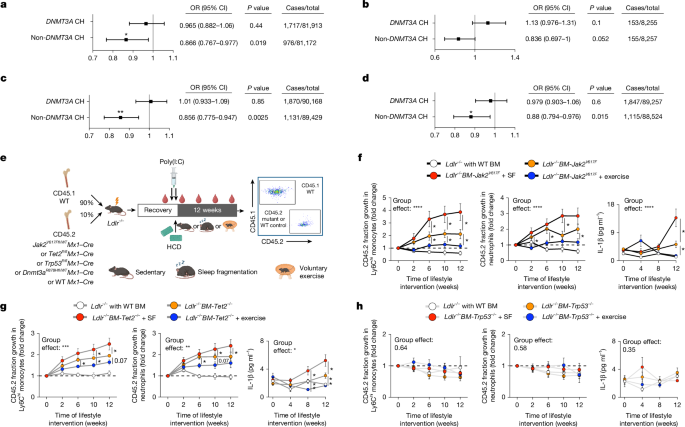
Clonal haematopoiesis of indeterminate potential (CHIP)—a condition where blood stem cells acquire specific genetic mutations—significantly increases the risk of cardiovascular disease, but recent research indicates that lifestyle interventions like consistent sleep and exercise can dampen this inflammatory pathway. A study published in the journal Nature on June 5, 2026, identifies how these behavioral factors modulate the expression of mutant white blood cells, effectively lowering the systemic morbidity associated with these genetic markers.
Key Clinical Takeaways:
- Sleep and exercise act as biological modifiers that suppress the inflammatory signaling pathways triggered by CHIP mutations.
- The protective effects are mutation-specific, suggesting that lifestyle prescriptions may eventually be tailored to an individual’s genomic profile.
- Clinical management of cardiovascular risk now requires a dual approach: monitoring for clonal expansion while optimizing metabolic and sleep hygiene.
Understanding the Pathogenesis of CHIP-Related Cardiovascular Risk
CHIP occurs when hematopoietic stem cells undergo somatic mutations—most commonly in genes such as DNMT3A, TET2, and ASXL1—leading to the expansion of mutant cell clones. While these mutations are not malignant in the oncological sense, they are linked to an accelerated rate of atherosclerosis and ischemic heart disease. According to the research published in Nature, these mutations promote a pro-inflammatory state in myeloid cells, which accelerates plaque formation within arterial walls.
The study, funded by the National Institutes of Health (NIH) and various European research grants, utilized a combination of mouse models and human longitudinal data to isolate how environmental stressors influence these cells. Researchers found that disrupted sleep cycles and sedentary behavior exacerbate the inflammatory output of TET2-mutant cells, effectively accelerating the standard of care markers for cardiovascular morbidity. For patients who suspect they carry these markers, identifying the specific mutation is the first step in risk stratification. It is imperative to consult with board-certified hematologists and cardiovascular specialists to determine if such genetic predispositions are driving current arterial inflammation.
How Exercise and Sleep Modulate Genetic Expression
The biological mechanism appears to involve the regulation of glucocorticoid signaling and cytokine production. When sleep is sufficient and physical activity is regular, the body maintains a lower baseline of systemic inflammation, which prevents the “over-activation” of mutant myeloid cells. Per the data, exercise acts as a physiological buffer, reducing the circulating levels of inflammatory cytokines that these mutations would otherwise trigger.
“We are moving toward a future where lifestyle isn’t just general advice, but a precision medicine intervention. By modulating the systemic environment, we can fundamentally change how a genetic mutation manifests in the vascular system,” notes Dr. Elena Rossi, an independent researcher in molecular cardiology not involved in the original study.
This suggests that for individuals with identified mutations, the standard of care should shift toward aggressive, evidence-based lifestyle management. For those navigating this new diagnostic landscape, access to preventative cardiology centers is critical for integrating exercise physiology into a broader cardiovascular health plan.
Comparing Behavioral Impact Across Different Mutations
The study highlights that not all mutations respond identically to lifestyle changes. The research team contrasted the responses of TET2-mutant cells against DNMT3A-mutant cells, finding that TET2-driven inflammation is particularly sensitive to sleep duration. This nuance is vital for clinicians who are tasked with prioritizing which patients need more intensive behavioral coaching versus pharmacological intervention.

While the findings are promising, they do not replace the need for traditional medical management. The research underscores that lifestyle interventions serve as a co-therapy. For clinics and healthcare providers managing high-risk populations, the emergence of this data necessitates a shift in patient intake protocols. Healthcare compliance teams should review current diagnostic and patient counseling workflows to ensure they incorporate these findings into standard cardiovascular risk assessments.
Future Trajectory and Clinical Implementation
The next phase of this research will likely focus on large-scale, double-blind placebo-controlled trials to determine the exact “dosage” of exercise and sleep required to suppress clonal expansion in human populations. Until these guidelines are formalized, the focus remains on early detection and mitigation. As the medical community refines its understanding of the gene-environment interaction, the role of specialized diagnostic centers will grow in importance.
Patients with a family history of premature cardiovascular events should discuss the potential for CHIP testing with their primary care providers. As the integration of genomic data into routine clinical practice becomes the standard, the ability to interpret these results will define the next generation of cardiovascular care. Healthcare providers looking to update their clinical protocols should connect with genomic health consultants to ensure they are providing the most current evidence-based care to their patients.
Disclaimer: The information provided in this article is for educational and scientific communication purposes only and does not constitute medical advice. Always consult with a qualified healthcare provider regarding any medical condition, diagnosis, or treatment plan.