
How Housing Voucher Distribution Fuels Segregation in Connecticut Towns
Connecticut towns retain voucher distribution
Most Connecticut towns have declined to change how housing vouchers are distributed, leaving systemic housing segregation largely intact across the state, CT Mirror reported.
The Tech TL;DR:
- Section 8 vouchers have historically concentrated in high-poverty zones due to regional averaging formulas.
- Small area fair market rents use ZIP codes instead of broad regions to calculate voucher values.
- Only Hartford, Fairfield, and Stratford have adopted the ZIP-code calculation method.
Open Communities Alliance findings on segregation
A May report from the Open Communities Alliance examined how housing choice vouchers, also known as Section 8, are distributed across the state. Sasha Allen, speaking on WSHU’s collaborative podcast Long Story Short with Ebong Udoma, noted that the report found vouchers concentrated in higher poverty areas with worse schools and lower air quality.
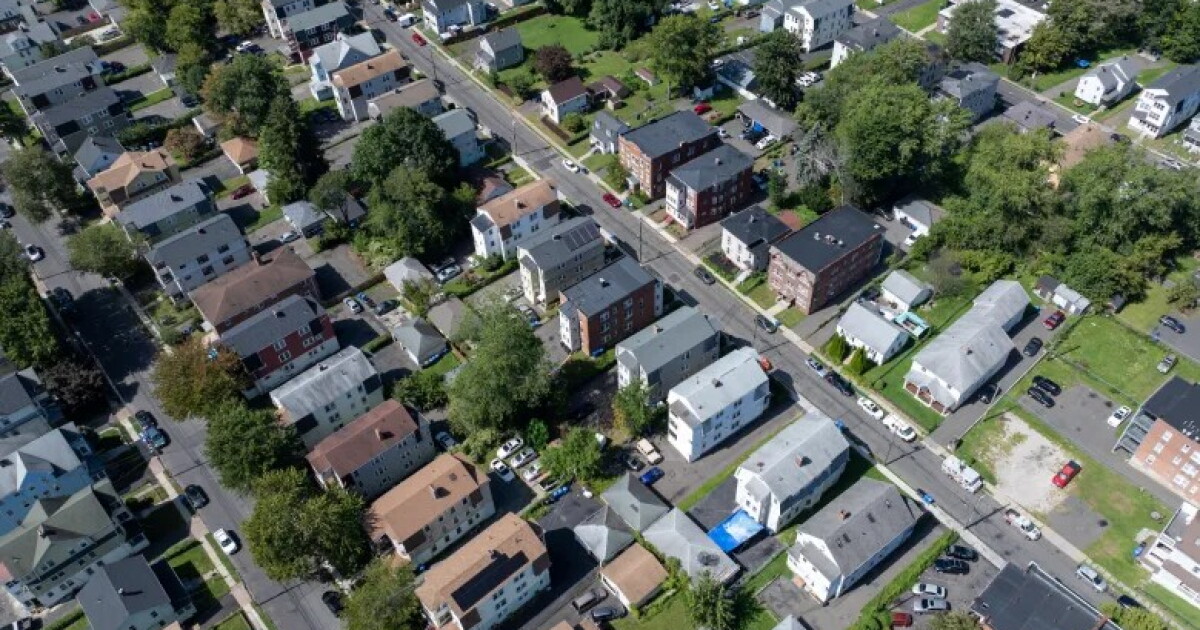
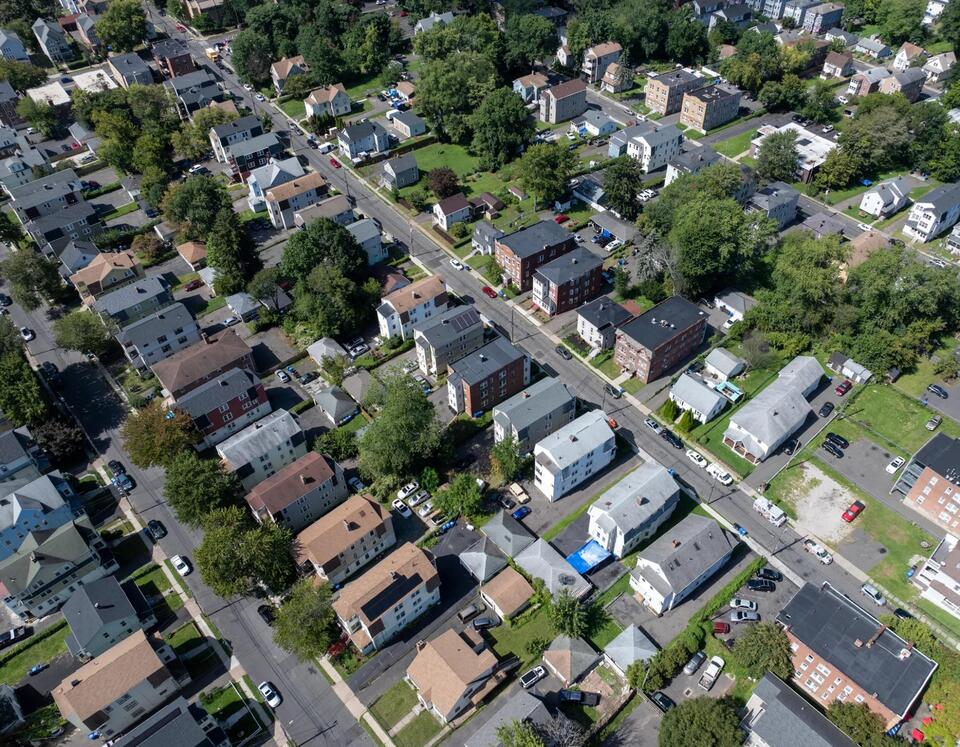
The report attributed this segregation to voucher values and administrative barriers. A Connecticut Mirror analysis of vouchers distributed in 2026 by ZIP code elicited similar outcomes, showing that around 50% of voucher holders in Connecticut lived in high-poverty census tracts.
Impact of the 2017 federal rule
A federal rule that took effect in 2017 under the Obama administration changed how vouchers were calculated in designated metro areas. Previously, vouchers were calculated using a wider region encompassing a large diversity of incomes, which set voucher rates too low for affluent areas.
The ruling created small area fair market rents, requiring certain metro areas to calculate voucher values based on ZIP code rather than region. This granular pricing allows for more movement within the system by reflecting accurate local rents.
Carol Martin, executive director of the Fairfield Housing Authority, said the change made a huge impact on local segregation driven by the markets. “It made a huge impact at least in Fairfield about the segregation that was really going on,” Martin said.
Adoption rates across Connecticut
While the Hartford metro area was required to adopt small area fair market rents in 2017, no other municipalities were mandated to follow. Only two local housing authorities, in Fairfield and Stratford, opted in voluntarily.
Erin Boggs, executive director of the Open Communities Alliance, noted that broader adoption requires state intervention. “The state housing authorities are a creature of state law, right? So the state gets to say a lot about, certainly their jurisdiction,” Boggs said.
Legislative outlook in the General Assembly
Lawmakers are divided on whether to mandate towns to change their voucher calculations. Housing Committee co-Chair Sen. Martha Marx expressed support for mandatory requirements, stating that mandates exist for a reason.
Conversely, Housing Committee ranking member Rep. Tony Scott favored targeting mandates toward the Department of Housing to use rental assistance in suburbs rather than imposing requirements directly on towns. The debate enters the legislative session as lawmakers weigh housing priorities.