UK Probate System Plagued by Fraud Ring
Millions stolen as weaknesses exposed in the system
A sophisticated criminal network is exploiting vulnerabilities within England’s probate system, potentially costing millions. Investigations reveal a pattern of fraudulent wills and tax evasion targeting the estates of deceased individuals, leaving bereaved families in turmoil.
Sisters’ Inheritance Vanishes
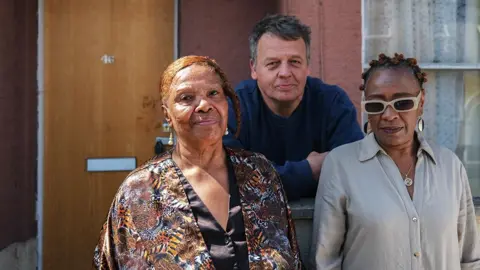
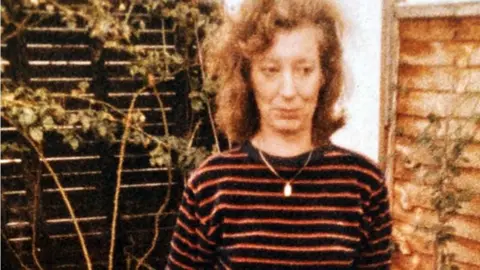
In late 2023, sisters Lisa and Nicole were informed of a sizable inheritance from their deceased aunt, Christine Harverson. However, this life-altering news was quickly overshadowed when a stranger appeared with a will naming him as the sole beneficiary.
The man, unknown to Christine’s family, surfaced unexpectedly with a will that designated him as the only heir to her entire estate. Suspicion grew quickly about the legitimacy of his claims, yet police and probate officials declined to investigate further.
Heir Hunters and “Dear Friends”
Sisters Lisa and Nicole were notified about the death of their aunt, Christine Harverson, whom they had not seen in many years. An “heir-finder” company, Anglia Research Services, alerted them to their potential inheritance, including a house in Wimbledon possibly worth nearly £1 million.
However, a Hungarian national named Tamas Szvercsok presented a will to the probate service, identifying himself as Christine’s “dear friend.”
This document declared him as the sole beneficiary and executor of her estate.
Despite these red flags, Lisa and Nicole were informed that they would need to pursue a costly civil action to challenge the will’s validity, a financial burden they couldn’t afford. Lisa expressed regret, stating: “All it’s done is bring misery really, and heartache. It’s just a whole nightmare.”
Bona Vacantia: A Criminal Resource?
Bona Vacantia, the government register of unclaimed estates, has become a valuable resource for criminals. In England and Wales, fraudsters can exploit this readily available online register to identify promising names and fabricate wills, swiftly claiming estates. As of 2023, over 6,000 estates remain unclaimed in the UK (Gov.uk).
Since 2017, the online probate application process has been criticized for failing to detect suspicious activity, therefore increasing the potential for tax fraud. While applicants must declare that inheritance tax has been addressed, the system largely relies on trust.
Another Case: The Estate of Charles Haxton
At the time of his death in 2021, Charles Haxton resided in Tooting, south London. Roye Chapman, a neighbor, recounted assisting Mr. Haxton after a fall.
Initially, no will was located for Mr. Haxton, and his details were listed on Bona Vacantia. Anglia Research then contacted his cousins, informing them of their potential inheritance. However, a will surfaced later, naming another Hungarian man, Roland Silye, as the sole beneficiary.
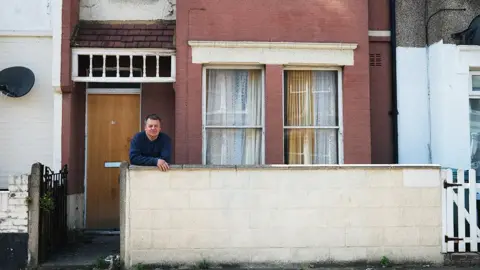
The will bequeathed Mr. Silye two properties, including Mr. Haxton’s London home and a house in Hertfordshire, collectively valued at approximately £2 million. However, Mr. Silye valued the estate at only £320,500.
The will also mentioned a Hertfordshire property that Mr. Haxton had never owned, raising suspicions. Despite concerns, the probate service approved the will without questioning the Hertfordshire property.
Neil Fraser, an heir-hunting company partner, believes Mr. Silye may have included the Hertfordshire property in an attempt to fake ownership.
Mr. Silye also cleared probate for the estate of George Woon, who passed away in 2021. Subsequently, Mr. Woon’s house was auctioned for £360,000.
A Criminal Network?
Financial fraud expert Graham Barrow found connections between Roland Silye and Tamas Szvercsok. Both men have Hungarian names and appear as directors in a web of interlinked companies. The address Mr. Szvercsok used in Mrs. Harverson’s will was also used by Mr. Silye for some companies.
These companies, some struck off for fraudulent addresses or warned for failing to provide accounts, suggest a criminal network, according to Mr. Barrow.
Another name, Bela Kovacs, was named heir to Michael Judd’s estate from Pinner, west London, according to a 2021 will.
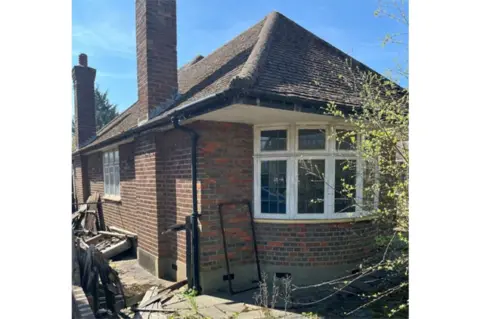
Neighbors described Mr. Judd as a talented individual who had become a hoarder. One neighbor, Chris, found it hard to believe that Mr. Judd would have made these decisions if he had made a will three years previously.
Handwriting Analysis
Handwriting expert Christina Strang suggests that the wills for Charles Haxton, George Woon, and others, appear to have been written by the same person. She also believes that the same individual may have forged witness signatures.
There are reports of Mrs. Harverson’s house being ransacked shortly after Mr. Szvercsok’s initial claim. Mr. Judd’s house was quickly emptied, and Mr. Haxton’s property was used as a cannabis farm after his death.
Justice System Response
Bank accounts linked to the suspected fraudsters have been suspended. HM Revenue & Customs (HMRC) intends to question Roland Silye about potential inheritance tax owed on Charles Haxton’s estate.
HMRC has also suspended the planned sale of Mr. Judd’s bungalow, while the dispute over Christine Harverson’s estate remains unresolved.
While the Ministry of Justice stated that it is “working with law enforcement to ensure criminals feel the full force of the law,”
others criticize the system.
Sir Bob Neill, former chair of the House of Commons Justice Select Committee, believes that an eagerness to cut costs has led to weaknesses which are now being exploited. Matt Boardman believes that moving the system online has eliminated opportunities to question executors.