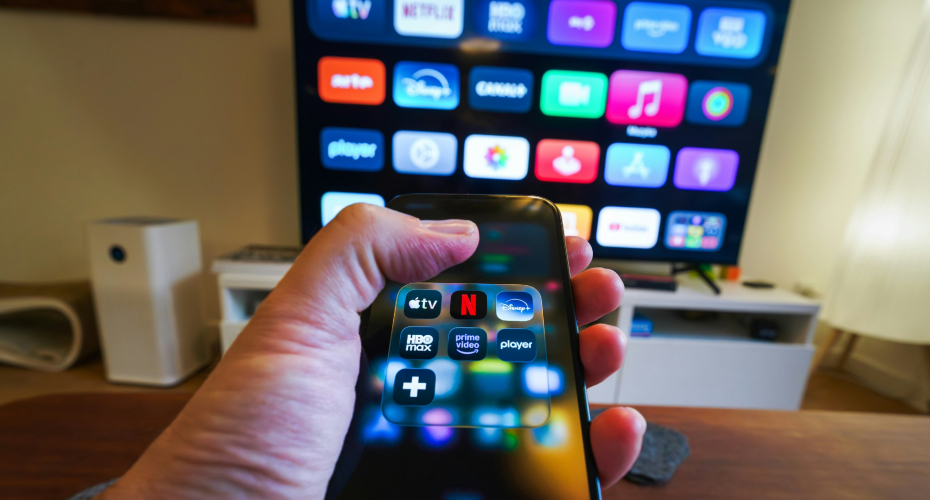
How Digital Platforms Redefine Moving Image Spectatorship
Streaming services like Netflix have transformed movie watching from a communal event into a personal, daily habit, a new book argues. Constantly Streaming: Digital Platforms, Touchscreens and Moving Image Spectatorship, by Dr Zlatina Nikolova, explores how this shift is changing viewer behaviour.
Streaming services have disrupted the media landscape by encouraging new modes of spectatorship, Dr Zlatina Nikolova, Lecturer in Film at the University of Exeter, writes in her new book. The appeal stems from extensive content collections, a viewing experience independent of the timetables for cinema showings and television programs, and the ability to watch on numerous gadgets.
How have streaming services changed viewing habits?
According to the book, Constantly Streaming, the rise of personalised tech devices and physical gestures like swiping and tapping have made the moving image an inseparable part of contemporary culture and society. The moving image has shifted from an event and cultural output to a digital object, provided alongside other art forms such as books and music, the book explains.
“Streaming’s appeal is based on substantial content libraries, a viewing experience detached from the temporal frameworks of the cinema listings and the TV schedule, and availability across various devices,” Dr Nikolova says.
What are the consequences of this change?
The book also examines how this can fuel problematic habits like excessive consumption. Dr Nikolova notes that the moving image is now a continuous stream of information and entertainment that surrounds us.
“Through the book, I wanted to demonstrate that the notion of the moving image has become an inseparable part of contemporary culture and society,” Dr Nikolova said. “As a result of its constant presence on devices, the moving image is now a continuous stream of information and entertainment that surrounds us, imbuing our existence with its constant digital flicker.”
Published by Bloomsbury, the book utilises Dr Nikolova’s research conducted over many years covering film and media histories, digital media, and human-computer interaction. Dr Nikolova hopes readers will reflect on their own media consumption habits.
As a Lecturer in Film at the University of Exeter, Dr Zlatina Nikolova contributes to the institution’s reputation for research in film and media histories, digital media, and human-computer interaction.
The university, a member of the Russell Group since 2012, has an annual research income of £136.9 million, supporting work like Nikolova’s. Her role within the Film department aligns with the university’s broader focus on digital platforms and spectatorship, examining how technologies reshape moving image culture and contemporary society.
“I hope that readers might reconsider their understanding of the effects of digital technologies on our engagement with moving image culture and reflect on their own media consumption habits, as well as their perception of the place of digital devices, especially personal touchscreen devices and their impacts on our daily behaviour,” Dr Nikolova added.