
How Did plant Life Reemerge On this Volcanic Ocean Island After It erupted In 2013? DNA Offers New Clues.
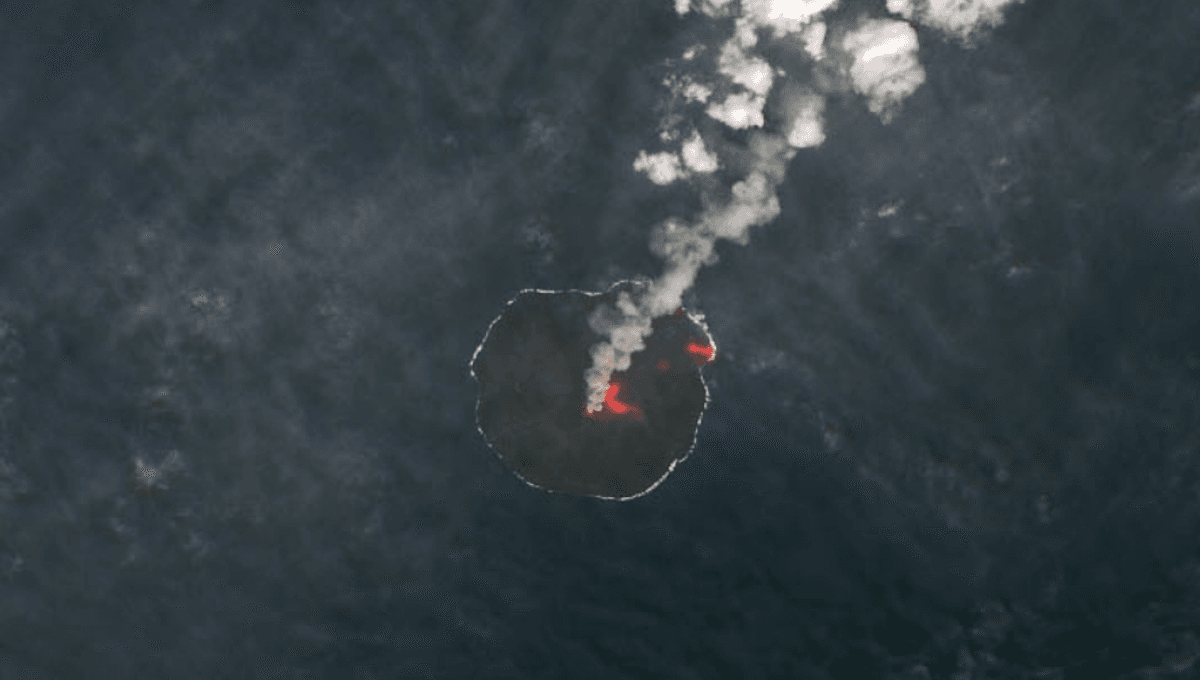
In 2013, a volcanic eruption dramatically reshaped Nishinoshima, a Pacific island located roughly 620 miles south of Tokyo, nearly eliminating all life. Now, a new genetic study is revealing how plant life managed to re-establish itself on the devastated landscape without human intervention.
Nishinoshima has experienced multiple eruptions since the 1970s, but the 2013 event was notably meaningful. Lava flowed from a seafloor vent, creating new land that ultimately engulfed the original island under layers of molten rock and ash. This effectively sterilized the island, wiping out most of the existing fauna.
Despite this near-total devastation, plants began to return. In 2019, researchers from Tokyo Metropolitan University collected samples of common purslane (portulaca oleracea) just prior to another eruption. A recent analysis of the plant’s DNA has provided insights into its remarkable recolonization.
The study, published in Plant Systematics and Evolution, found a strong genetic link between the Nishinoshima purslane and populations on nearby Chichijima Island.However, the Nishinoshima plants exhibited a noticeable loss of genetic diversity. This phenomenon, known as the “founder effect,” occurs when a new population is established by a small number of individuals from a larger source population.
The findings suggest that a limited number of seeds - barely larger then poppy seeds and disc-shaped for efficient dispersal – arrived on Nishinoshima, initiating a new lineage. These seeds are well-suited for long-distance travel,being buoyant enough to float on ocean currents,light enough to be carried by wind,and small enough to be transported by birds.
While the study sheds light on how the plants re-established, the mechanism of seed arrival remains a mystery. the future of this fragile ecosystem remains uncertain, as ongoing volcanic activity continues to reshape Nishinoshima.
