How Depression Impairs New Brain Cell Development in the Hippocampus
<>
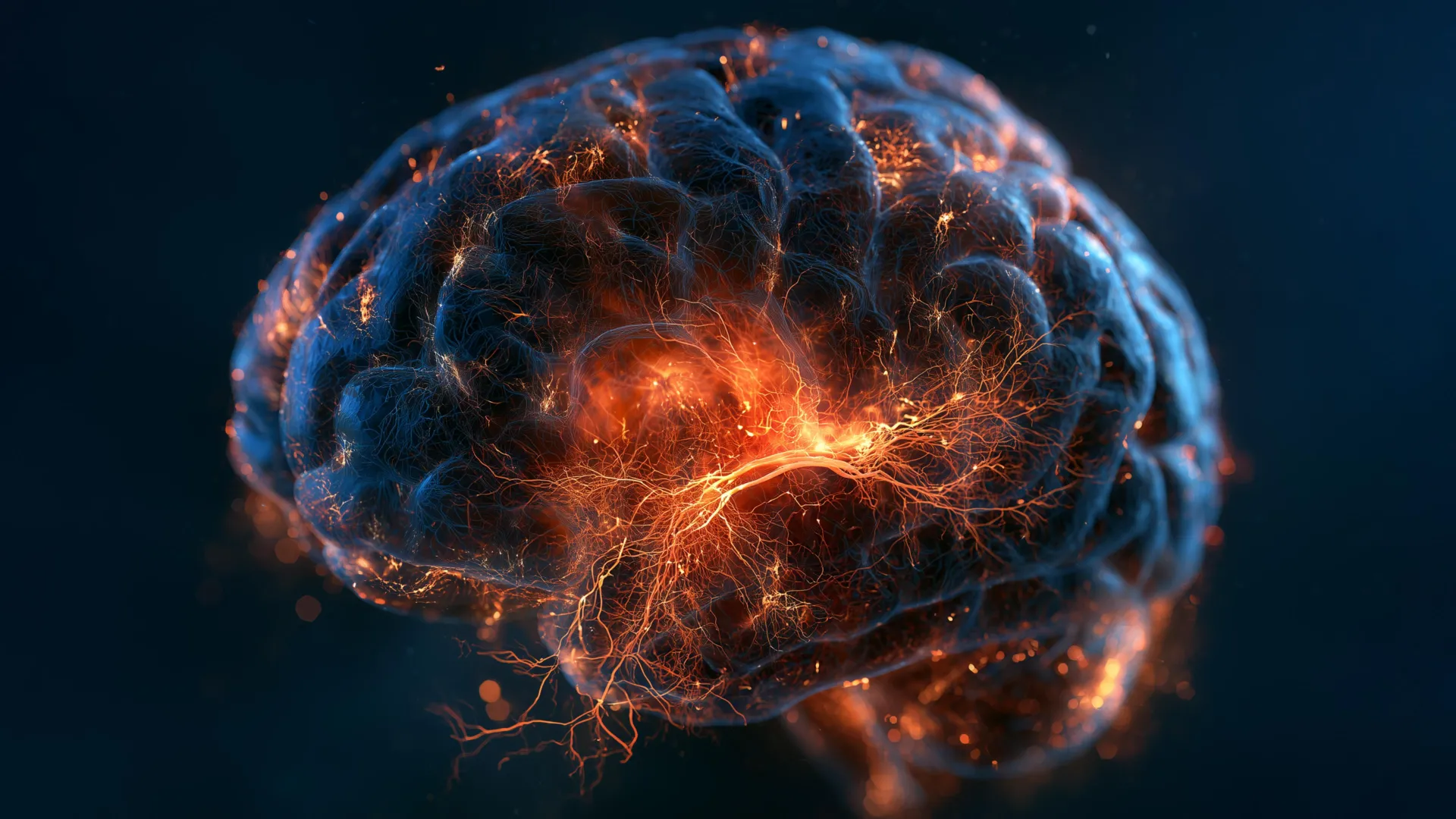
Recent research published in the journal Nature indicates that major depressive disorder (MDD) is associated with a significant disruption in adult hippocampal neurogenesis, the process by which the brain generates new neurons. By analyzing nearly 500,000 cell nuclei from human hippocampal tissue, researchers identified that individuals with MDD exhibit a higher proportion of quiescent, stem-like cells and a diminished population of developing neurons compared to neurotypical controls. This biological shift suggests that the clinical manifestations of depression—including cognitive rigidity and impaired memory processing—may be rooted in a reduced capacity for the brain to adapt to environmental stressors through structural plasticity.
- Depression may limit the brain’s ability to create new neurons in the hippocampus, a region critical for memory and emotion regulation.
- Molecular analysis reveals that while neural stem cells remain present in depressed brains, they are less likely to transition into functional, mature neurons.
- This loss of neurogenesis may impair pattern separation, potentially explaining why patients with depression often struggle to distinguish between distinct, similar life events.
Molecular Mechanisms of Impaired Neuroplasticity
The study, led by Professor Maura Dupont at the Columbia University Vagelos College of Physicians and Surgeons, challenges the historical reliance on the monoamine hypothesis—the idea that depression is primarily a result of neurotransmitter imbalances like serotonin deficiency. Instead, the findings point toward a broader failure in cellular adaptability. According to the research, the hippocampus, which remains one of the few brain regions capable of adult neurogenesis, shows a marked decrease in the maturation of stem cells into functional neurons. This failure in the cell cycle likely compromises the brain’s ability to integrate new information into existing memory circuits.
Patients who experience deficits in pattern separation—the cognitive ability to differentiate between similar memories—may suffer from an inability to decouple past emotional trauma from current, neutral experiences. As Professor Dupont notes, this manifests clinically when a patient struggles to separate a current, minor social interaction from past feelings of rejection. The molecular data suggests that a lack of new neurons prevents the brain from effectively “tagging” new experiences as unique, leading to the cognitive mixing often observed in MDD.
Clinical Implications and Research Funding
The investigation utilized high-resolution transcriptomic mapping to examine 495,037 cell nuclei from 19 control subjects and 11 individuals diagnosed with MDD. By identifying shifts in gene expression across both excitatory and inhibitory neuron populations, the team observed widespread changes in signaling pathways, including those involving glutamate and serotonin. While these findings delineate the pathogenesis of the disorder more clearly, they do not yet offer a direct clinical intervention. The study explicitly warns that increasing neuron production has not been tested as a treatment and requires further investigation to ensure safety and efficacy.
For patients and providers, these findings highlight the necessity of moving beyond symptom-based management toward therapies that target underlying neurobiological resilience. Integrating care requires a nuanced understanding of current psychiatric standards.
Future Trajectories in Neuro-Regenerative Psychiatry
Current research efforts are focused on whether pharmacological or behavioral interventions can “re-awaken” these quiescent stem cells to restore hippocampal function. As clinical trials evolve, the focus is expected to shift toward biomarkers that can predict which patients are most likely to respond to pro-neurogenic strategies. For healthcare systems, this necessitates a more robust integration of diagnostic imaging and molecular profiling to tailor treatment to the individual’s specific neurobiological profile.
