
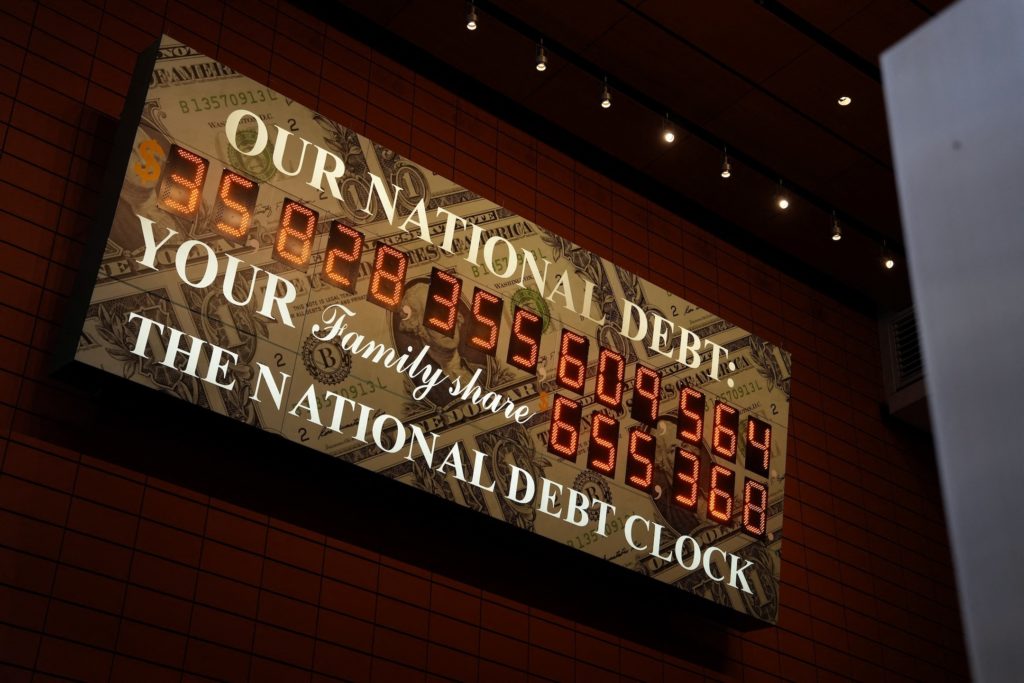
Rising Interest Payments Pose Growing Threat to U.S.Budget
WASHINGTON – The U.S. government’s mounting debt is increasingly burdened by rising interest payments, a trend economists warn is eroding fiscal flexibility and possibly exacerbating economic inequalities.new analysis reveals interest on the national debt is projected to consume a substantial and growing portion of the federal budget,limiting resources available for critical programs and increasing vulnerability to future economic shocks.
The Congressional Budget Office (CBO) projects that interest payments will account for seventeen percent of the national budget within the next decade, and that figure is expected to continue climbing.This escalating cost stems from both the sheer volume of outstanding debt and increasing interest rates, creating a dual challenge for policymakers. A significant portion of this debt is held by foreign entities, meaning interest paid on those bonds represents a transfer of wealth out of the U.S.economy.
“Exactly,” explained Phillip Swagel, “we also owe a lot of money on debt held by foreigners. And so the interest that we pay on bonds held by peopel in other countries represents resources that are going from the United States out of the country to other people. And that amount is rising as well. And so that’s part of the fiscal challenge.”
Economists are divided on the implications of this trend. While some, like Modern Monetary Theory proponent Stephanie Kelton, argue for a different approach to debt management, manny express concern that increased borrowing will inevitably drive up interest rates further.Harvard economist and former IMF economist Kenneth Rogoff anticipates a continued rise in long-term interest rates, impacting consumer borrowing costs.
“I suspect we’re going to see longer-term interest rates… I think thay’re going to on balance continue to drift up,” Rogoff stated, noting the impact on car loans, mortgages, and student debt.
Claudia sahm, an economist, acknowledges the potential benefits of government spending but warns of the disproportionate impact of higher interest rates on lower-income individuals. “The higher interest rates are a bigger problem, a bigger constraint on individuals who need to or choose to borrow, individuals who are lower-income that can’t afford to go buy the car all in cash,” she explained.
The risk extends beyond everyday consumers. Rogoff cautioned that a high debt level limits the government’s ability to respond effectively to unforeseen crises. “If we have problems, we could have another pandemic, we could have a financial crisis, God forbid we could have a war of some type, and we will want to borrow a lot.And the fact our debt is starting so high, it’s a risk.It gives us less flexibility for dealing with these things.”
The growing burden of debt interest is forcing a critical conversation about the long-term sustainability of U.S. fiscal policy and the trade-offs inherent in balancing economic needs with responsible debt management.
