
Australia Reaches Devastating Milestone as Bird Flu Crosses to Mammals
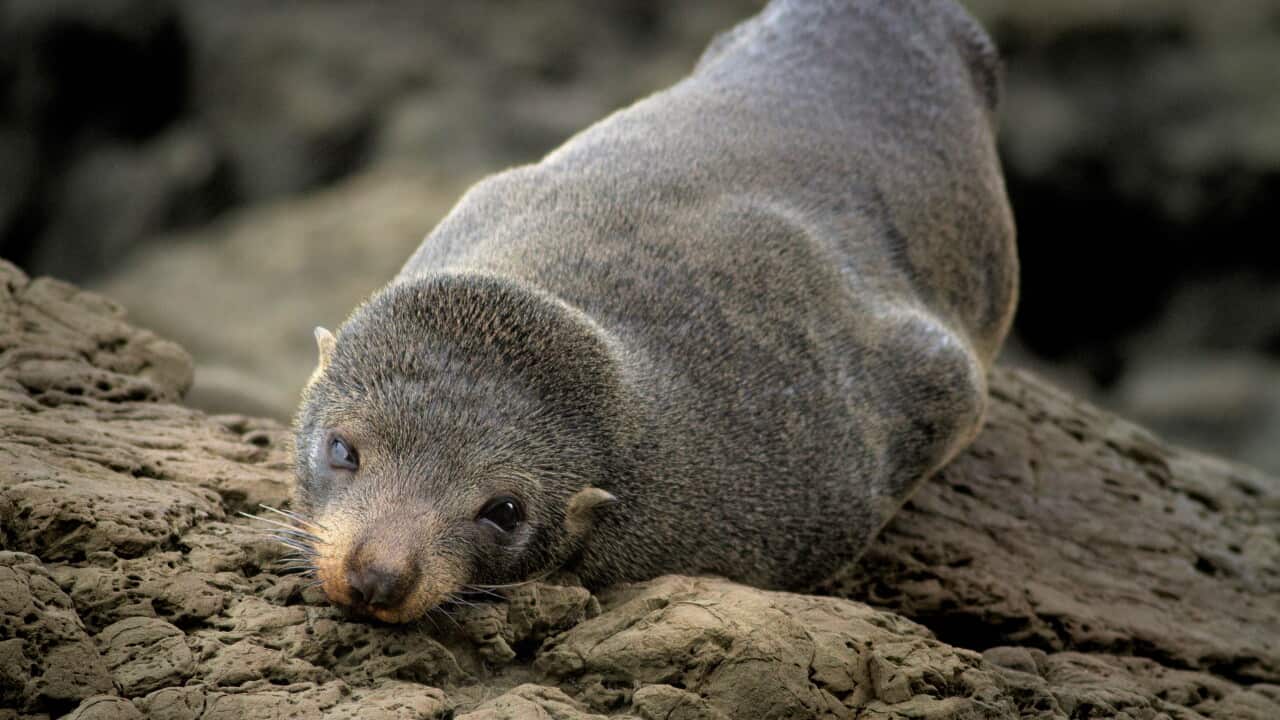
Australia has recorded its first confirmed case of H5N1 avian influenza transmission to a local mammal, following the death of a long-nosed fur seal in coastal South Australia, according to reports from SBS News and the Australian Broadcasting Corporation. The milestone event marks a critical escalation in the country’s wildlife health crisis as the highly pathogenic virus crosses the barrier between avian populations and marine mammals. Environment Minister Murray Watt told ABC television that the nation must prepare for potential mass mortalities of native species as the outbreak progresses.
- Experts warn the virus can persist in cool water and damp environments outside a host for days, raising contamination risks.
- Vulnerable populations such as domestic cats face high mortality rates, prompting calls for strict indoor containment.
Epidemiological Spread and Environmental Persistence
Avian influenza is an airborne viral pathogen contracted when animals breathe or ingest viral particles from an infected host or contaminated surroundings. Robyn Alders, an honorary professor at the Development Policy Centre at the Australian National University, told SBS News that the virus retains viability outside a host animal for significant periods. In cooler temperatures with standing water, H5N1 survives for days, meaning areas lacking visible carcasses can still harbor heavy viral loads. A second suspected case in a seal near Kangaroo Island is currently under investigation by authorities, compounding concerns over widespread marine ecosystem contamination.
Ecosystem Vulnerability and Resource Gaps
Avian conservation groups warn that the strain’s arrival could permanently alter local biodiversity. Sean Dooley of BirdLife Australia told SBS News that potential extinction events threaten certain bird species if mitigation fails. While targeted bird vaccination efforts are underway, field readiness remains uneven. Dooley noted that frontline workers experience gaps in training and personal protective equipment distribution, creating operational hurdles during field containment. Agriculture Minister Julie Collins stated that the government is evaluating North American marine mammal vaccine trials, though no commercial products currently exist to protect vulnerable native seals.
Domestic Risks and Public Health Mitigation
Domestic animals, particularly felines, exhibit high susceptibility to the H5N1 strain. Alders advised pet owners to keep cats indoors due to a documented 50 percent mortality rate for the species upon infection. Public health officials urge citizens to report suspected wildlife illness to emergency animal disease hotlines rather than approaching distressed animals.
As surveillance expands across coastal and inland regions, mitigating further transmission depends on rapid reporting and coordinated containment.