How Beta-Carotene and Omega-3 Protect Your Skin From Sun Damage
As the approach of the summer solstice increases the prevalence of ultraviolet (UV) radiation, the skin’s role as the body’s primary biological barrier becomes critically stressed. The intersection of nutrition and dermatology reveals that dermal resilience is not merely a result of topical applications but is fundamentally constructed through targeted nutritional intake.
Key Clinical Takeaways:
- Beta-carotenes serve as essential precursors to Vitamin A, stimulating melanocytes to enhance the skin’s natural defense against UV-induced DNA damage.
- Omega-3 polyunsaturated fatty acids, specifically EPA and DHA, provide critical anti-inflammatory and antioxidant support to the dermis.
- Vitamin C is indispensable for collagen synthesis, which maintains skin elasticity and prevents the pathogenesis of premature wrinkles.
The primary clinical challenge during high-sun exposure periods is the generation of free radicals. These unstable molecules trigger oxidative stress, which damages cellular structures and accelerates the degradation of the skin’s matrix. This process, known as photoaging, leads to a loss of firmness and the appearance of premature wrinkles. Addressing this risk requires a systemic approach that leverages nutraceuticals to neutralize free radicals before they can compromise the integrity of the dermal layers.
The Biochemical Pathway of Beta-Carotene and Melanogenesis
Beta-carotenes are a group of substances found in specific pigments that the body converts into Vitamin A. This conversion is vital for the functionality of melanocytes, the cells responsible for producing melanin. By facilitating the production of melanin, beta-carotenes help the skin darken, providing a biological shield that protects the underlying DNA from the harmful effects of ultraviolet rays.
The clinical utility of these compounds extends beyond the skin. According to data from Clínica Baviera, beta-carotenes act as natural antioxidants that protect the brain and the nervous system, contributing to the prevention of senile dementia and strengthening the overall immune system. They also provide cardiovascular protection, illustrating the systemic benefit of a carotenoid-rich diet. To maximize these effects, patients should prioritize the consumption of orange, red, and yellow vegetables and fruits, such as carrots, pumpkin, sweet potatoes, peaches, and apricots.
Beta-carotenes are a fundamental substance when protecting ourselves against UV rays, as they are responsible for the tanning and the darkening of our skin to protect itself from the sun’s rays.
For individuals with a history of severe photosensitivity or those requiring a professional assessment of their skin’s UV tolerance, It’s highly recommended to consult with board-certified dermatologists to establish a safe exposure protocol.
Omega-3 Polyunsaturated Fatty Acids as Dermal Protectors
The role of fish oils in metabolic and skin health is anchored in the presence of eicosapentaenoic acid (EPA) and docosahexaenoic acid (DHA). These omega-3 polyunsaturated fatty acids are recognized nutraceuticals with potent anti-inflammatory properties. When integrated into the dermal lipid barrier, they help maintain hydration and elasticity, reducing the skin’s vulnerability to environmental stressors.

Research conducted by Lucía Méndez and Isabel Medina at the Instituto de Investigaciones Marinas-Consejo Superior de Investigaciones Científicas (IIM-CSIC) and published in the journal Molecules emphasizes the combined effects of polyphenols and fish oils. Their findings highlight that these compounds possess single antioxidant and anti-inflammatory properties that improve overall metabolic health, which directly reflects in the skin’s ability to recover from solar radiation.
The synergy between these fatty acids and the dermis helps mitigate the inflammatory response triggered by sunburn, thereby reducing the risk of long-term morbidity associated with chronic UV damage. Patients seeking to optimize their intake of these essential fatty acids should work with registered clinical nutritionists to ensure dosages are balanced and tailored to their specific metabolic needs.
Collagen Synthesis and the Role of Ascorbic Acid
Even as beta-carotenes handle the protective pigment, Vitamin C (ascorbic acid) manages the structural integrity of the skin. This nutrient is fundamental for the synthesis of collagen, the primary protein that keeps the skin firm and elastic. Without sufficient Vitamin C, the skin’s ability to repair itself after UV exposure is compromised, leading to the premature appearance of wrinkles and a loss of dermal density.

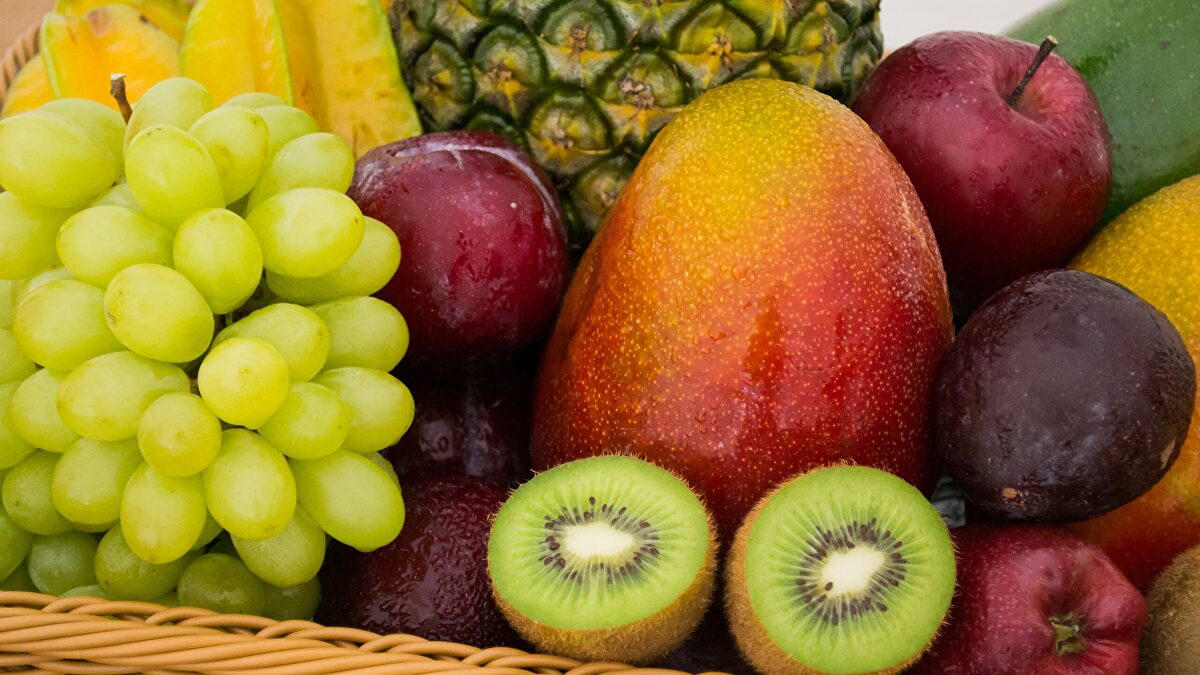
High-concentration sources of Vitamin C include citrus fruits, kiwis, strawberries, peppers, and tomatoes. These foods provide the necessary antioxidants to combat the radicals generated by the sun. By supporting collagen production, these nutrients ensure that the skin remains resilient against the mechanical and environmental stresses of the summer season.
Optimizing Nutrient Bioavailability for Maximum Efficacy
The clinical efficacy of a diet is not determined solely by the presence of nutrients, but by their bioavailability—the degree to which the body can absorb and utilize them. A critical gap in many dietary plans is the failure to pair fat-soluble antioxidants with the correct delivery mechanism.

Guidance from the Mayo Clinic indicates that antioxidants found in oranges and yellow vegetables, such as beta-carotene and Vitamin E, are more available to the body when cooked with a small amount of fat. This lipid-based delivery system is essential for the absorption of these specific vitamins, ensuring that the nutrients actually reach the dermis rather than being excreted.
To ensure that nutritional deficiencies are not hindering the skin’s protective capabilities, patients may benefit from comprehensive blood panels at specialized diagnostic centers to identify specific gaps in their micronutrient profiles.
The trajectory of dermatological health is shifting toward a “built-from-within” philosophy. While topical sunscreens remain the standard of care for immediate protection, the systemic fortification of the skin through beta-carotenes, omega-3s, and antioxidants provides a necessary second layer of defense. The integration of these nutraceuticals reduces oxidative stress and protects the genetic blueprint of the skin cells. As clinical research continues to evolve, the synergy between precise nutrition and medical dermatology will likely grow the primary strategy for preventing photoaging and maintaining lifelong skin health.
Disclaimer: The information provided in this article is for educational and scientific communication purposes only and does not constitute medical advice. Always consult with a qualified healthcare provider regarding any medical condition, diagnosis, or treatment plan.