How AIPAC and AI Super PACs Spent Money in Midterm Elections
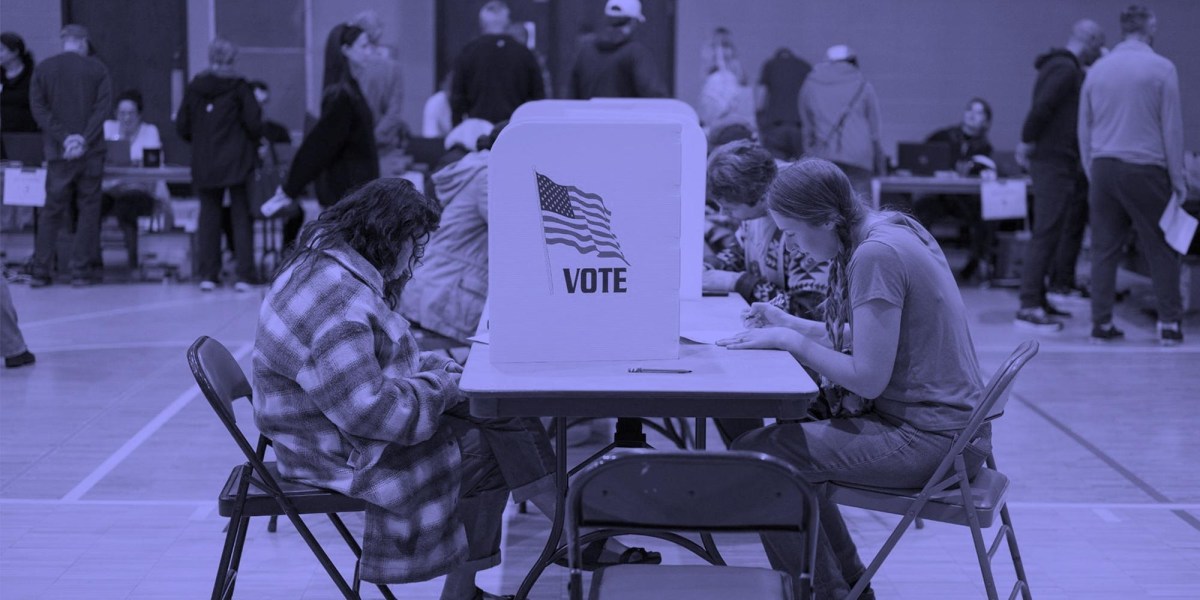
Voters head to the polls on Tuesday in an election cycle that AdImpact tracked as the most expensive on record, with total fundraising clearing $16 billion and ad spending across House and Senate races topping $4 billion, The Intercept reported.
Mega-Donors Use Super PACs to Back Republicans
Most funds from major donors bypassed individual campaign committees to flood powerful super PACs. Reporting from The Intercept showed that mega-donors this election season have overwhelmingly backed Republicans, with contributions driven largely by artificial intelligence, cryptocurrency, and online gambling interests. Maia Hibbett noted that regardless of which party seizes control of Congress, numerous officials will take office backed by special interests and big tech.
The Pro-Israel Lobby Shifts Tactics
The American Israel Public Affairs Committee and its aligned super PAC, the United Democracy Project, poured significant capital into the midterms despite a political environment where public sentiment turned against the pro-Israel lobby. Hibbett pointed out that while high-profile primary losses drew substantial attention, aggregate data indicates the lobby’s backed candidates continue to win the majority of their races. AIPAC announced it will halt official candidate endorsements and direct campaign contributions, returning to its pre-2022 strategy of quieter, behind-the-scenes spending. The adjustment mirrors an older playbook rather than a novel approach, though increased scrutiny from watchdogs and journalists makes concealing financial trails more difficult.
AI Super PAC Spending Retreats
Artificial intelligence super PAC networks backed by OpenAI and Anthropic dropped $50.7 million into primary races but scaled back general election spending to $8.5 million. Matt Sledge explained that this contraction likely responds to rapidly shifting public opinion regarding AI infrastructure and data centers over the past year. Candidates increasingly attempt to position themselves as proponents of stricter safety standards and regulation.
Tech Money Targets Local Races
Tech sector donors also deployed funds outside federal contests, intervening in municipal elections such as the Los Angeles city attorney race. The Intercept detailed how tech contributions lined up against Marissa Roy, a Democratic Socialists of America-backed candidate who helped prosecute a $17 billion settlement involving Meta. Sledge noted that while corporate allies soften the blow of an otherwise difficult political environment for Republicans, a broader blue wave could ultimately overwhelm special-interest spending as voters cast their ballots.