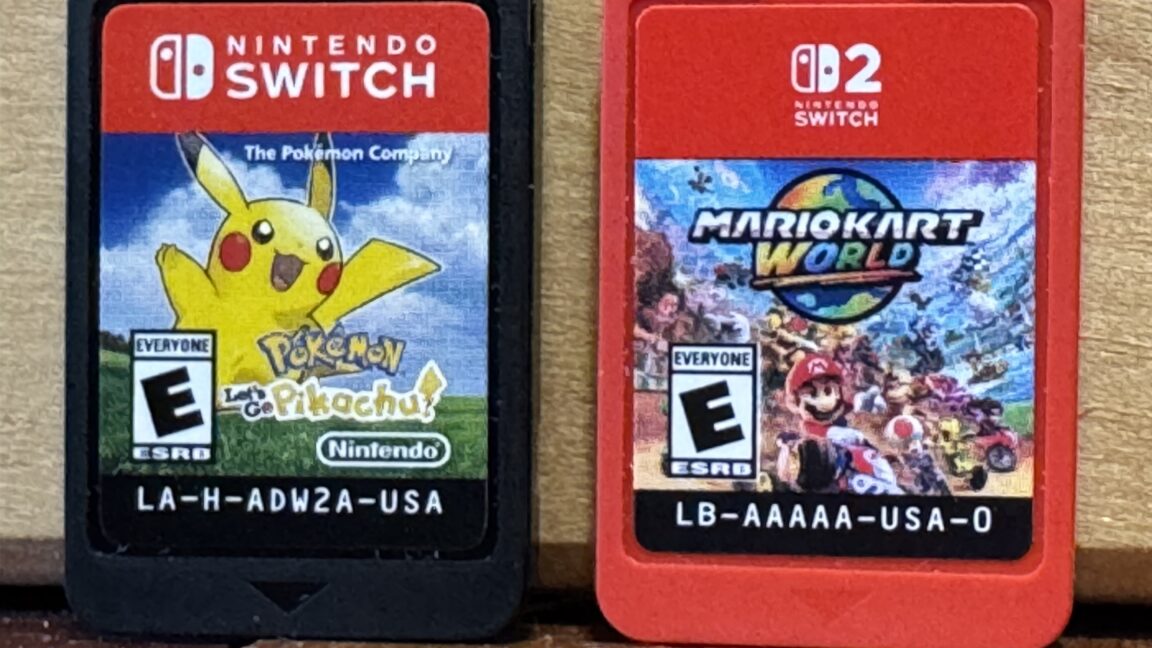
How AI Chip Demand Is Threatening Nintendo Switch Cartridge Supply
The supply chain for physical Nintendo Switch and Switch 2 game cartridges is facing significant pressure as Macronix, the primary manufacturer of the ROM chips used in these products, has officially announced it is exiting the business. In its third-quarter earnings report, the company stated that its production of these components has reached its end
and confirmed plans to begin gradually decoupling from the game industry.
This shift comes as the tech memory shortage, driven largely by the voracious appetite for memory and storage from the AI sector, forces manufacturers to prioritize more lucrative hardware. As a result, Nintendo—which analyst David Gibson identifies as relying on Macronix as its main memory chip maker
—faces a narrowing window for its physical media production.
Shifting Priorities in Chip Fabrication
Macronix’s decision to move away from ROM production is rooted in a strategy to maximize revenue from limited manufacturing capacity. The company currently maintains an output cap of 25,000 12-inch wafers per month. Because ROM chip production has already declined by 39 percent over the past year—now accounting for only 5 percent of the company’s total business—Macronix is opting to reallocate that wafer space toward higher-margin products.
1/4 Nintendo's main memory chip maker is quitting the Switch business Macronix, which makes the ROM chips in Switch 1 and Switch 2 game memory cards, is phasing out that business. There will be no new ROM products, and Q3 is the last quarter it reports ROM sales separately.
The production lines previously dedicated to game cartridges are being repurposed to fabricate NOR- and NAND-based memory, as well as eMMCs, which are currently in higher demand across the broader technology market.
Macronix Expansion Leaves Nintendo Facing Manufacturing Limits
While Macronix has announced $1.2 billion in planned new capacity, the company notes that this expansion will take a year or more to become operational. Until that additional capacity comes online, the manufacturing space remains a zero-sum game where less profitable components like ROM chips are being crowded out by more lucrative alternatives.

It remains unclear how Nintendo intends to mitigate the loss of its primary ROM supplier or whether the company has secured alternative manufacturing partners to maintain the current volume of its physical game releases.