How a Democratic US Congress Could Restrict Trump’s Foreign Policy After Midterms
If Democrats win control of the House of Representatives and potentially the Senate in the November 3, 2026 midterm elections, the party will be better positioned to challenge Donald Trump's foreign policy. According to reports, a Democratic majority could force major shifts regarding Iran, Ukraine, Israel, and the defense budget after two years of complete Republican control. Independent analysts report that Democrats have a viable opportunity to capture the House and potentially the Senate in the midterm elections on November 3, granting them a share of power in Washington. Democrats argue that Republicans permitted the administration of President Donald Trump to declare war and control spending despite the United States Constitution vesting those powers in lawmakers.
Voters Decide Control of Legislative Chambers
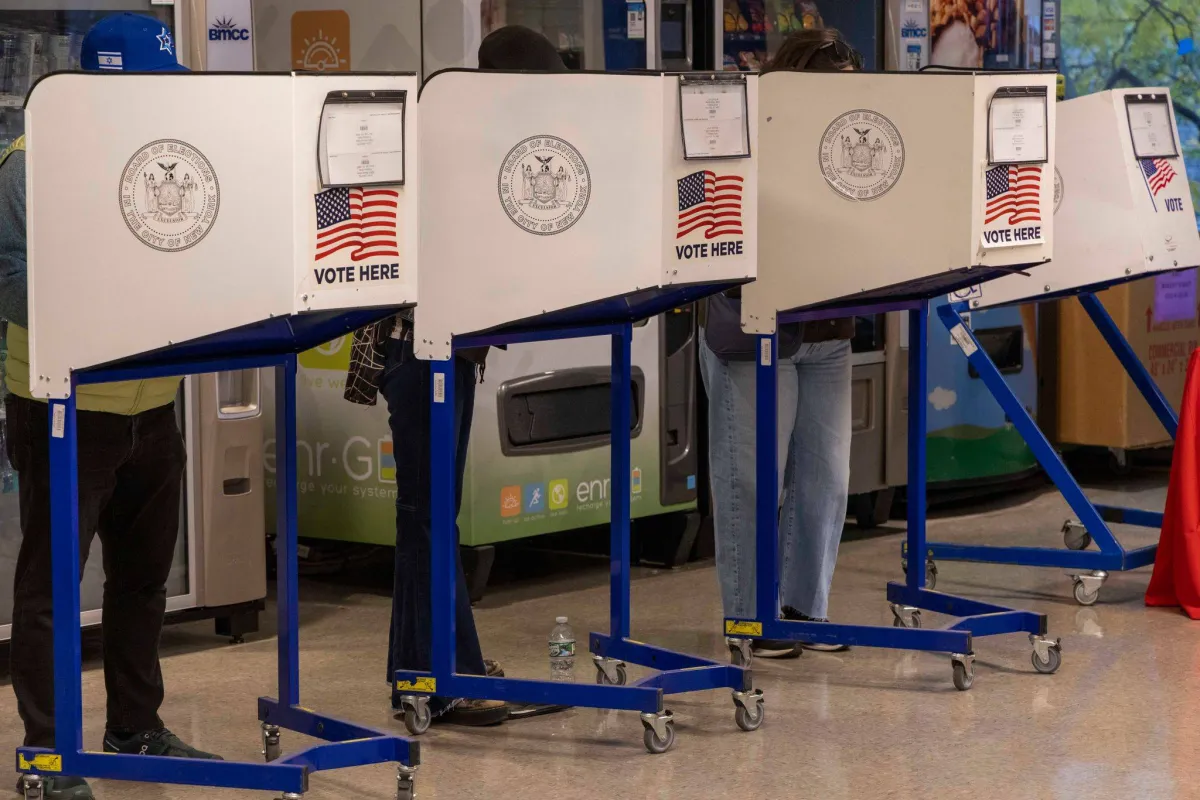
Voters across the United States head to the polls on November 3, 2026, to decide control of both legislative chambers. Voters in Texas began casting ballots at polling stations on the morning of Monday, October 19, 2026, facing a deadline until November 3 to choose between Democratic candidates focusing their campaigns on economic issues and Republican candidates aligning with US President Donald Trump. Republicans currently hold 218 seats in the House, while Democrats hold 201 with one independent, and Republicans control the Senate with 53 seats against 45 Democrats and two independents caucusing with them. With Trump issuing roughly 289 executive orders during his second term—surpassing the 220 total from his first term—a Democratic victory in either chamber would install critical checks on the executive branch.
Restraining the Conflict with Iran
Donald Trump launched military action against Iran on February 28 without securing prior authorization from Congress, drawing sharp rebukes from Democratic lawmakers who argue the executive branch bypassed constitutional war powers. Reports state that while Democrats repeatedly voted to end the hostilities absent congressional approval—even passing a resolution backed by a small number of Republicans—the Trump administration ignored it. Should Democrats capture the House or Senate, they plan to use the federal budget to cut defense spending to force the administration into compliance, alongside compelling top officials to testify publicly about military strategies.
Overturning Russian Energy Sanctions Relief
The Trump administration largely halted direct financial and military aid to Ukraine despite broad bipartisan support in Congress, and recently sparked intense backlash by lifting sanctions on Russian diesel and rolling back energy restrictions enacted just weeks prior. Reports highlight that if Democrats secure congressional majorities, they can control the legislative calendar to pass fresh aid packages for Kyiv capable of overriding potential presidential vetoes with a two-thirds majority. Representative Gregory Meeks of New York, positioned to lead the House Foreign Affairs Committee under a Democratic majority, has already introduced bipartisan legislation to block Trump’s plan to reintroduce Russian diesel to global markets.

Challenging Military Assistance to Israel
Declining Democratic support for Israel stems from civilian casualties in Gaza, persistent violence in the West Bank, and Prime Minister Benjamin Netanyahu’s close alignment with Republicans. While some lawmakers like Meeks opposed a total cutoff, they supported placing strict prohibitions on the transfer of heavy munitions.
Democrats Block Military Budget Increase
Trump requested an unprecedented 67 percent increase in the military budget to reach 1.5 تريليون دولار, but Democratic senators stalled the initiative by citing the administration’s refusal to consult Congress on the Iran conflict and deep cuts to domestic social programs. Reporting notes that foreign policy concerns form the backdrop of an election deeply driven by inflation and living costs. With Trump having frozen or cancelled billions in congressionally approved foreign assistance, a Democratic-controlled legislature would actively move to restore those funding streams and block further unilateral defense expansions.