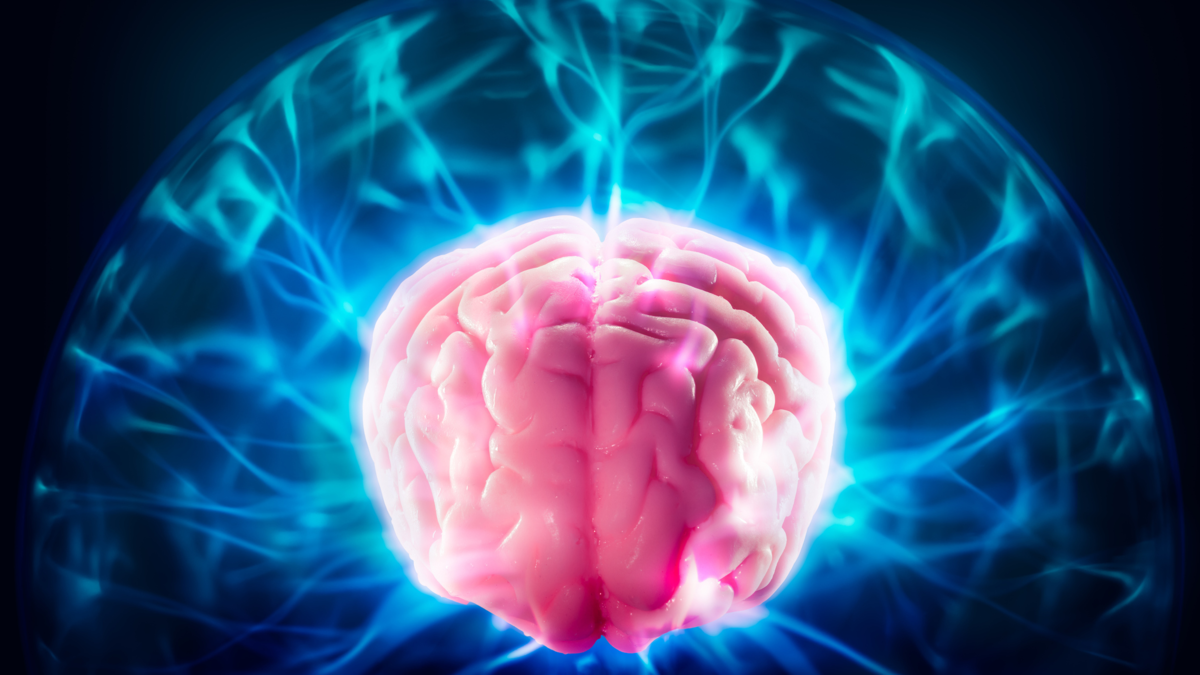
How 10 Minutes of Daily Meditation Rewires Your Brain in One Week
For decades, the prevailing medical narrative suggested that maintaining cognitive health required constant intellectual stimulation through puzzles, crosswords, or Sudoku. However, emerging clinical evidence indicates that the most profound tool for brain reconfiguration is not an external cognitive challenge, but the internal discipline of meditation.
Key Clinical Takeaways:
- Structural and connectivity changes in brain regions managing fear and anxiety can occur in as little as seven days of consistent practice.
- Mindfulness-based interventions can be as effective as pharmacological treatments for reducing specific anxiety symptoms.
- Daily 10-minute sessions are sufficient to trigger observable neurological shifts, moving beyond simple relaxation into actual brain reconfiguration.
The modern healthcare landscape is currently grappling with a surge in stress-related morbidity and chronic anxiety. While pharmacological interventions remain a standard of care, there is a critical clinical gap in scalable, non-drug therapies that can modify the brain’s response to stressors. This is where the science of neuroplasticity—the brain’s ability to reorganize itself by forming new neural connections—becomes a vital therapeutic lever. Rather than focusing on cognitive “exercise” through games, clinicians are now looking at how the targeted training of attention can physically alter the architecture of the mind.
The Biological Mechanism of Neural Reconfiguration
Meditation is not a monolithic practice; it is a sophisticated set of techniques designed to integrate mind and body. According to the National Center for Complementary and Integrative Health (NCCIH), these practices range from focused attention—where the practitioner maintains a thought on a mantra, sound, or breath—to mindfulness, which involves maintaining an objective awareness of the present moment.

Neuroscientist Sara Lazar, an associate researcher at Massachusetts General Hospital and assistant professor at Harvard Medical School, describes a specific modality known as “open awareness.” In this state, the practitioner becomes aware of their own awareness without a specific focal point. This process allows for the detection of subtle emotions and thoughts that are typically ignored. The clinical significance of this practice lies in its ability to build “calm muscles.” Just as physical resistance training hypertrophies skeletal muscle, consistent meditation trains the brain’s attention networks, increasing activation and altering the connectivity of areas responsible for coping with fear.
For patients struggling with severe cognitive dysfunction or neurological decay, these structural changes are paramount. It is often necessary to coordinate these mindfulness protocols with the expertise of board-certified neurologists to monitor cognitive trajectories and ensure that behavioral interventions are complementing clinical treatment plans.
The Seven-Day Threshold: Acute vs. Chronic Effects
One of the most striking revelations in recent research is the speed at which the brain responds to meditation. While many believe that neurological change requires years of monastic discipline, data suggests that a habit of just 10 minutes per day can reconfigure the brain in a single week. Studies analyzing participants in meditation retreats have shown that these changes are not superficial but involve significant shifts in anterior and posterior brain activity.
To understand the trajectory of these benefits, it is helpful to differentiate between the acute reconfiguration phase and the long-term maintenance phase.
| Clinical Metric | Acute Phase (7–10 Days) | Maintenance Phase (Long-term) |
|---|---|---|
| Neurological Impact | Initial reconfiguration of attention networks; reduced reactivity. | Permanent structural changes in brain connectivity and density. |
| Psychological Outcome | Immediate reduction in acute stress markers. | Enhanced capacity to manage chronic life stressors and fear. |
| Cognitive Function | Increased awareness of fleeting thoughts/emotions. | Potential slowing of aging-related cognitive decline. |
| Symptom Management | Rapid onset of calming effects. | Sustained reduction in anxiety and depression symptoms. |
Clinical Applications in Anxiety and Pain Management
The utility of meditation extends far beyond general wellness. A randomized study published on November 9, 2022, in JAMA Psychiatry determined that a non-drug approach, specifically mindfulness meditation, could be equally effective in reducing symptoms of anxiety compared to certain medication protocols. This suggests that for a significant patient population, meditation can serve as a primary or adjunctive therapy to reduce the morbidity associated with anxiety disorders.
Beyond anxiety, the practice shows promise in the management of chronic pain. By altering the way the brain processes pain signals and enhancing the patient’s ability to cope with physical distress, meditation provides a non-opioid pathway for symptom relief. Because chronic pain often overlaps with depressive symptoms, the dual-action nature of meditation—addressing both the neurological perception of pain and the psychological burden of depression—makes it a potent tool.
When anxiety or depression reaches a clinical threshold where daily functioning is impaired, it is imperative that patients seek a comprehensive diagnostic evaluation. We strongly recommend consulting board-certified psychiatrists to determine if mindfulness-based stress reduction (MBSR) should be used as a standalone therapy or in conjunction with pharmacological support.
Integrating Mindfulness into Standard Care
The shift toward treating the brain as a plastic organ that can be trained rather than a static entity marks a turning point in preventative medicine. The ability to reduce high blood pressure, ease chronic pain, and mitigate depression through a 10-minute daily habit represents a low-risk, high-reward intervention. However, the application of these techniques must remain grounded in scientific rigor to avoid the pitfalls of sensationalism.
The evidence provided by Harvard Health and the NCCIH confirms that meditation is a legitimate clinical tool. The challenge now lies in the integration of these practices into the broader healthcare infrastructure. As we move toward a more holistic model of care, the synergy between behavioral neurology and traditional psychiatry will likely define the next generation of mental health treatment.
The trajectory of this research suggests that we are moving toward a personalized “neural fitness” model, where brain exercises are prescribed with the same precision as pharmaceutical dosages. For those seeking to implement these changes safely and effectively, accessing a network of vetted healthcare providers is the first step toward sustainable neurological health. Whether through specialized pain management clinics or integrative health practitioners, the goal is to move from passive symptom management to active brain reconfiguration.
Disclaimer: The information provided in this article is for educational and scientific communication purposes only and does not constitute medical advice. Always consult with a qualified healthcare provider regarding any medical condition, diagnosis, or treatment plan.