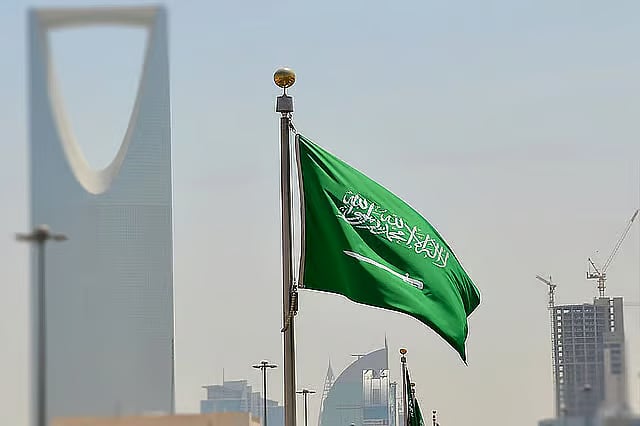
Houthi Political Fragility and Saudi Arabia’s Role in Yemen
Yemeni Houthi Movement Faces Political Strains Amid Regional Diplomatic Efforts
Yemen’s Houthi rebels face scrutiny as political analysts highlight the group’s internal instability. According to Ahmed Al-Shahri, a political analyst, Saudi Arabia has presented a “great record in supporting Yemen and alleviating the suffering of its people.” The Houthis, meanwhile, remain entrenched in a complex web of regional and local power dynamics.
The Houthi movement has struggled to present a unified political front, complicating peace negotiations. Analysts note that the group’s reliance on external support has further fragmented its domestic legitimacy.
Why Does the Houthi Situation Matter to Regional Stability?
The Houthis’ political fragility has direct implications for the region. Saudi Arabia has invested heavily in Yemeni reconstruction. “The kingdom has offered numerous initiatives to preserve Yemeni unity and cohesion,” Al-Shahri stated.

However, the Houthis’ resistance to external influence has stalled progress. The group’s refusal to engage in inclusive dialogue has deepened divisions among Yemeni factions.
How Have Saudi Initiatives Impacted Yemeni Civil Society?
Saudi Arabia’s efforts to stabilize Yemen include initiatives to preserve Yemeni unity. The kingdom has supported the Yemeni government, though its influence remains contested. Stability is achieved through military and economic pressure, not political reconciliation.
Local NGOs report mixed results. While aid distribution has improved, access to conflict zones remains restricted. The Houthis control key supply routes, limiting the reach of international assistance. This dynamic exacerbates the suffering of civilians.
What Role Does Iran Play in Houthi Resilience?
The Houthis’ continued existence is tied to Iran’s support. Iran’s involvement has hardened the Houthis’ stance. This makes any peace agreement contingent on regional power shifts.

Saudi and its allies have accused Iran of supplying the Houthis with advanced weaponry. The Houthis are a pawn in a larger geopolitical game. Their survival depends on external actors, not internal cohesion.
What Are the Long-Term Implications for Yemen’s Economy?
The war has devastated Yemen’s economy. The Houthis’ control of northern territories has disrupted trade routes. Yemen’s economic recovery is tied to the end of the conflict.
Regional initiatives aim to revive trade networks. However, the Houthis’ defiance of these efforts complicates progress. The group’s economic policies are fragmented, focusing on survival rather than development. This undermines long-term recovery.
How Can Local Organizations Address the Crisis?
Yemen’s civil society faces immense challenges, but several organizations are working to mitigate the conflict’s impact. Grassroots efforts are critical, as they offer a counter-narrative to the violence.
International partners have also expanded operations. However, access remains a hurdle. We need the Houthis to grant safe passage for aid workers. Without this, our efforts will be limited.
What Is the Path Forward for Yemeni Politics?
Experts agree that a political settlement requires addressing the Houthis’ demands