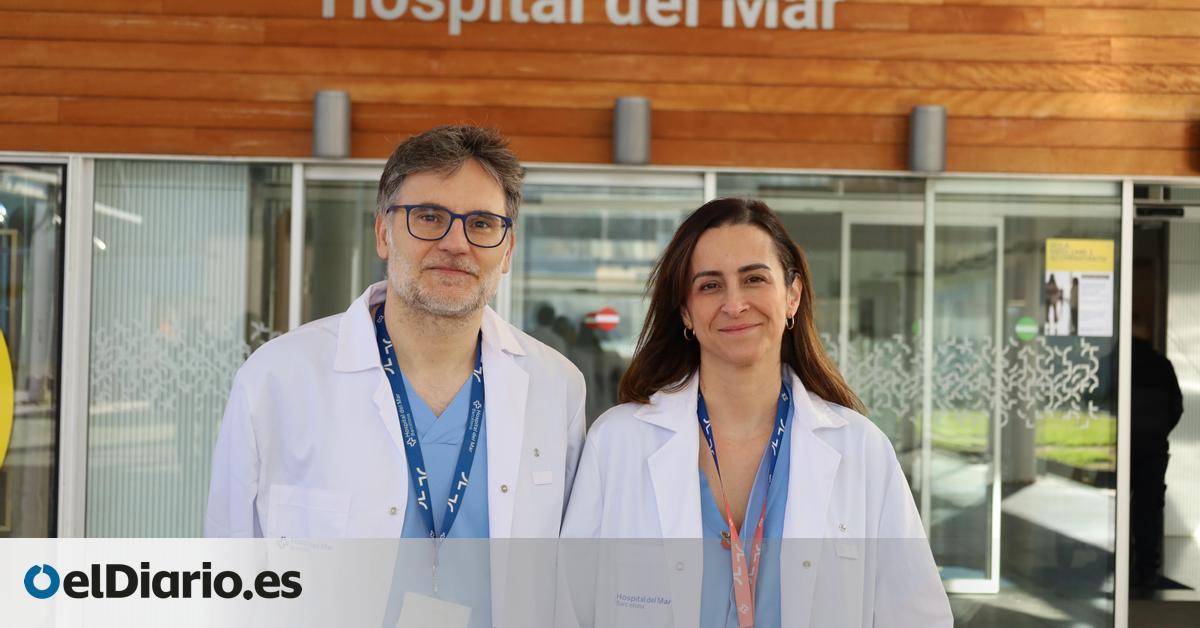
Hospital del Mar Pioneers Bloodless Kidney Transplants in Spain
The intersection of patient autonomy and surgical necessity often creates a clinical impasse, particularly when religious convictions prohibit the use of blood products. In the high-stakes environment of renal transplantation, where hemodynamic stability is paramount, the ability to operate without transfusions is not merely a preference—it is a sophisticated medical challenge.
Key Clinical Takeaways:
- Hospital del Mar in Barcelona established Spain’s first dedicated protocol for bloodless kidney transplants, ensuring surgical viability for patients who refuse blood products.
- The institution has evolved from a fledgling unit in 1979 to a high-volume center, surpassing 1,000 renal transplants by 2014 and peaking at 116 procedures in a single year (2017).
- Current clinical efforts focus on enhancing graft survival through advanced research, including the INMUNOVIR project funded by the Instituto de Salud Carlos III to prevent CMV infections.
For many patients, the refusal of blood transfusions—most notably among Jehovah’s Witnesses—is often viewed by the broader medical community as a contraindication for complex surgery. This creates a significant clinical gap where patients are forced to choose between their faith and life-saving intervention. The standard of care typically relies on blood products to manage intraoperative morbidity and anemia, but the emergence of bloodless protocols shifts the paradigm from “risk management” to “meticulous prevention.”
The Evolution of Renal Transplantation at Hospital del Mar
The journey toward bloodless surgical excellence began with the foundation of the Renal Transplant Surgical Unit in 1979 at the Hospital de la Esperanza. This initiative was born from a strategic alliance between the Nephrology and Urology services, led by Dr. Juan José Ballesteros and a team of specialized surgeons including Alfonso Guzmán, Antonio Llorens, Emilio Fontsaré, and Antoni Bosch. The unit’s clinical trajectory was marked by a historic milestone on May 7, 1979, with the first renal transplant performed between identical twin sisters.

The growth of the service followed a steady clinical ascent. Whereas the first year saw limited opportunities, the program stabilized by 1983, reaching an average of 26 interventions per year. By the conclude of 2000, the unit had recorded 466 renal transplants, alongside rare combined kidney-pancreas and hepatic transplants. This institutional maturity culminated in the unit’s integration into the Hospital del Mar, where it expanded its reach to serve the Ciutat Vella and Sant Martí districts of Barcelona, as well as the Vallès region.
For patients navigating the complexities of end-stage renal disease, finding a facility with a proven track record of high-volume success is critical. It is highly recommended that patients seek consultation with board-certified nephrologists to determine the optimal timing for transplantation and the suitability of specialized bloodless protocols.
Bridging the Gap: The Bloodless Protocol and Patient Autonomy
Implementing a bloodless protocol requires a fundamental shift in the pathogenesis of surgical planning. Rather than reacting to blood loss with transfusions, the clinical team must employ proactive strategies to minimize hemorrhage and optimize the patient’s hematologic status prior to the first incision. Hospital del Mar’s pioneering protocol in Spain recognizes that the refusal of blood is not a barrier to surgery, but a catalyst for higher precision in surgical technique and perioperative care.
This approach necessitates a multidisciplinary effort. The integration of nephrology and urology allows for rigorous pre-operative optimization, focusing on the prevention of anemia and the use of pharmacological agents to stimulate erythropoiesis. By reducing the reliance on allogeneic blood transfusions, the medical team not only respects patient autonomy but also avoids the inherent risks of transfusion-related complications, such as alloimmunization or transfusion-associated circulatory overload.
Navigating the legal and ethical frameworks of “refusal of treatment” requires precise documentation and clear communication between the patient and the surgical team. Healthcare facilities often engage healthcare compliance attorneys to ensure that these protocols align with both national health laws and the patient’s expressed wishes, ensuring that the right to bodily autonomy is preserved without compromising the standard of care.
Clinical Research and the Future of Graft Survival
The commitment to patient-centered care extends beyond the operating room and into the realm of long-term graft maintenance. The Hospital del Mar Research Institute (IMIM) continues to push the boundaries of transplant immunology. A primary example is the INMUNOVIR project, which is funded by the Instituto de Salud Carlos III. This research focuses on the immunoguided prevention of Cytomegalovirus (CMV) infections in low-risk renal transplant recipients.

CMV infection remains a significant hurdle in transplant medicine, often leading to increased morbidity and potential graft failure. By refining the prevention strategies for low-risk patients, researchers aim to reduce the toxicity associated with over-prophylaxis while maintaining a high barrier against opportunistic infections. This level of precision medicine is what defines the modern era of transplantation, moving away from one-size-fits-all protocols toward individualized clinical pathways.
To understand the broader global context of these advancements, clinicians often refer to the PubMed database for longitudinal studies on bloodless surgery and the World Health Organization (WHO) guidelines on organ transplantation ethics. These resources underscore the importance of evolving surgical standards to accommodate diverse patient needs.
As we look toward the future, the success of bloodless transplantation proves that clinical excellence and ethical flexibility are not mutually exclusive. The ability to perform high-volume, complex surgeries while adhering to strict patient constraints is a testament to the evolution of surgical precision. For those requiring specialized surgical intervention, accessing a network of specialized transplant surgeons who are experienced in bloodless techniques is the most viable path toward a successful outcome.
The trajectory of renal transplantation is moving toward an era where the surgical “impossible” becomes the clinical standard. By integrating rigorous research, such as that seen in the INMUNOVIR project, with a deep respect for patient autonomy, the medical community can ensure that life-saving care is accessible to all, regardless of their personal or religious convictions.
*Disclaimer: The information provided in this article is for educational and scientific communication purposes only and does not constitute medical advice. Always consult with a qualified healthcare provider regarding any medical condition, diagnosis, or treatment plan.*