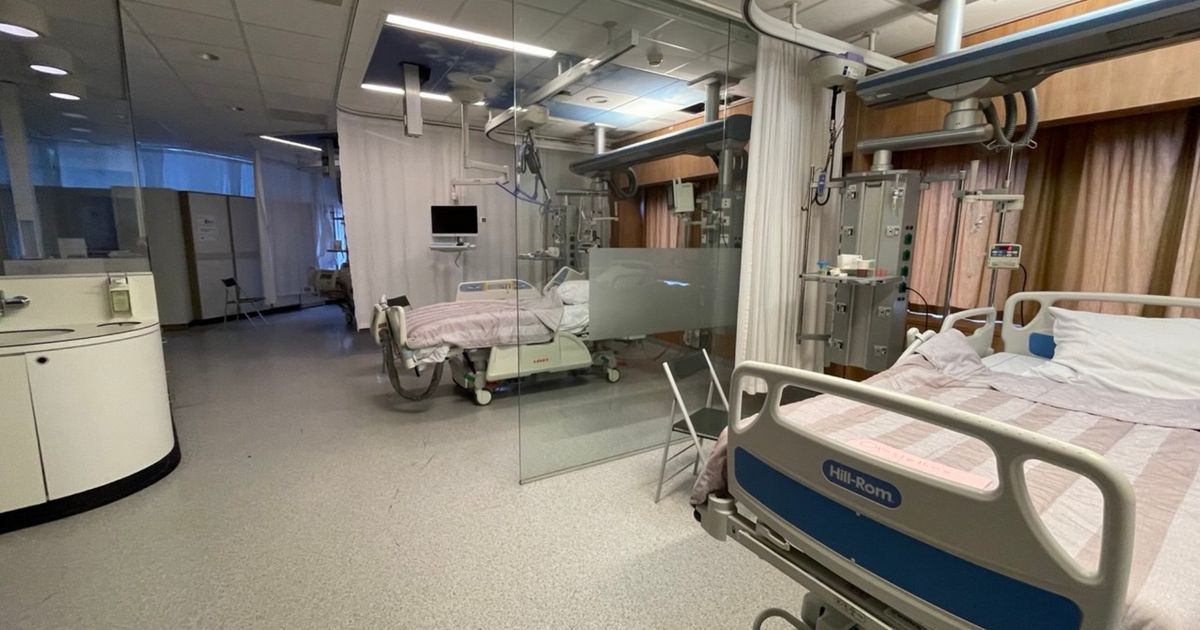
Hospital and Nursing Home Collaboration Needed to Overcome Healthcare Challenges
Hospitals and nursing homes across the Netherlands face an urgent operational and clinical challenge as systemic pressures strain patient discharge pipelines and elderly care capacity. According to regional reporting published by Rtv Noord, healthcare administrators warn that institutions must recapture the collaborative momentum and crisis-era resilience forged during the COVID-19 pandemic to prevent severe gridlock in acute care beds. The growing friction between institutional care tiers highlights a critical vulnerability in modern health systems: managing the complex transitions of vulnerable, multi-morbid patients from high-intensity hospital settings to long-term residential facilities.
Key Clinical Takeaways:
- Acute care facilities and residential nursing homes require renewed structural alignment to manage patient influx and safe discharge pathways effectively.
- Pandemic-era inter-institutional cooperation models offer a blueprint for overcoming current staffing shortages and capacity constraints.
- Clinical triage pathways must adapt to prevent delayed discharges, which directly impact morbidity rates and hospital resource allocation.
The Structural Bottleneck in Acute and Long-Term Care Transitions
The core clinical risk highlighted by regional health monitors involves delayed discharges—often termed bed-blocking—where medically stable patients remain in acute hospital beds because downstream nursing home capacity or specialized home-care support is unavailable. This structural bottleneck compromises hospital throughput, increases the risk of hospital-acquired infections, and elevates physiological deconditioning among frail elderly patients. Addressing this gap requires a synchronized framework between acute care physicians, geriatricians, and long-term care operators.
For patients and families navigating complex chronic conditions or recovering from acute surgical interventions, ensuring a seamless transition is vital. When discharge protocols stall, consulting with an experienced elderly care coordinator or specialized geriatric practice can help clarify available residential and rehabilitation options. Similarly, health systems striving to optimize patient pathways frequently collaborate with medical facility management consultants to redesign regional referral networks.
Clinical Governance and Inter-Institutional Communication
Overcoming current systemic strains demands more than informal cooperation; it requires formalized clinical governance protocols that bridge acute medicine and geriatric nursing. During public health emergencies, shared electronic health records, unified triage criteria, and flexible staffing pools enabled rapid patient redistribution. Re-establishing these mechanisms under non-emergency conditions involves addressing legal, administrative, and financial barriers that traditionally silo hospitals from residential care facilities.
Healthcare providers seeking to modernize their operational frameworks often engage healthcare compliance attorneys to draft secure data-sharing agreements and inter-facility transfer policies that align with national regulatory standards. Maintaining strict adherence to these operational guidelines ensures patient safety while maximizing resource efficiency across the continuum of care.
Future Trajectory of Regional Healthcare Integration
As demographic aging accelerates the prevalence of complex, multi-system chronic diseases, the traditional boundaries separating hospitals, rehabilitation centers, and nursing homes must continue to blur. The sustainability of regional health infrastructure depends on proactive capacity planning and continuous dialogue between institutional leadership and frontline clinical staff. By institutionalizing the agile cooperation models developed during past public health crises, health networks can better safeguard patient outcomes against future capacity shocks.
For individuals and families seeking personalized guidance through complex medical transitions or long-term care placement, connecting with a vetted patient advocacy service or medical liaison provides essential support in navigating clinical options.
*Disclaimer: The information provided in this article is for educational and scientific communication purposes only and does not constitute medical advice. Always consult with a qualified healthcare provider regarding any medical condition, diagnosis, or treatment plan.*