
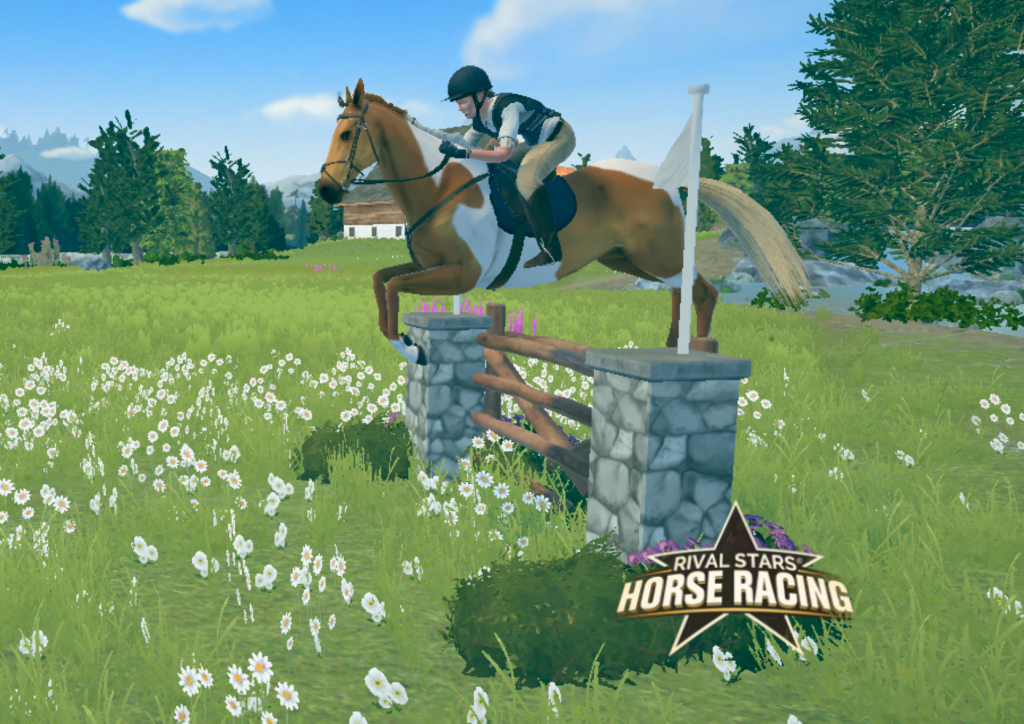
Horse Games Are Unrealistic-But Sometimes I Wish They Weren’t
The allure of virtual equestrianism is strong, offering a fantasy world far removed from the realities of horse ownership. while games like Rival Stars are gaining attention for their in-game economies, they’re not alone in offering a simplified, and often financially rewarding, horse life. Howrse allows players to establish an equestrian center and instantly receive 25,000 Equus, with ongoing income generated through jobs, competitions, and horse sales. Similarly, Horse Isle provides significant bonuses for completing quests and unlocking new areas, alongside the potential for passive income through ranch management. This stands in stark contrast to the financial demands of real-world horse ownership, where expenses consistently outweigh any potential “daily salary.”
You Can Have So Many Ponies!
The practical and ethical concerns surrounding horse hoarding are well-recognized in the equestrian world. For many, responsible ownership means focusing on the well-being of a limited number of animals. However,virtual barns offer a different experience. Players can amass collections of horses, unrestricted by the limitations of space, time, or finances, and often featuring breeds and colors that defy real-world possibilities.
This echoes the simple appeal of classic games like Herd Your Horses, where the core objective was simply to acquire more horses. In these virtual environments, increasing the number of animals translates to increased success, money, and prestige – a far cry from the complexities of managing a single horse’s needs.
Everyone is a Perfect Trainer!
The process of horse training in reality is often incremental, marked by progress and setbacks. Virtual games frequently bypass this nuanced process. Frequently enough, a single action - a button press – can instantly unlock advanced maneuvers like a piaffe.This raises a wistful question: what if achieving confidence over a 3’6″ course were that simple?
The intricacies of real-world riding, such as lead changes and maintaining proper distances, are often absent from these games. Developers face the challenge of realistically animating these complex movements, and frequently enough prioritize gameplay over precise replication. While a real rider relies on subtle aids and body positioning, virtual riding often boils down to a simplified “kick and pull” system. Though undesirable in a real-world context, animated pixels don’t suffer the consequences of insensitive hands or desensitization.
You Have So Much Staff Support!
The success enjoyed within games like Rival Stars is frequently enough supported by a comprehensive team. Players benefit from a virtual staff including property owners, managers, flat racing trainers, cross-country trainers, and even social media managers. This contrasts sharply with the reality for many equestrian professionals, who often juggle multiple responsibilities independently.It’s likely that many real horse trainers simply don’t have the time to engage in virtual horse games alongside their demanding careers.
Shows are Full of Cheering Fans & Sponsors!
Perhaps the most appealing, and unrealistic, aspect of horse video games is the excited support.Virtual competitions are consistently filled with cheering spectators, and sponsorships are readily available, often in exchange for watching advertisements or completing simple tasks. While the prospect of having training time halved isn’t realistic, the desire for increased sponsorship and funding within the equestrian world is very real.If video games can envision such enthusiastic support, it offers a glimmer of hope that reality might follow suit.
Ultimately, no video game can replicate the challenges, dedication, and emotional investment of real horse life. However, these virtual worlds offer a welcome escape – a place where ponies remain healthy, finances are always positive, and success is readily attainable. While we may not be able to convince reality to mirror Rival Stars or Howrse,a rider can always dream.
