
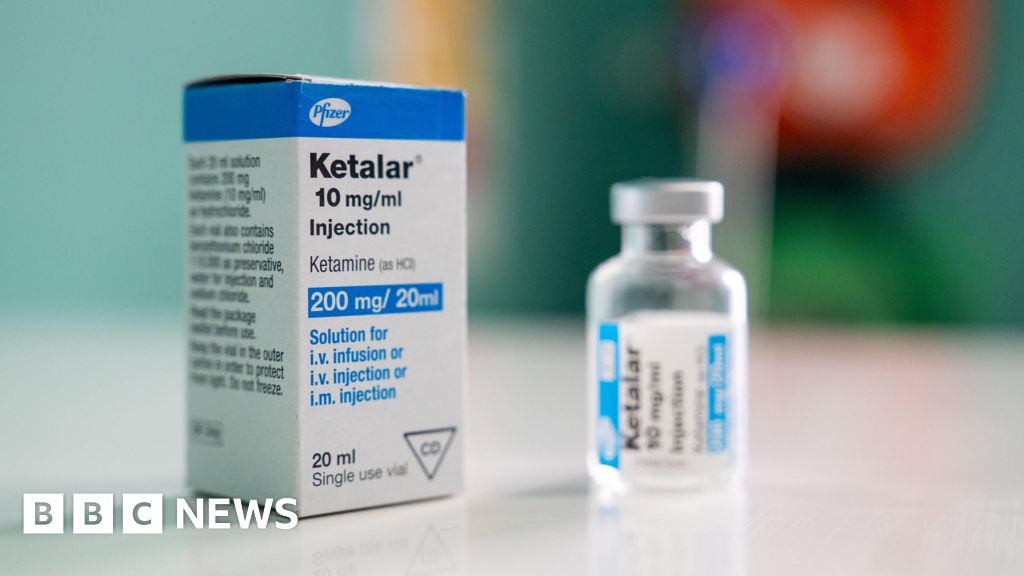
Ketamine’s Potential: Treating Severe Depression in Scotland
New Clinics Explore Alternative to Electroconvulsive Therapy
Scotland is witnessing a growing interest in ketamine, a drug known more for its recreational use. A psychiatrist hopes to establish a clinic offering this Category B drug to treat severe depression, providing an alternative to electroconvulsive therapy (ECT).
Innovative Treatment Approaches
A private clinic in Lanarkshire has started offering ketamine-assisted therapy to those with treatment-resistant depression. This has led to another psychiatrist, Prof. Andrew McIntosh, hoping to open a similar clinic at the Royal Edinburgh Hospital. The aim is to offer ketamine as an alternative to ECT.
Alex, who recently moved to Scotland from the United States, is undergoing ketamine therapy. She explains her experience, stating, “I definitely had a psychedelic experience…You would see images, kind of feel like you’re floating sometimes.”
She believes it made her more receptive to psychotherapy. Ketamine therapy involves intravenous infusions, potentially making psychotherapy more effective.
“Even after taking multiple antidepressants and multiple different treatments, there’s a small number of people who don’t respond very well to any of those treatments, so ketamine gives them additional hope and it’s been shown to be effective.”
—Prof. Andrew McIntosh
According to the National Institute of Mental Health, approximately 21 million adults in the U.S. experienced at least one major depressive episode in 2020 (Source 2020).
Understanding the Risks
Ketamine, while showing promise, carries risks and is not without controversy. It is illegal on the streets and is linked to fatalities when misused. The ketamine used in clinical settings is a purer form administered under controlled conditions, significantly reducing the risks associated with recreational use. The dosage is also much lower.
Future of Ketamine Therapy
The director of the Eulas clinic, Sean Gillen, emphasizes that patients must have a diagnosed condition and be assessed by a psychiatrist. Dr. Anna Ross, from the University of Edinburgh, researches the potential of ketamine for depression treatment, though she believes that psilocybin could be more effective.
Although intravenous ketamine hasn’t been approved, the Royal College of Psychiatrists is set to publish a new report on psychedelics, which will include updated information about ketamine. The Scottish government maintains that decisions on prescribing medicines are the responsibility of clinicians.
