Hong Kong Expands Civil Servant Training and Mainland Exchanges Under Five-Year Plan
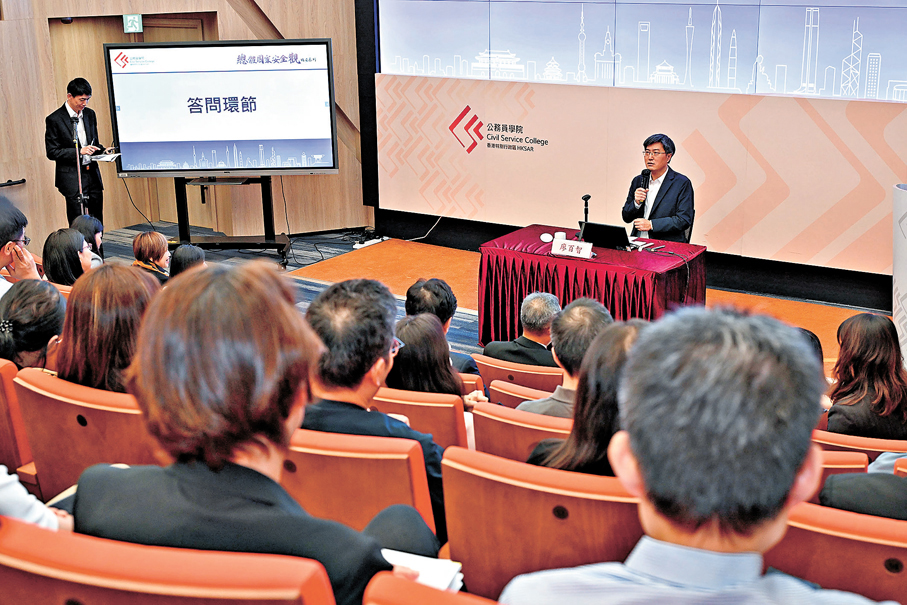
Hong Kong plans to systematically expand civil service training over the next five years, aiming to pair deeper mainland administrative exchanges with stronger international perspective programs, wenweipo.com reported. Director of the Civil Service Bureau Yeung Ho Poi-yan outlined the five-year roadmap, which builds on initial governance updates introduced under the city’s first five-year plan to refine training management.
Civil Service Bureau Expands Mainland Exchange Quotas
The Civil Service Bureau intends to gradually increase mainland exchange quotas over the next five years while flexibly adjusting host cities based on regional development experiences. Since 2023, the Civil Service Academy has resumed sending middle and senior civil servants to nine mainland institutions for national studies courses.
Participants in past exchange batches utilized mainland administrative practices to refine local workflow procedures while accommodating Hong Kong’s emphasis on transparency and fairness. Officials observed that mainland personnel maintain a strong independent study culture, regularly recommending reference materials to newly onboarded staff to build professional capacity.
Balancing National Studies with International Perspective Training
Training initiatives will balance patriotism and national security education with global affairs instruction tailored for mid-to-senior level personnel through targeted seminars. With support from central authorities, multiple cohorts of Hong Kong youth civil servants have taken up two-year postings in United Nations-affiliated agencies, with some tenures extended due to strong performance. The bureau plans to broaden channels for international organizational secondments and overseas institutional training to widen staff exposure.
New Disciplinary Guidelines Set for Fourth Quarter
To clarify behavioral boundaries across departments, the Civil Service Bureau will publish a disciplinary booklet in the fourth quarter of this year using plain language to outline performance standards and real-world cases. Yeung Ho Poi-yan noted that unauthorized schedule adjustments, such as arriving fifteen minutes late and compensating by leaving later without prior approval, remain improper conduct unless formal office flexibility policies apply.