
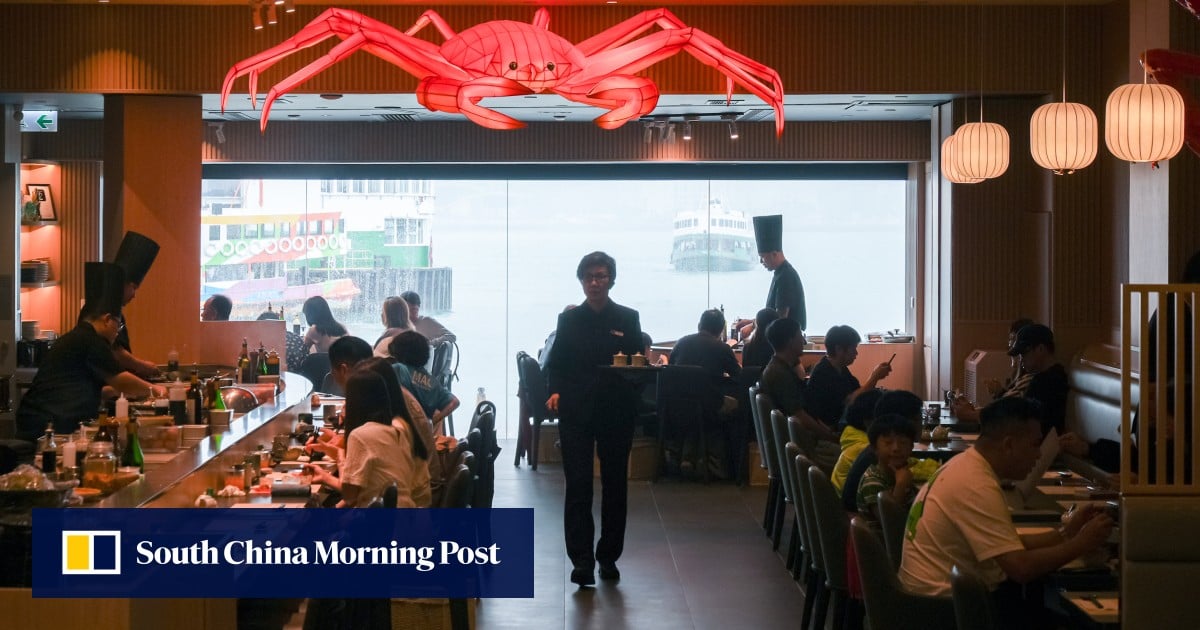
Hong Kong Catering Sector Sees Revenue Drop Over Easter Weekend
Hong Kong’s catering sector saw a 6% to 7% revenue decline during the 2026 Easter break as 1.7 million outbound trips by local residents outweighed a 15% surge in mainland Chinese tourists. This shift signals a structural change in consumption patterns, challenging the city’s traditional reliance on holiday domestic spending.
The numbers are stark. For years, the “Golden Week” or long-weekend surge was a predictable lifeline for the city’s myriad of restaurants and cafes. But the math has changed. When the local population—the consistent, high-frequency spenders—exits the city in droves, the influx of visitors from the mainland cannot bridge the financial gap. We are witnessing a pivot in the urban economy where the “leakage” of local capital to overseas destinations is now a primary headwind for the hospitality industry.
This isn’t just a poor weekend. It is a symptom of a broader behavioral shift.
The Exodus Economy: Why Mainland Growth Isn’t Enough
On the surface, a 15% increase in visitors from mainland China sounds like a victory for the tourism board. Still, the spending profiles of these visitors differ fundamentally from the local demographic. Although tourists may frequent high-profile landmarks and luxury malls, the “neighborhood” catering establishments—the mid-tier eateries and specialty cafes—rely on the daily habits of Hong Kong residents.
When 1.7 million people leave the city, they capture their discretionary spending to Tokyo, Bangkok, or London. This creates a vacuum in the local service economy. The result is a precarious environment for business owners who are facing rising rents and labor costs while their primary customer base is physically absent during peak earning windows.
To understand the scale of this impact, we must look at the historical trajectory of the Census and Statistics Department data, which has increasingly shown a volatility in domestic consumption following the full reopening of international borders. The “revenge travel” phenomenon has evolved into a sustained trend of outbound migration during holidays.
“The catering industry is facing a paradox where the city is fuller of tourists, yet the registers in local districts are emptier. We are seeing a decoupling of tourism growth and sectoral revenue.”
For many restaurant owners, this volatility makes traditional budgeting impossible. To survive, businesses are now forced to pivot their marketing strategies, seeking ways to attract the “transient” tourist spend while trying to incentivize locals to stay. This instability often leads to a desperate need for specialized business consultants who can help restructure overhead costs to survive these lean holiday periods.
Structural Vulnerabilities in the Hospitality Chain
The problem extends beyond the dining table. The ripple effect touches everything from seafood wholesalers in Aberdeen to organic produce suppliers in the Modern Territories. When a restaurant sees a 7% drop in revenue over a critical window, they reduce their orders. This creates a contraction across the entire supply chain.
the reliance on mainland visitors is a risky gamble. Geopolitical tensions or changes in visa policies can evaporate that 15% growth overnight. The local resident, conversely, is a stable asset. Losing them to outbound travel is a strategic failure of the local “staycation” economy.
The legal and contractual pressures are also mounting. Many lease agreements in Hong Kong’s prime districts are predicated on high-turnover assumptions. As revenues dip, the risk of default increases. Business owners are increasingly seeking commercial lease attorneys to negotiate rent relief or restructure contracts to avoid total insolvency.
Comparative Impact Analysis: 2026 Easter Window
| Metric | Trend/Value | Economic Impact |
|---|---|---|
| Outbound Trips | 1.7 Million | High Capital Outflow (Leakage) |
| Mainland Arrivals | +15% | Moderate Offset (Localized Spending) |
| Catering Revenue | -6% to -7% | Reduced Cash Flow for SMEs |
| Local Spending | Significant Drop | Supply Chain Contraction |
The Urban Shift: From Hub to Transit Point
There is a deeper, more concerning narrative here. Hong Kong is risking a transition from being a destination in its own right to becoming a transit point. If the local population views the city merely as a place to live and operate, rather than a place to experience during holidays, the cultural fabric of the city’s dining scene will erode.
The Associated Press has frequently highlighted the shifting dynamics of East Asian urban centers, where the cost of living often pushes the middle class to seek affordable luxury abroad. In Hong Kong, the disparity between the cost of a high-end meal at home versus a similar experience in Southeast Asia is a primary driver of this exodus.
Local officials have attempted to stimulate domestic spending through “consumption vouchers,” but these are temporary bandages on a structural wound. The real solution requires a fundamental reimagining of the city’s value proposition to its own citizens.
“We cannot rely on the goodwill of visitors to sustain a local industry. If the residents of Hong Kong find more value in spending their Easter in Osaka than in Central, the city’s catering sector will continue to bleed regardless of how many tourists arrive.”
This sentiment is echoed by urban planners who argue that the city needs more “experiential” infrastructure—events and attractions that compete with the allure of international travel. Without this, the catering sector will remain at the mercy of the airport’s departure board.
Navigating the New Economic Reality
For the business owner, the “New Normal” means diversifying revenue streams. We are seeing a rise in “ghost kitchens” and delivery-centric models that aim to capture the remaining domestic market without the overhead of a massive dining room that sits empty during the Easter break.
However, the transition is rarely smooth. Navigating the regulatory requirements for food safety and zoning in these new models is a logistical nightmare. Many are turning to compliance experts to ensure their pivot doesn’t result in heavy fines from the Food and Environmental Hygiene Department.
The long-term outlook depends on whether the city can recapture the imagination of its own people. If the trend of outbound travel continues to accelerate, the 6-7% drop seen this Easter will not be an anomaly; it will be the baseline.
The fragility of the current model is an open secret in the corridors of the city’s financial districts. The reliance on a specific demographic of tourist is a gamble that the city’s SMEs can no longer afford to take. As the gap between arrivals and departures widens, the need for professional intervention—from financial restructuring to strategic rebranding—becomes a matter of survival.
The city’s vibrancy is not measured by the number of passports stamped at the border, but by the activity in its streets. When the locals leave, the soul of the city’s commerce goes with them. For those struggling to keep their doors open in this shifting landscape, finding verified, experienced operational strategists through the World Today News Directory is no longer a luxury—it is the only way to ensure that the next holiday window isn’t the last one.