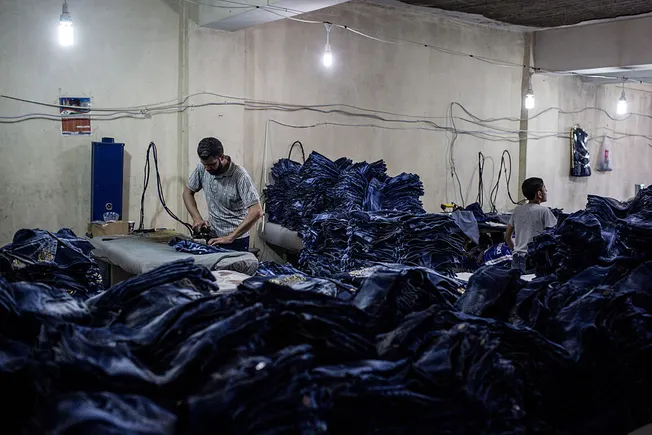
H&M and Inditex Garment Manufacturer Accused of Union Squashing
Major international fashion retailers including H&M, Inditex, and PVH face fresh supply chain scrutiny after labor advocates publicly accused a key garment manufacturer of systematic union-squashing practices. The allegations, detailed in recent reports covered by ESG Dive, expose deep vulnerabilities in corporate social responsibility frameworks across emerging manufacturing hubs, threatening quarterly operating margins and forcing brands to reevaluate their supplier code of conduct compliance.
Global apparel conglomerates operate on razor-thin inventory cycles, but regulatory non-compliance introduces catastrophic operational risk. When factory floor disputes escalate into international labor rights scandals, the financial fallout hits procurement departments almost immediately. Brand equity diminishes, and institutional investors re-price equity risk premiums to account for potential regulatory fines and boycotts.
Supply Chain Exposure for H&M, Inditex, and PVH
Sourcing apparel at scale requires robust oversight mechanisms. According to investigations highlighted by ESG Dive, labor organizers operating near the manufacturer’s facilities experienced systematic intimidation and retaliatory dismissals designed to thwart collective bargaining efforts. For multinational parent companies committed to strict environmental, social, and governance mandates, these revelations complicate upcoming earnings calls and challenge adherence to modern supply chain transparency laws.
Operating margins across the retail sector remain sensitive to supply chain disruptions. When labor unrest halts production lines, inventory turnover ratios deteriorate. Brands must absorb delayed shipments or scramble to reallocate purchase orders to alternative factories, driving up cost-of-goods-sold metrics. To mitigate these legal and financial exposures, enterprise procurement divisions increasingly rely on corporate compliance auditing services to vet tier-two and tier-three suppliers before signing multi-year production agreements.
Financial and ESG Implications for Institutional Portfolios
Portfolio managers tracking consumer discretionary equities are taking a closer look at how fashion giants manage sub-tier vendor relationships. Inditex, H&M, and PVH maintain complex web-like supply chains spanning multiple continents, making real-time oversight difficult without advanced digital ledger systems. ESG rating agencies penalize parent corporations immediately when human rights violations surface within their authorized manufacturing network.
Capital allocators no longer view labor disputes as isolated local events. They treat them as core operational failures that impact long-term enterprise valuation. Shareholder resolutions demanding stricter independent oversight of offshore factories are proliferating ahead of upcoming proxy seasons. Companies caught flat-footed by supplier union-busting scandals frequently retain specialized crisis communications and labor law advisory firms to manage stakeholder communications and shield share prices from sharp drawdowns.
Mitigating Vendor Risk in Global Retail
Addressing systemic labor abuses demands structural changes to how fashion brands contract manufacturing capacity. Traditional auditing often relies on pre-announced factory visits, which fail to capture day-to-day violations on the production floor. Modern procurement strategies incorporate worker-driven social responsibility models that empower local unions to report infractions directly to brand compliance officers without fear of employer retaliation.
As regulatory scrutiny tightens across the European Union and North American import markets, compliance failures carry steep financial penalties. Retail executives navigating these complex cross-border labor frameworks routinely partner with expert international trade consultancies found via the World Today News Directory to secure resilient, ethical supply chains and protect their bottom lines against sudden reputational shocks.