
Single-Injection Gene Therapy Shows Promise in Protecting Infants from HIV
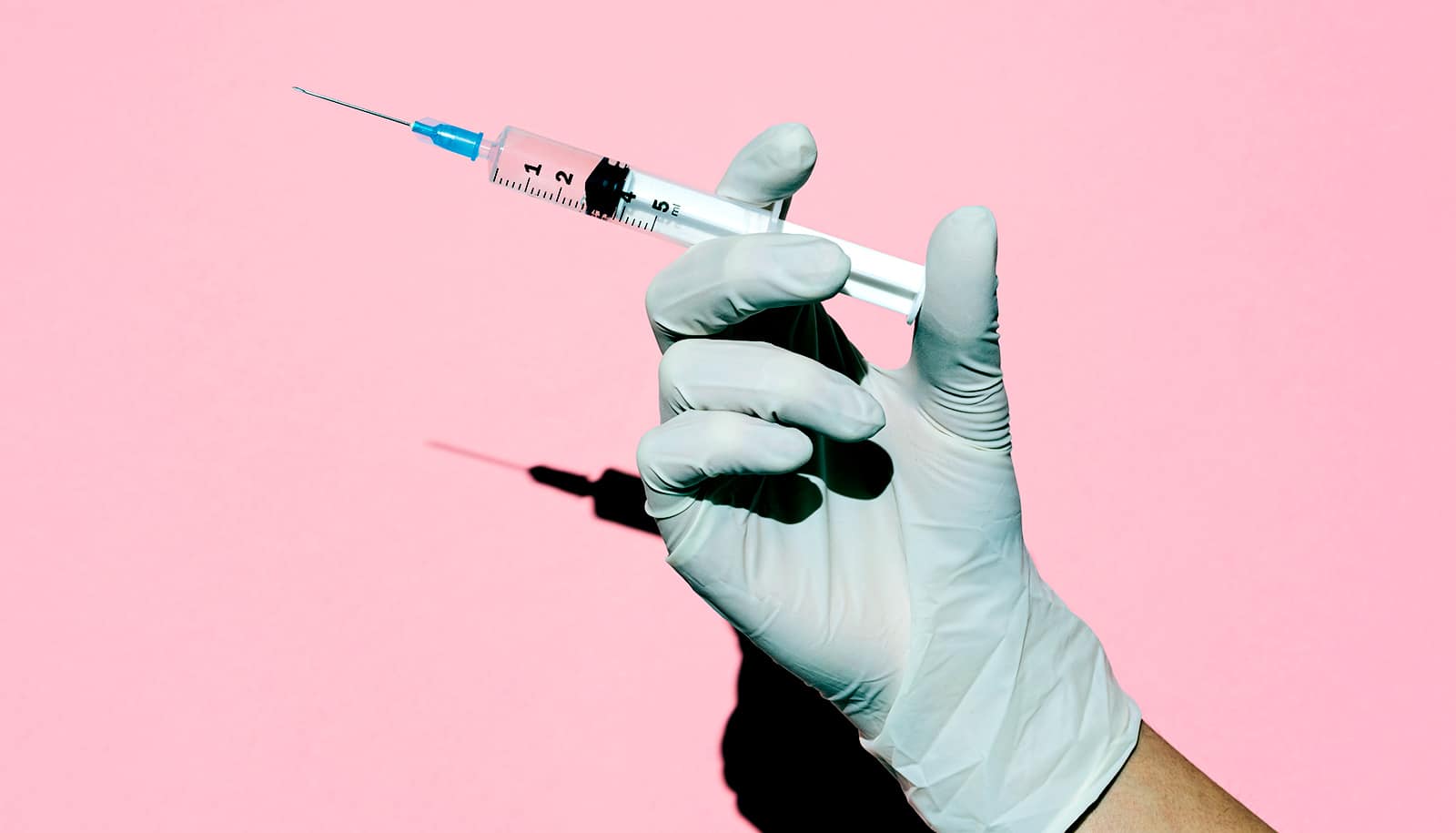
New Orleans, LA – A novel gene therapy administered as a single injection at birth may provide years of protection against human immunodeficiency virus (HIV), according to a new study. The research, conducted by scientists at Tulane and California National Primate Research Centers, highlights a critical window of chance for intervention against pediatric HIV infections, particularly in regions with high prevalence rates.
The Critical Window for Immune Tolerance
The study centers on the concept of immune tolerance,wich is heightened in the first weeks of life. This period presents an ideal time to deliver gene therapies that might otherwise be rejected by a more developed immune system. Researchers found that early intervention significantly improved the therapy’s effectiveness.
“nearly 300 children are infected with HIV each day,” stated Amir Ardeshir, associate professor of microbiology and immunology at the Tulane National Primate Research Center, and lead author of the study. “This approach could help protect newborns in high-risk areas during the most vulnerable period of their lives.”
How the Gene Therapy Works
The gene therapy works by programming cells to continuously produce broadly neutralizing antibodies (bNAbs), which combat HIV. The treatment utilizes an adeno-associated virus (AAV) – a harmless virus – to deliver the genetic code to muscle cells. Thes muscle cells then function as “micro factories,” consistently producing the HIV-fighting antibodies.
Pro Tip: AAVs are commonly used in gene therapy due to their ability to efficiently deliver genetic material without causing illness.
The timing of the treatment proved crucial. Nonhuman primates receiving the therapy within their first month of life remained protected from infection for at least three years without needing booster shots. This suggests potential coverage extending into adolescence for human infants. In contrast, those treated between eight and twelve weeks exhibited a less receptive immune system, diminishing the treatment’s efficacy.
Addressing a Global Health Challenge
More than 100,000 children acquire HIV annually, primarily through mother-to-child transmission during birth and breastfeeding. While antiretroviral treatments effectively suppress the virus, adherence to these regimens and consistent access to healthcare often decline after childbirth, especially in resource-limited settings. This new therapy offers a potential solution to this challenge.
“This is a one-and-done treatment that fits the critical time when these mothers with HIV in resource-limited areas are most likely to see a doctor,” ardeshir explained. “As long as the treatment is delivered close to birth, the baby’s immune system will accept it and believe it’s part of itself.”
Key Study Findings
| Treatment Timing | Protection Duration | Immune Response |
|---|---|---|
| Within First Month | At least 3 years | High bNAb expression, successful prevention of infection |
| 8-12 Weeks | Reduced | Anti-drug antibody production, diminished treatment effectiveness |
Researchers also discovered that exposing fetuses to the antibodies before birth enhanced the acceptance of the gene therapy in older infants, mitigating immune rejection. However, a single injection at birth remained the most practical and cost-effective approach.
Did You Know?
Broadly neutralizing antibodies (bNAbs) are a promising area of HIV research, capable of targeting multiple strains of the virus.
Future Directions and Considerations
While the results are promising, questions remain regarding the therapy’s translation to human infants, who may exhibit different responses to AAV-delivered treatments. The study utilized a single strain of simian-human immunodeficiency virus (SHIV), and the effectiveness against the diverse range of HIV strains remains to be fully evaluated.
If successful in humans, this treatment could significantly reduce mother-to-child HIV transmission rates, particularly in sub-Saharan Africa, where 90% of pediatric HIV cases occur. The researchers also suggest the potential for adapting this approach to combat other infectious diseases, such as malaria.
“Nothing like this was possible to achieve even 10 years ago,” Ardeshir concluded. “This was a huge result,and now we have all the ingredients to take on HIV.”
The research was published in Nature.
The Ongoing Fight Against HIV/AIDS
The global fight against HIV/AIDS has seen significant progress since the epidemic began in the 1980s. Antiretroviral therapy (ART) has transformed HIV from a death sentence into a manageable chronic condition. Though, challenges remain, including access to treatment, drug resistance, and the ongoing search for a cure. Gene therapy represents a cutting-edge approach with the potential to revolutionize HIV prevention and treatment. The development of long-acting therapies,like the one described in this article,is a key area of focus for researchers worldwide.
Frequently Asked Questions about HIV Gene Therapy
- What is gene therapy for HIV? Gene therapy for HIV involves using genetic engineering techniques to modify cells to fight the virus, often by producing antibodies.
- How does this gene therapy differ from customary HIV treatments? Unlike antiretroviral drugs that require ongoing administration, this gene therapy aims for a one-time treatment providing long-term protection.
- Is this therapy currently available to the public? No, this therapy is still in the research phase and is not yet available for widespread use.
- What are the potential risks associated with gene therapy? Potential risks include immune reactions, off-target effects, and the possibility of the therapy not being effective.
- Could this therapy be used to prevent other infectious diseases? Researchers believe this approach could be adapted to protect against other infectious diseases,such as malaria.
What are your thoughts on the potential of gene therapy to eradicate HIV? Do you believe this approach could be a game-changer in global health?
We hope you found this article insightful. Please share it with your network, leave a comment below, and subscribe to our newsletter for more groundbreaking news and analysis.
