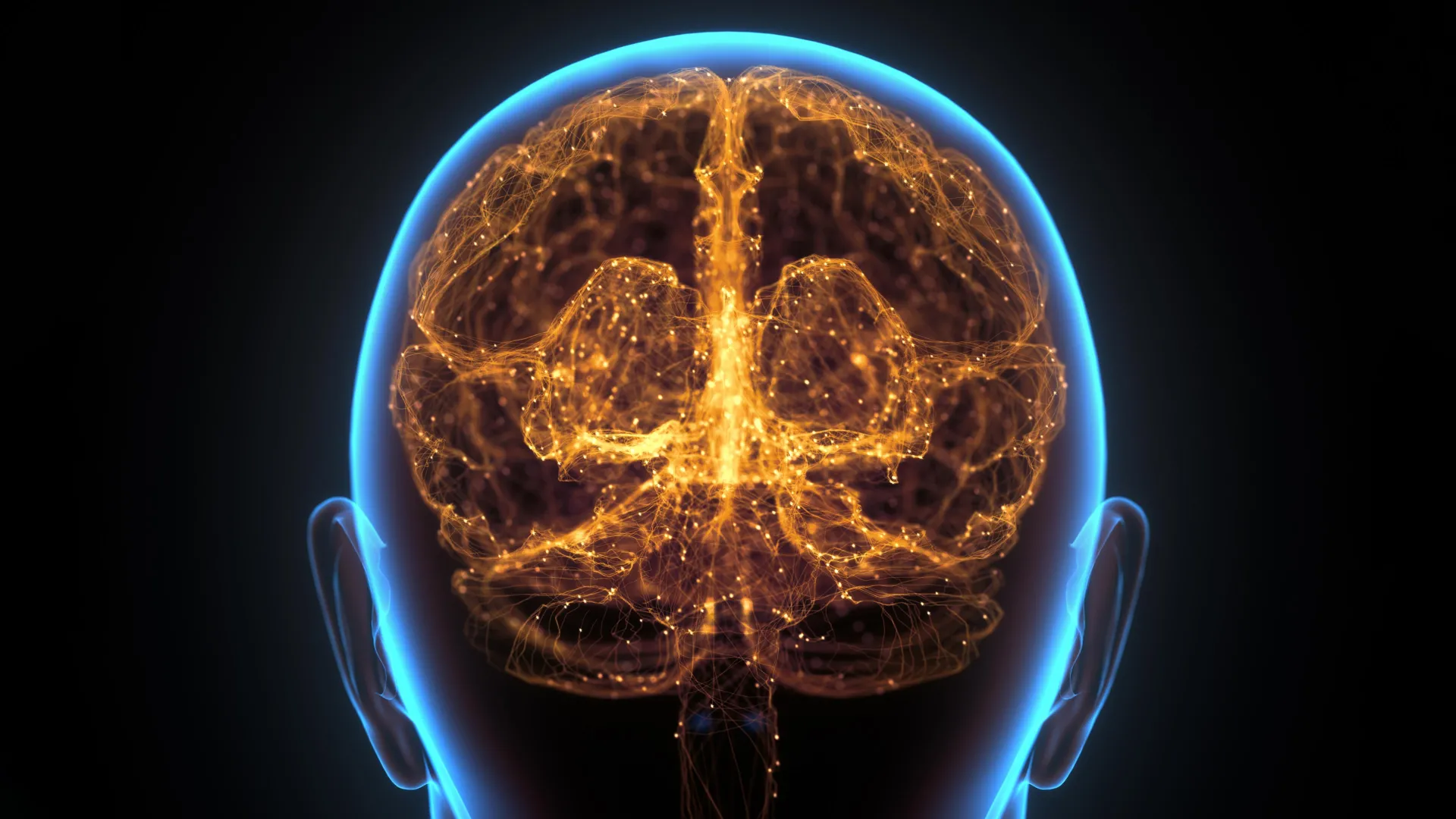
Hidden Skull Immune Organ Discovered and Its Role in Fighting Brain Cancer
Researchers at Washington University School of Medicine in St. Louis have identified lymph node-like immune structures hidden inside the skull bone marrow of mice, uncovering a specialized rapid-response network that communicates directly with the brain during aggressive cancers like glioblastoma. Published August 19 in the journal Nature and reported by ScienceDaily, the study shatters the decades-old dogma that the brain operates entirely isolated from the peripheral immune system.
Challenging Decades of Neuroimmunology Dogma
For decades, standard medical textbooks taught that the central nervous system lacked direct immunological surveillance. That framework began shifting when Jonathan Kipnis, the Alan A. and Edith L. Wolff Distinguished Professor of Pathology & Immunology and a BJC Investigator at WashU Medicine, and his laboratory discovered lymphatic vessels in the dura mater, the outer layer surrounding the brain. More recent investigations by the team revealed tiny physical channels bridging the skull, dura, and brain tissue, establishing a direct anatomical route for immune cells and cellular waste to travel.
Anatomy of the Skull’s Hidden Immune Hubs
In the latest experiments detailed in Nature, researchers traced proteins moving from the brain through these channels straight into the skull bone marrow. Inside this marrow, they observed structured immune hubs that resemble lymph nodes. These microenvironments house T follicular helper cells that assist B cells in producing high volumes of antibodies to combat pathology.
“We have never seen such structures in healthy bone marrow before,” said Jang Hyun Park, a postdoctoral research fellow in the Kipnis lab and first author of the study. “It is an exciting discovery that points out that a complex brain requires its own specialized immune structures to defend it.”
Impact on Glioblastoma Progression and Survival
To evaluate the clinical relevance of these anatomical findings, the research team utilized a murine model of glioblastoma, an aggressive and typically fatal form of brain cancer. When investigators chemically disrupted the skull immune hubs, tumor progression accelerated markedly compared to control subjects with intact hubs. Impairing these local niches also compromised overall survival, confirming that the skull’s bone marrow plays a vital functional role in cancer defense pathways.
Translating Preclinical Discoveries to Human Oncology
This discovery changes the baseline understanding of neuroimmunology and points toward novel therapeutic strategies for managing complex neurological conditions, ranging from malignant gliomas to neurodegenerative disorders like Alzheimer’s disease. Translating these preclinical insights into human oncology protocols requires precise diagnostic imaging and specialized neurosurgical management.
Looking Ahead: Harnessing the Localized Niche
Future translational investigations will focus on whether boosting the activity of these skull-based immune hubs can enhance the efficacy of existing immunotherapeutic agents. As clinical researchers work to harness this localized niche, integrating multidisciplinary oversight remains vital for patient outcomes.
Related reading