
Hidden 2027 Price Hikes Inflation Data Won’t Show: Shrinkflation, Skimpflation and Fees Persist
New Zealand households face a persistent disconnect between official inflation forecasts and their daily purchasing power as companies shift to non-transparent pricing strategies heading into 2027.
The Reserve Bank forecasts that inflation will drop to approximately 2% by the latter stages of 2027, placing it firmly within the institution’s 1% to 3% target band, according to Stuff.
While this projection suggests a cooling in the headline Consumer Price Index, it does not imply a return to previous price levels. Instead, the data indicates that price increases will simply decelerate, maintaining the higher cost base established during recent years of volatility.
This reality leaves many consumers feeling financially stagnant despite official data suggesting that wage growth has kept pace with inflation. The persistent gap between perceived financial health and economic metrics often stems from businesses utilizing subtle tactics to protect profit margins without triggering immediate consumer resistance.
Retailers and service providers are increasingly relying on methods that decouple price hikes from the primary unit of measure, as reported by Denver7 and KPAX. These strategies, often categorized as shrinkflation and skimpflation, allow firms to adjust their bottom lines while avoiding the scrutiny associated with overt price increases.
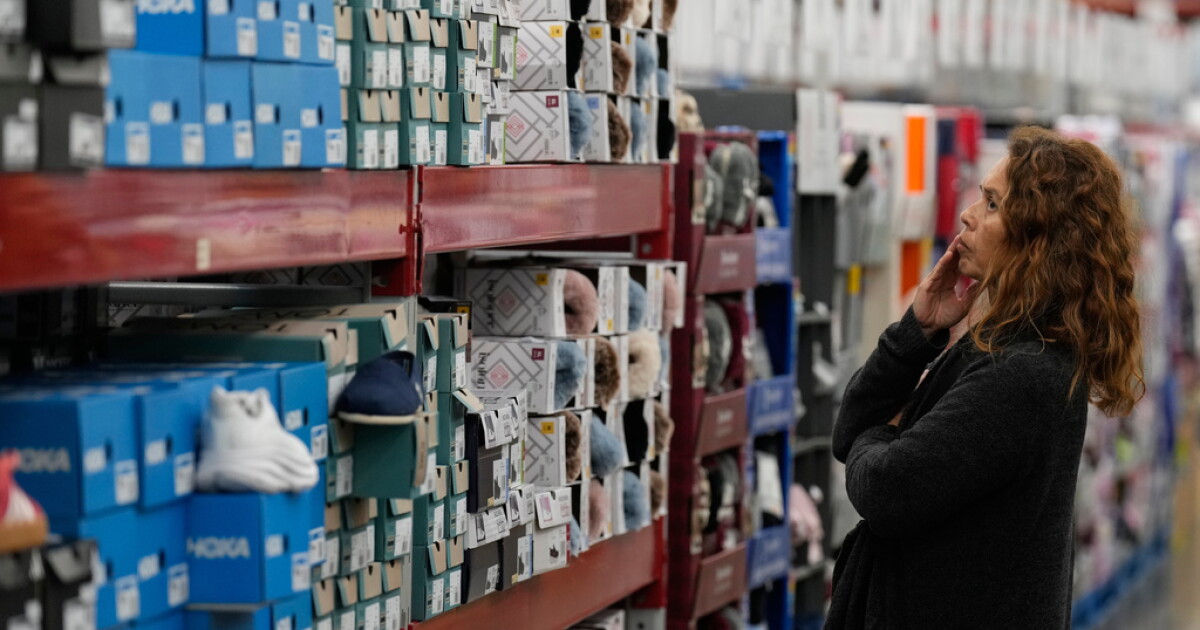
“Most shoppers are not going to notice if they lower the amount you get in the bag,” Kyle James of ConsumerAffairs told Denver7 and KPAX. “But they are going to notice if they raise the price even 50 cents or a dollar.”
| Strategy | Operational Impact |
|---|---|
| Shrinkflation | Reduced product volume at static price points |
| Skimpflation | Lower-quality service or reduced amenities |
| Subscription Creep | Incremental, recurring fee adjustments |
Beyond physical goods, the service sector has increasingly adopted skimpflation to manage labor costs and operational overhead. Hotels and hospitality businesses have reduced housekeeping frequency and trimmed staffing levels while maintaining historical room rates. This shift effectively raises the real price of the service by delivering less value per dollar spent.
Retail experts also point to the spread of convenience fees as a major driver of hidden inflation. Food and grocery delivery platforms frequently layer on service charges that, when aggregated, represent a substantial increase in the final invoice.
“Food is the biggest one with delivery fees and extra fees just for the convenience of takeout or pre-prepared meals,” retail expert Trae Bodge told Denver7 and KPAX. She suggests that consumers mitigate these costs by prioritizing self-service options where possible.
Subscription services represent another area where incremental price hikes often escape notice. Companies frequently adjust monthly billing by one or two dollars, creating a cumulative impact that can reach $100 annually per service, according to ConsumerAffairs. These small, periodic increases are designed to remain below the threshold of consumer intervention.
The Reserve Bank of New Zealand, established in 1934 and wholly government-owned since 1936, became the world’s first central bank to adopt formal inflation targeting in 1990. That regime, which underpins the 1% to 3% target band referenced in current forecasts, shifted monetary policy independence to the bank and was later emulated globally.
A 2026 independent review found the institution was too slow to raise rates during the pandemic, contributing to the record-high inflation that established the elevated price base households now face.
Consumers are advised to view constant sales promotions with skepticism. Retailers often utilize “sale” pricing that mirrors standard market rates, obscuring the true cost of goods. Discerning the actual unit price and evaluating the necessity of service fees remains the primary defense for households attempting to stabilize their budgets as 2027 approaches.
Related reading
- Bitcoin Falls Below $60,000 to Lowest Since July Amid Market Selloff
- IEA Identifies Venezuela as Key to Offset Persian Gulf Oil Disruptions
- Inflation Since October 2024 Adds About $4,720 a Year to Household Costs (daybreakwire.com)
- Amazon Slashes Kindle Paperwhite (2024) Price for Black Friday Sale (archyde.com)